
Introduction
Social media has transformed the way people communicate, express their thoughts, and interact with friends. From sharing photographs to publishing short videos, modern platforms provide countless opportunities for digital interaction. However, not every online conversation needs to involve publicly identifying the person sending a message. Many internet users enjoy communicating through anonymous platforms because they offer a different experience from traditional social networking applications. This growing interest in private and anonymous communication has helped platforms such as NGL attract attention among younger internet audiences.
NGL is associated with anonymous question-and-answer messaging, allowing users to receive messages and respond to them through social media. Its simple concept makes it interesting for people who want to discover what their friends think, answer unexpected questions, or encourage conversations without requiring every sender to reveal their identity. However, understanding how the platform operates, what features it provides, and what privacy considerations users should remember is important before using it.
This article explores the purpose, features, advantages, limitations, and broader digital environment surrounding anonymous messaging. It also explains how users can approach these services responsibly while maintaining a healthy relationship with social media.
1. What Is NGL?
NGL is an anonymous messaging platform designed to encourage social interaction through questions and messages. The name is commonly associated with the internet abbreviation “Not Gonna Lie,” which is frequently used in casual online conversations. The platform became popular because it introduced a straightforward way for people to invite questions from their social media followers without requiring senders to publicly identify themselves.
Unlike conventional messaging applications, where conversations generally happen between recognizable accounts, anonymous messaging introduces an additional layer of mystery. Users can share a link with their social media audience and invite people to send messages. They can then view incoming submissions and decide which ones they want to answer publicly.
The concept appeals to people who enjoy interactive social experiences. Friends can ask interesting questions, share opinions, or participate in lighthearted conversations. Nevertheless, anonymity does not automatically guarantee complete privacy or security. Users should understand the platform’s current policies and avoid sharing personal information through anonymous messaging services.
2. How Does NGL Work?
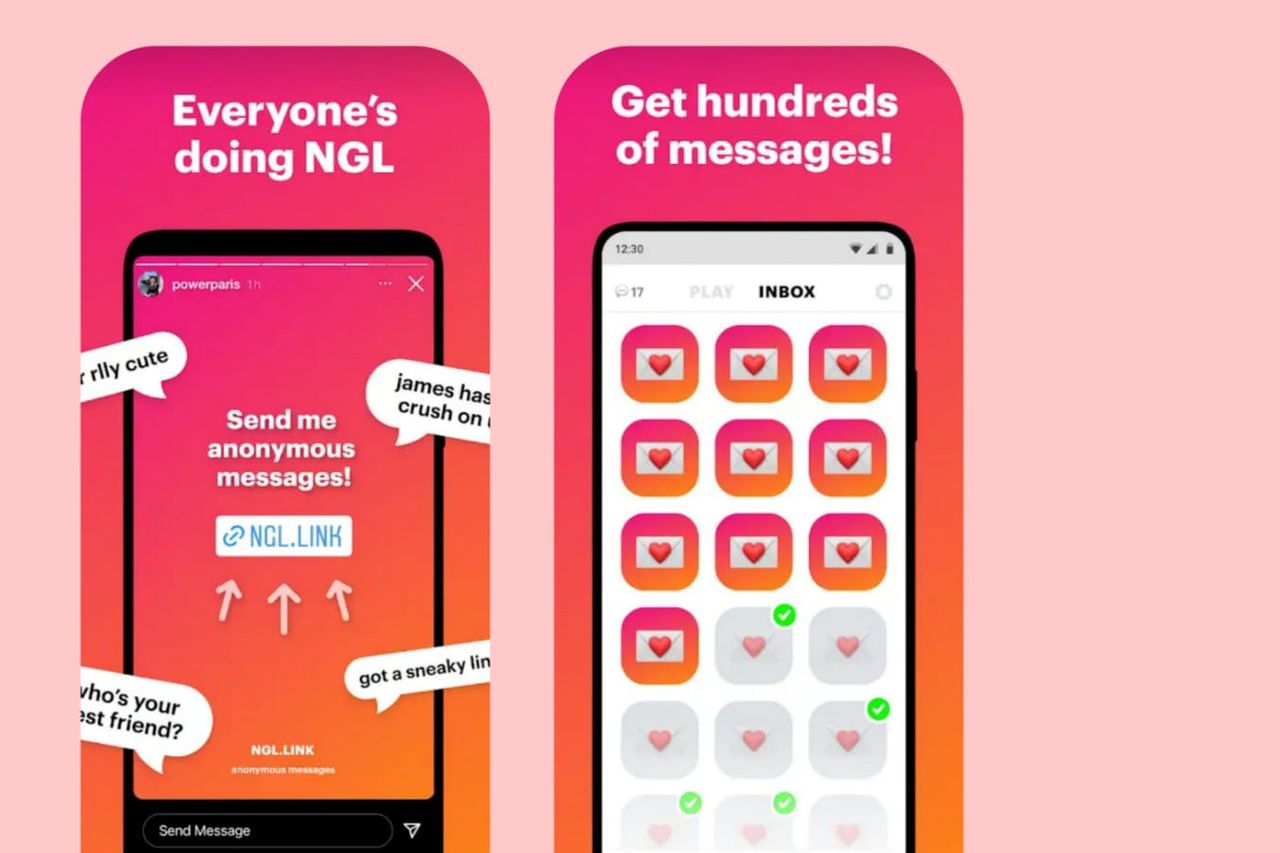
The basic experience revolves around creating a messaging link and sharing it with other people. After setting up an account, users can generate a link that allows others to submit questions or messages. This link can be distributed through social networking platforms, including Instagram Stories and other supported sharing options.
When someone opens the shared link, they can submit a message through the available interface. Depending on the platform’s current features and settings, the account owner may receive the submission and choose how to respond. Some users share selected responses through their social media stories, creating an ongoing conversation with their followers.
The process is designed to be accessible, even for people who are not particularly familiar with complicated digital tools. Its simple structure makes participation convenient. However, users should remember that anonymous messaging does not mean that every message is automatically trustworthy. Unwanted submissions, misleading statements, and inappropriate communication can occur on any interactive online platform.
3. Important Features of the Platform
One reason anonymous messaging services attract attention is their relatively simple design. Instead of requiring users to learn numerous complicated functions, these platforms focus on a limited number of activities that support communication.
Some commonly associated features include:
Anonymous Question Sharing
The central feature allows users to receive questions without displaying the sender’s public identity. This creates opportunities for conversations that might not happen through ordinary direct messaging.
Social Media Integration
Sharing messaging links through social networking platforms makes it easier to reach existing followers. Users can invite friends to participate without asking everyone to create a separate account on the same platform.
Interactive Responses
Users can select messages and respond to them through supported sharing features. This creates an interactive experience in which followers can participate in conversations and learn more about one another.
Simple User Experience
An uncomplicated interface can make anonymous messaging approachable. Users generally want to access their submissions quickly rather than navigate unnecessary menus.
Privacy-Related Settings
Privacy and safety controls are important parts of anonymous communication. Available controls may change over time, so users should review the latest settings and policies before relying on them.
4. Why Are Anonymous Messaging Platforms Popular?

Online anonymity has become an interesting part of modern digital culture. People sometimes hesitate to ask questions or express opinions when their identities are immediately visible. Anonymous messaging provides an alternative that can make certain interactions feel more relaxed.
For example, someone might want to ask a friend about their favourite memories, personal interests, or future plans without making the conversation feel formal. Others may simply enjoy receiving unexpected questions from their social media audience.
Another reason behind this popularity is the entertainment factor. Users often share interesting or humorous messages with their followers, encouraging additional participation. The possibility of receiving an unexpected question makes the experience feel different from ordinary social media browsing.
NGL also reflects a broader interest in interactive digital experiences. Modern audiences increasingly enjoy platforms that encourage participation instead of simply allowing people to consume content. However, popularity should not be confused with safety. Anonymous communication requires responsible behaviour from both senders and recipients.
5. Benefits of Using Anonymous Messaging
Anonymous messaging can provide several communication benefits when used appropriately. Its main advantage is that it introduces another way for people to interact with friends and online communities.
One benefit is the opportunity to encourage open conversations. Some individuals find it easier to ask questions when they do not have to reveal their identity immediately. This can make casual discussions more interesting and encourage participation from people who usually remain silent on social media.
Another advantage is entertainment. Receiving unexpected questions can create amusing moments, particularly when friends participate in a shared activity. Users can also discover which topics interest their followers by observing the types of questions they receive.
Additionally, anonymous messaging can support creativity. People may use questions as inspiration for short videos, story posts, discussions, or personal reflections. It provides a simple way to turn ordinary social media activity into a more interactive experience.
Nevertheless, these advantages depend on responsible usage. Anonymous communication should never become an excuse for harassment, threats, bullying, or spreading harmful information.
6. Understanding Privacy and Security
Privacy is one of the most important considerations when using any anonymous messaging platform. Many people assume that anonymous means completely untraceable, but this assumption can create unnecessary risks.
Digital platforms may collect technical information for security, analytics, troubleshooting, and service improvement. Their exact data practices depend on their privacy policies, applicable laws, and current product design. Therefore, users should not assume that their messages or activities are completely invisible to the service provider.
It is also important to understand that anonymity can create opportunities for misuse. Some individuals may send offensive messages, spread rumours, or attempt to manipulate others through misleading communication. Users should avoid responding emotionally to suspicious submissions.
Before using NGL, reviewing its privacy policy, terms of service, and available safety controls is a sensible step. People should also avoid including sensitive information such as passwords, financial details, private photographs, or personal identification information in anonymous conversations.
7. Potential Risks and Limitations
Although anonymous messaging can be entertaining, it also comes with limitations that users should understand. The absence of visible sender identities may make it difficult to determine whether a message comes from a trusted friend, an unfamiliar person, or someone attempting to cause trouble.
Cyberbullying is another concern. Anonymous communication can sometimes encourage people to send hurtful comments that they might avoid making publicly. Repeated negative messages can affect confidence, emotional well-being, and relationships.
Another limitation involves misleading expectations. Some users may believe that every message represents an honest opinion from someone they know. However, anonymous submissions can contain jokes, exaggerations, false statements, or deliberately provocative comments.
Paid features and promotional offerings can also affect the overall experience. Users should examine subscription information carefully, understand recurring payment conditions, and avoid purchasing anything they do not need.
Responsible use requires recognizing that entertainment should never come at the expense of personal safety or emotional well-being.
8. NGL and Its Relationship With Social Media
Social media platforms have gradually moved beyond simple content sharing. Modern users expect opportunities to communicate, react, participate, and express themselves through different formats.
Anonymous question platforms fit into this changing environment because they connect private submissions with public social media interactions. A person might receive a question privately and then publish an answer for their followers. This creates a communication cycle involving both individual participation and community engagement.
NGL demonstrates how a relatively straightforward idea can become part of a larger social media routine. Users can turn questions into conversations, create interactive stories, and encourage friends to participate in discussions.
This relationship also highlights the importance of digital responsibility. Sharing an anonymous message publicly can sometimes expose private information or embarrass another person. Before posting a response, users should consider whether it could harm someone’s reputation or reveal information that should remain confidential.
Social media becomes more valuable when people balance creativity, entertainment, privacy, and respect.
9. How to Use Anonymous Messaging Responsibly
Responsible communication is essential for creating a positive online experience. Users should approach anonymous messaging with realistic expectations and understand that not every submission deserves a response.
The first step is maintaining personal privacy. Avoid sharing sensitive information, private photographs, financial details, or confidential conversations. Even when a platform offers anonymous interactions, information shared online may be copied or distributed beyond its original audience.
The second step is setting boundaries. Users should not feel pressured to answer every question. If a message feels uncomfortable, inappropriate, or threatening, ignoring it is a reasonable response. Available blocking, reporting, and moderation features should be used when necessary.
Another important practice is avoiding harmful participation. Sending insulting messages, spreading rumours, or attempting to identify anonymous users can damage relationships and create unnecessary conflict.
People should also remember that online feedback does not determine their personal value. Anonymous opinions may not be accurate, constructive, or sincere. Maintaining perspective helps users enjoy social platforms without allowing negative interactions to dominate their experiences.
10. Who Can Benefit From Anonymous Question Platforms?
Anonymous question platforms may appeal to different groups of internet users, depending on their communication preferences.
Students and young adults may enjoy using these services to exchange lighthearted questions with friends. Social media creators may use interactive questions to encourage audience participation and develop content ideas. People who enjoy online communities may also find anonymous submissions useful for starting discussions.
However, suitability depends on individual maturity, privacy awareness, and the ability to handle unwanted communication. Younger users may require additional guidance about online boundaries, digital safety, and appropriate interactions.
Parents and guardians can help younger individuals understand that anonymous platforms are not automatically safe simply because personal identities are hidden. Open conversations about cyberbullying, privacy, and responsible technology use can make a meaningful difference.
Ultimately, these services are most useful when they support positive communication rather than creating pressure to attract attention or receive constant feedback.
11. Alternatives to Traditional Anonymous Communication
Anonymous messaging is only one approach to online interaction. Different digital services offer different communication experiences, and users should select platforms according to their requirements.
Traditional messaging applications are suitable for conversations where participants know one another. Community discussion platforms provide spaces for people to exchange opinions around shared interests. Question-and-answer websites allow users to explore topics, seek information, and learn from different perspectives.
Social media question stickers and polling features also provide interactive alternatives. These options can encourage participation without necessarily requiring users to adopt a separate anonymous messaging service.
The best choice depends on the intended purpose. Someone looking for casual entertainment may prefer interactive social media features, while someone interested in meaningful discussions may benefit from moderated communities.
NGL occupies a recognizable position within this wider environment because it focuses on anonymous questions and social interaction. However, users should compare privacy practices, moderation systems, and available features before choosing any service.
12. The Future of Anonymous Messaging
Digital communication continues to evolve as people develop new expectations around privacy, convenience, and interaction. Anonymous messaging may remain attractive because it offers a different experience from conventional social networking.
Future developments in this area may focus on stronger moderation, improved reporting tools, clearer privacy information, and better protection against abusive behaviour. These improvements could help platforms create more balanced environments where users can participate without unnecessary risks.
Artificial intelligence and automated moderation may also influence how digital services identify suspicious submissions and potentially harmful communication. However, technology alone cannot eliminate every form of online abuse. Effective safety systems require thoughtful product design, transparent policies, and responsible user behaviour.
Another important development will involve greater awareness of digital privacy. As people become more familiar with how online services operate, they may increasingly expect clear explanations about data collection and identity protection.
The long-term success of anonymous communication platforms will depend not only on entertainment but also on their ability to establish trust and maintain safe digital experiences.
13. Frequently Asked Questions About NGL
Q1. What is NGL mainly used for?
NGL is mainly associated with anonymous question-and-answer messaging. Users can share a messaging link with their social media followers and receive submissions without displaying the sender’s public identity. It is commonly used for entertainment, casual conversations, and interactive social media activities.
Q2. Is anonymous messaging completely private?
No anonymous messaging service should automatically be considered completely private. Platforms may collect technical and account-related information according to their policies. Users should review privacy documentation and avoid sharing confidential information through these services.
Q3. Can users ignore unwanted messages?
Yes. Users are generally not required to respond to every submission. Ignoring uncomfortable messages, adjusting available privacy settings, and using reporting or blocking options when supported are sensible ways to manage unwanted interactions.
Q4. Is NGL suitable for younger users?
Suitability depends on age, maturity, supervision, and the platform’s current age requirements. Younger users should understand the risks of anonymous communication, including cyberbullying, inappropriate messages, and privacy concerns. Parents and guardians can provide useful guidance.
Q5. Does anonymous messaging improve social interaction?
It can encourage people to ask questions and participate in conversations they might otherwise avoid. However, positive interaction depends on respectful communication, appropriate boundaries, and responsible platform moderation.
Q6. Should users purchase premium messaging features?
Users should evaluate premium offerings carefully before spending money. They should understand the actual benefits, subscription costs, renewal conditions, and cancellation policies. A paid feature is not automatically necessary for enjoying basic social interaction.
Conclusion
Anonymous messaging has become an interesting part of modern online communication because it offers an alternative to traditional conversations. By allowing people to receive questions and share responses without displaying the sender’s public identity, these platforms introduce an element of curiosity and entertainment into everyday social media activities.
NGL represents this approach through its focus on anonymous questions, interactive responses, and social media sharing. Its simple concept makes it appealing to people who enjoy connecting with friends and encouraging audience participation. At the same time, users should recognize the potential challenges associated with anonymity, including unwanted messages, misleading submissions, privacy concerns, and cyberbullying.
The most important factor is responsible participation. Users should protect personal information, maintain healthy boundaries, review platform policies, and avoid engaging with harmful communication. When approached thoughtfully, anonymous messaging can provide an additional way to enjoy digital conversations while maintaining awareness of online safety and personal privacy.