
Introduction
Prayer is an important part of everyday life for Muslims, providing spiritual guidance, peace, discipline, and a stronger connection with Allah. In Dubai, a city known for its modern lifestyle, cultural diversity, and Islamic heritage, daily prayers remain an essential part of the community. Muslims living in the city organize their personal, professional, and family routines around the five obligatory prayers. Whether someone is a permanent resident, a visitor, or a newcomer, understanding the daily prayer schedule can make everyday life more organized and spiritually meaningful.
The concept of time prayer Dubai is important for people who want to perform Salah at the correct time throughout the day. Islamic prayer timings are determined by the position of the sun, which means they change slightly depending on the date and season. Dubai follows established Islamic guidelines for calculating these timings, helping worshippers understand when each prayer begins. From the peaceful atmosphere of early morning Fajr to the reflective moments of Isha at night, every prayer has its own importance and purpose.
Understanding the prayer schedule is not simply about checking a clock. It is also about developing consistency, respecting religious responsibilities, and making time for worship despite a busy lifestyle. With mosques, prayer rooms, official timetables, and digital tools available throughout the city, Muslims can conveniently stay informed about their daily Salah schedule.
Understanding the Five Daily Prayers in Dubai
Islam requires Muslims to perform five obligatory prayers every day. These prayers are spread across different periods, allowing worshippers to remember Allah throughout their daily activities. Each prayer has a specific time window based on the movement of the sun. Although the exact timings change throughout the year, their sequence remains the same.
In Dubai, the five daily prayers are Fajr, Dhuhr, Asr, Maghrib, and Isha. These prayers represent different moments of the day and encourage Muslims to maintain a balanced relationship between spiritual responsibilities and worldly activities. People can perform Salah at home, in workplaces, or in mosques, provided they follow the appropriate prayer requirements.
The daily schedule also creates opportunities for reflection and gratitude. For example, Fajr encourages a peaceful beginning to the day, while Dhuhr provides a spiritual break during working hours. Maghrib reminds worshippers of the passing day, and Isha offers an opportunity to conclude the day with prayer and reflection.
Fajr: The First Prayer of the Day
Fajr is the first obligatory prayer of the day and takes place before sunrise. It begins at true dawn, when the first horizontal light appears along the eastern horizon. This prayer consists of two obligatory Rak’ahs, along with two Sunnah Rak’ahs that are highly emphasized.
For many Muslims in Dubai, Fajr represents an opportunity to begin the day with worship before professional responsibilities, education, and household activities start. Although waking up early can sometimes be challenging, maintaining this habit helps develop discipline and consistency.
The atmosphere during Fajr is particularly peaceful. Many worshippers visit nearby mosques, while others prefer praying at home. During Ramadan, Fajr is especially significant because its beginning marks the time when fasting starts.
It is important to remember that Fajr must be performed before sunrise. Therefore, checking an updated daily timetable is useful, especially during seasonal changes when sunrise and dawn timings gradually shift.
Dhuhr: The Midday Prayer
Dhuhr is the second obligatory prayer and takes place after the sun passes its highest point in the sky. It generally occurs around midday, although the exact starting time changes slightly throughout the year.
Dubai has a busy professional environment, with people working in offices, shops, hotels, construction sites, educational institutions, and other industries. Dhuhr provides an opportunity to pause during these activities and fulfill an important religious responsibility.
The prayer consists of four obligatory Rak’ahs, with additional Sunnah prayers traditionally performed before and after it. Many workplaces in Dubai provide dedicated prayer rooms where employees can perform Salah comfortably.
Planning a short break around Dhuhr can help individuals maintain their religious routine without significantly interrupting their professional responsibilities. Students can also organize their study schedules to accommodate this prayer.
Beyond its religious importance, Dhuhr encourages people to step away from daily pressures and focus on gratitude, patience, and spiritual awareness.
Asr: The Afternoon Prayer
Asr is the third obligatory prayer and is performed during the afternoon. Its beginning is determined by the length of an object’s shadow after midday, according to the Islamic calculation method followed.
This prayer is particularly important for people who have demanding daytime schedules. In Dubai, where professional and commercial activities can continue throughout the afternoon, planning ahead helps worshippers avoid unnecessary delays.
Asr consists of four obligatory Rak’ahs. The timing may differ depending on the jurisprudential method used to calculate it. The commonly followed standard method and the Hanafi method use different shadow-length criteria. Therefore, individuals should follow the calculation method recognized by their local mosque or religious authority.
Performing Asr at its appropriate time encourages consistency and reminds Muslims that spiritual responsibilities remain important even during busy working hours.
It also provides a moment to reflect on the day so far, appreciate personal achievements, and seek guidance for the remaining hours.
Maghrib: The Prayer at Sunset
Maghrib is the fourth obligatory prayer and begins immediately after sunset. It is one of the most recognizable prayer times because it is connected directly to the setting sun.
The prayer consists of three obligatory Rak’ahs, followed by additional Sunnah prayers. Since its starting time is closely connected to sunset, the available period before Isha is relatively limited compared with some other prayer windows.
In Dubai, Maghrib often brings families and communities together. People may return home, visit mosques, or gather with relatives around this time. During Ramadan, Maghrib is especially meaningful because Muslims break their daily fast at sunset.
The relationship between Maghrib and Iftar makes this prayer an important part of Ramadan routines. Families often prepare meals in advance so they can break their fast and perform prayer without unnecessary delay.
For anyone following time prayer Dubai, checking the exact sunset-based timing is important because Maghrib changes throughout the year. Following the local mosque announcement can also help worshippers maintain accuracy.
Isha: The Final Obligatory Prayer
Isha is the fifth and final obligatory prayer of the day. It begins after evening twilight disappears and continues into the night within its prescribed prayer window.
The prayer consists of four obligatory Rak’ahs, with additional Sunnah prayers and Witr traditionally performed afterward. It provides an opportunity for Muslims to conclude their daily activities with worship and remembrance of Allah.
Dubai has a vibrant evening lifestyle, with shopping centres, restaurants, entertainment venues, and business districts remaining active late into the night. However, Muslims who maintain regular prayer habits make time for Isha regardless of their daily commitments.
Many people prefer attending congregational prayers at nearby mosques, while others perform Salah at home. During Ramadan, Taraweeh prayers are commonly offered in mosques after Isha.
Isha encourages spiritual reflection and helps worshippers end their day with gratitude, patience, and a sense of responsibility toward their faith.
How Prayer Timings Are Calculated in Dubai
Islamic prayer timings are based primarily on astronomical observations and the position of the sun. Unlike fixed daily appointments, Salah timings naturally change throughout the year because sunrise, sunset, and twilight do not occur at exactly the same time every day.
Dubai follows established calculation practices through its Islamic affairs authorities. The Islamic Affairs and Charitable Activities Department (IACAD) plays an important role in religious affairs within the emirate, including the administration of mosques and prayer arrangements. The UAE’s General Authority of Islamic Affairs, Endowments and Zakat also provides religious services and prayer timetable information.
-
Fajr: Begins at true dawn before sunrise.
-
Dhuhr: Begins after the sun passes its highest position.
-
Asr: Depends on the length of an object’s shadow.
-
Maghrib: Begins immediately after sunset.
-
Isha: Begins after evening twilight disappears.
These astronomical conditions help establish a consistent prayer schedule. However, different calculation methods can sometimes produce small differences between digital applications and published timetables.
For this reason, worshippers should use reliable local information rather than depending entirely on an application with an incorrectly selected calculation method.
Why Prayer Timings Change Throughout the Year
One important characteristic of Islamic prayer schedules is that they are not completely fixed. The timings change because the Earth’s position relative to the sun changes throughout the year.
During different seasons, daylight hours become longer or shorter. These changes influence sunrise, sunset, and twilight, which directly affect the beginning of several prayers.
For example, Fajr may occur earlier or later depending on the season, while Maghrib changes according to sunset. Similarly, Isha shifts as evening twilight changes. Dhuhr and Asr also experience gradual variations.
Dubai experiences noticeable seasonal differences in daylight duration, even though its climate remains relatively warm for much of the year.
People who check the schedule regularly can become familiar with these gradual changes. Instead of assuming that yesterday’s timings remain accurate, worshippers should consult the latest timetable every day.
Understanding these seasonal patterns makes it easier to organize work, education, travel, family activities, and religious commitments.
The Importance of Checking an Updated Daily Prayer Schedule
Checking a reliable daily timetable is one of the easiest ways to maintain a consistent prayer routine. Since Salah timings change throughout the year, using outdated information can lead to confusion about the beginning of a particular prayer window.
People searching for time prayer Dubai information should prioritize updated schedules issued by recognized Islamic authorities. Local mosque announcements are also useful because they provide information about congregational prayer arrangements.
A daily schedule generally includes all five obligatory prayers and may also display sunrise separately. It is important to understand that sunrise is not an obligatory prayer. Instead, it marks the end of the Fajr prayer window.
A useful routine is to check the schedule every morning or enable notifications through a reliable prayer application. This approach can help individuals avoid missing important prayer times when their daily activities become busy.
Travelers should also confirm that their application is using Dubai as the selected location rather than another UAE city.
The Role of Mosques in Dubai’s Prayer Culture
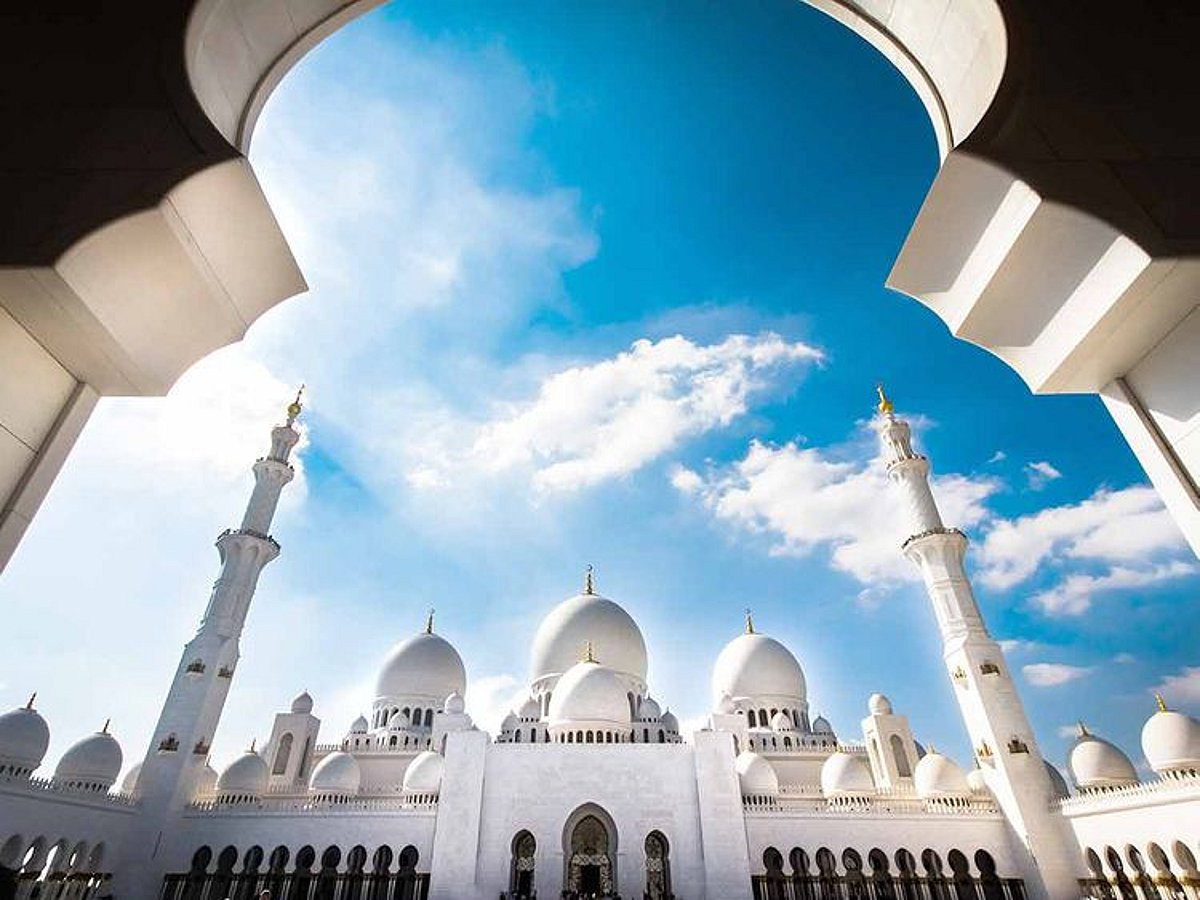
Mosques play an important role in maintaining Islamic traditions and supporting religious communities throughout Dubai. They are not only places of worship but also spaces where Muslims can meet, develop relationships, learn about Islam, and participate in community activities.
Dubai has mosques located in residential neighbourhoods, business districts, shopping areas, and public spaces. This availability makes it easier for residents and visitors to find a suitable place for prayer.
Congregational prayer encourages unity because people from different backgrounds stand together in worship. Dubai’s diverse population means that mosques often bring together Muslims from numerous countries and cultural communities.
Many mosques also provide facilities for ablution, Quranic education, religious lectures, and special prayers during Islamic occasions.
Friday prayers, in particular, hold special importance. Muslim men are generally required to attend the Friday congregational prayer, subject to Islamic conditions and recognized exemptions.
The presence of mosques throughout the emirate helps preserve religious values while supporting the needs of a modern urban population.
How Technology Makes Prayer Planning Easier
Technology has changed how people access religious information. Smartphones, digital calendars, websites, and prayer applications make it easier to check daily Salah schedules without depending entirely on printed timetables.
Modern applications can display prayer timings according to the user’s location. Some also provide reminders before the beginning of each prayer, helping individuals prepare their daily routines.
Digital Qibla compasses are another useful feature. They help worshippers identify the direction of the Kaaba in Makkah when they are unfamiliar with their surroundings.
For residents and tourists, these tools can be especially helpful when travelling between neighbourhoods or visiting unfamiliar locations.
However, technology should be used carefully. Different applications may use different calculation methods, location settings, or adjustment options. These differences can result in slight variations in displayed timings.
It is therefore advisable to select an appropriate UAE or Dubai calculation setting and compare important timings with trusted local mosque announcements.
Technology can support religious consistency, but understanding the basic principles of Salah remains equally important.
Prayer During Ramadan in Dubai
Ramadan is one of the most spiritually significant periods in Dubai. During this holy month, Muslims fast from dawn until sunset while increasing their focus on prayer, Quran recitation, charity, patience, and personal reflection.
The five obligatory prayers continue throughout Ramadan, but daily routines often change to accommodate fasting and additional worship.
Fajr marks the beginning of the daily fast, while Maghrib marks the time when Muslims break their fast. Families often gather for Iftar, creating opportunities for hospitality, generosity, and community connection.
Mosques across Dubai also become especially active during Ramadan. Taraweeh prayers are performed after Isha, and many worshippers spend additional time reading the Quran and participating in religious activities.
Checking an updated timetable becomes particularly important during this month because accurate Fajr and Maghrib timings are essential for fasting.
Dubai’s Ramadan atmosphere reflects a combination of religious devotion, cultural traditions, and community participation.
Practical Tips for Maintaining a Regular Prayer Routine
Maintaining consistency becomes easier when individuals develop a daily routine that includes time for worship. People with busy professional schedules can prepare in advance rather than waiting until a prayer time begins.
A few simple habits can make a meaningful difference:
-
Check the daily timetable: Review the latest schedule every morning to understand the day’s prayer windows.
-
Set useful reminders: Use a reliable mobile application or digital alarm to receive notifications.
-
Locate nearby mosques: Identify convenient mosques around your home, workplace, or regular travel routes.
-
Plan work breaks: Organize professional responsibilities around prayer times whenever possible.
-
Prepare for Salah: Keep suitable clothing and other necessary items accessible, and perform ablution before prayer when convenient.
-
Follow trusted information: Use official UAE religious sources and local mosque announcements for accurate timings.
These habits can help worshippers manage their responsibilities without treating prayer as an afterthought.
Consistency is more important than creating an unnecessarily complicated routine. Small, regular efforts can help strengthen religious discipline over time.
Common Mistakes to Avoid When Following Prayer Timings
Although prayer schedules are easy to access, certain mistakes can create confusion. One common issue is relying on an old timetable without checking whether the timings have changed. Since prayer times are influenced by solar movements, yesterday’s schedule should not automatically be considered accurate for today.
Another mistake is confusing sunrise with Fajr. Fajr begins before sunrise, and its prayer window ends when sunrise starts. These are separate astronomical events and should not be treated as interchangeable.
Some people also overlook location settings in mobile applications. A schedule configured for Abu Dhabi, Sharjah, or another city may show slightly different timings from Dubai.
Differences in calculation methods can also affect displayed times, particularly for Fajr, Isha, and Asr. Worshippers should select a suitable method and follow the guidance of their local religious authority.
Finally, people should distinguish between the Adhan and Iqama. The Adhan announces that the prayer time has begun, while Iqama signals that the congregational prayer is about to start.
Avoiding these mistakes can make daily prayer planning more reliable.
Frequently Asked Questions (FAQs)
1. How many daily prayers are performed in Dubai?
Muslims perform five obligatory prayers every day: Fajr, Dhuhr, Asr, Maghrib, and Isha. These prayers are observed throughout the day according to the position of the sun. Their exact timings change slightly throughout the year.
2. Why do prayer timings change every day?
Prayer timings change because the position of the sun and the duration of daylight vary throughout the year. Sunrise, sunset, and twilight influence the beginning of different prayers. Therefore, Muslims should check an updated timetable instead of relying on fixed timings.
3. Is sunrise considered one of the five obligatory prayers?
No. Sunrise is not one of the five obligatory prayers. It is an important astronomical event that marks the end of the Fajr prayer window. The five obligatory prayers remain Fajr, Dhuhr, Asr, Maghrib, and Isha.
4. Where can people find accurate prayer timings in Dubai?
People can consult the Islamic Affairs and Charitable Activities Department, recognized UAE religious authorities, and reliable prayer applications. Local mosque announcements are also helpful for confirming prayer arrangements and congregational schedules.
5. Can tourists perform prayers in Dubai?
Yes. Muslim tourists can perform their daily prayers in mosques, designated prayer rooms, hotels, and other suitable locations. Dubai provides prayer facilities in many public and commercial places, making it convenient for visitors to maintain their religious routines.
6. Why do different prayer applications sometimes show different timings?
Different applications may use different astronomical calculation methods, geographical settings, or precautionary adjustments. These differences can result in small variations. Selecting the correct Dubai location and following trusted local religious guidance can help reduce confusion.
Conclusion
Understanding daily Salah timings is an important part of maintaining a balanced and spiritually meaningful lifestyle in Dubai. The five obligatory prayers provide structure throughout the day and encourage Muslims to remain connected with their faith while managing professional, educational, and personal responsibilities.
The subject of time prayer Dubai is relevant to residents, tourists, workers, and students who want to follow the correct prayer schedule. By understanding Fajr, Dhuhr, Asr, Maghrib, and Isha, worshippers can organize their routines more effectively and avoid common timing mistakes.
Dubai’s mosques, official religious authorities, and modern digital tools make accessing prayer information convenient. However, checking updated schedules and following trusted local guidance remain important because prayer timings naturally change throughout the year.
Ultimately, Salah is more than a daily religious obligation. It represents discipline, gratitude, patience, and spiritual connection. Maintaining regular prayers can bring greater purpose and balance to everyday life while strengthening the values that remain central to the Muslim community in Dubai.
Article note: Prayer timings and religious guidance can vary slightly according to calculation methods and local mosque arrangements. For practical use, consult the latest official UAE timetable.

