
1. What are full form of ATM?
The full form of ATM is Automated Teller Machine. It is an electronic banking machine that allows users to withdraw cash, check balance, and perform transactions without visiting a bank.
2. Best full form of ATM explanation?
The full form of ATM stands for Automated Teller Machine, a self-service banking system that operates 24/7 and provides easy access to financial services like withdrawals and deposits.
3. How to choose full form of ATM understanding?
To understand the full form of ATM, focus on its function—automation, banking services, and user convenience—making it an essential tool in modern financial systems.
Introduction
Have you ever needed cash urgently but the bank was closed? That’s where ATMs come in as lifesavers. These machines have become such an integral part of our daily lives that we often use them without even thinking about how they work or what ATM actually stands for.
Understanding the full form of ATM is more than just knowing its expansion. It gives you insight into how modern banking has evolved to provide convenience, speed, and accessibility. Whether you’re withdrawing cash, checking your balance, or transferring money, ATMs simplify financial transactions in seconds.
In today’s fast-paced digital world, ATMs bridge the gap between traditional banking and modern technology. Knowing their meaning, functions, and benefits helps you use them more efficiently and securely.
Quick Summary
- ATM stands for Automated Teller Machine
- Provides 24/7 banking services
- Allows cash withdrawal, balance check, and more
- Reduces dependency on physical bank branches
What is the Full Form of ATM?
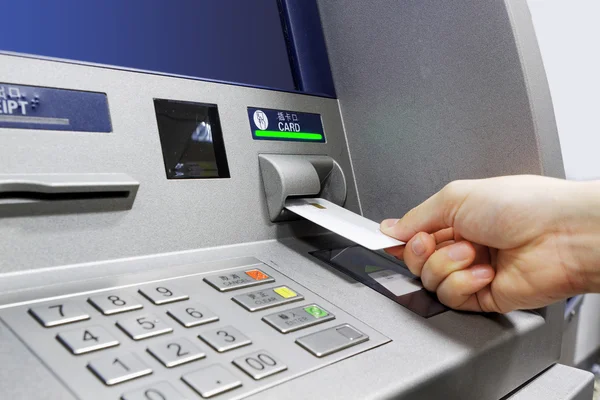
The full form of ATM is Automated Teller Machine. It is a computerized device that enables customers to perform banking transactions without human assistance. By using a debit card or credit card along with a PIN (Personal Identification Number), users can securely access their bank accounts.
ATMs are connected to banking networks, allowing real-time processing of transactions. This means your account balance updates instantly after every withdrawal or deposit. The machine essentially acts as a mini-bank available at your convenience.

How Does an ATM Work?
An ATM works through a combination of hardware and software systems that communicate with your bank. When you insert your card, the machine reads your account details stored in the magnetic strip or chip. After entering your PIN, the system verifies your identity through secure banking networks.
Once authenticated, you can perform actions like cash withdrawal, fund transfer, or checking your balance. The ATM sends a request to your bank’s server, processes it, and completes the transaction within seconds. This seamless operation ensures both speed and security.
Types of ATM Machines
ATMs are not all the same; they vary based on functionality and location. Some machines are designed only for withdrawals, while others offer advanced banking features.
| Type of ATM | Features |
|---|---|
| Basic ATM | Cash withdrawal and balance inquiry |
| Cash Deposit ATM | Allows depositing money |
| Smart ATM | Offers bill payment, fund transfer, etc. |
| White Label ATM | Operated by non-bank entities |
Each type is designed to improve accessibility and cater to different customer needs, making banking more flexible.
Key Features of ATM
ATMs are widely used because of their practical features and ease of use. They eliminate the need for long queues at bank branches and offer quick services.
- 24/7 availability for banking transactions
- Fast cash withdrawal and deposit
- Secure access using PIN authentication
- Multi-functional services like mini statements and transfers
These features make ATMs an essential part of modern financial systems.
Real-Life Example of ATM Usage
Imagine you are traveling late at night and suddenly need cash for an emergency. Banks are closed, and digital payments may not always work everywhere. In such situations, an ATM nearby allows you to withdraw money instantly.
According to banking data, over 70% of cash transactions in urban areas still happen through ATMs, showing their continued importance despite the rise of digital payments.
Advantages and Disadvantages of ATM
Pros & Cons
Pros:
- Convenient and time-saving
- Available round the clock
- Reduces bank crowding
- Easy to use
Cons:
- Risk of card fraud or skimming
- Limited cash availability sometimes
- Transaction limits apply
- Technical issues may occur
Expert Tips for Using ATM Safely
- Always cover the keypad while entering your PIN
- Avoid using ATMs in isolated areas
- Check for suspicious devices attached to the machine
- Regularly monitor your bank statements
Common Mistakes to Avoid
- Sharing your ATM PIN with others
- Ignoring transaction receipts
- Using public Wi-Fi before banking transactions
- Leaving the ATM without logging out properly
Who Should Use ATM?
ATMs are designed for everyone who has a bank account and requires quick access to cash or basic banking services. Students, working professionals, travelers, and even senior citizens benefit from their convenience. Especially in areas where digital payment infrastructure is still developing, ATMs remain a reliable financial tool.
FAQs
1. What is the full form of ATM in banking?
The full form of ATM in banking is Automated Teller Machine, which allows users to perform transactions without visiting a bank branch.
2. How does an ATM ensure security?
ATMs use encrypted networks, PIN authentication, and secure banking servers to protect user data and transactions.
3. Can I deposit money in all ATMs?
No, only cash deposit machines or smart ATMs allow deposits.
4. What should I do if my card is stuck in an ATM?
Immediately contact your bank’s customer support and block your card to prevent misuse.
5. Is there a limit on ATM withdrawals?
Yes, banks set daily withdrawal limits depending on your account type.
Summary Recap
The full form of ATM highlights its role as an Automated Teller Machine that revolutionized banking by making it accessible anytime, anywhere. From simple cash withdrawals to advanced banking services, ATMs have become an essential part of everyday financial life.
Conclusion
Understanding the full form of ATM is just the beginning of appreciating its importance in modern banking. These machines have transformed how people interact with their money, offering speed, convenience, and independence. While digital payments are growing, ATMs continue to serve as a reliable backup and essential financial tool. By using them wisely and securely, you can make the most of what they offer in your daily life.