
Introduction
Banking has become more convenient with the development of modern technology. In the past, people often had to visit a bank branch and wait in long queues to withdraw money, check their account balance, or complete other basic financial transactions. Today, many of these services are available through automated machines installed near banks, shopping centres, railway stations, airports, and other public places. These machines have made everyday banking faster and more accessible.
The full form of ATM is Automated Teller Machine. It is an electronic banking device that allows customers to perform several financial transactions without requiring direct assistance from a bank employee. Depending on the machine and the bank’s services, customers can withdraw cash, check their account balance, print mini statements, change their PIN, and complete other supported transactions using a debit or ATM card.
ATMs are an important part of the modern banking system because they provide convenient access to cash and selected banking services beyond traditional branch counters. Understanding their meaning, working process, benefits, limitations, and safety measures can help people use them confidently and responsibly.
1. What Is the Full Form of ATM?
ATM stands for Automated Teller Machine. The word “automated” means that a process is performed by a machine with limited or no direct human assistance. “Teller” refers to a bank employee who traditionally handles customer transactions, while “machine” describes the electronic equipment that performs these tasks.
An ATM allows customers to access certain banking services through an electronic system connected to their bank. After inserting or tapping a supported card, entering the required PIN, and selecting a transaction, the machine communicates with the banking network to verify the request. If the transaction is approved, the machine completes the requested service.
For example, when someone wants to withdraw ₹2,000, the ATM checks whether the transaction is authorised and whether the account has sufficient available funds and the withdrawal is within the applicable limits. If the request is approved, the machine dispenses the money and records the transaction.
Although the term is widely recognised, not every ATM offers exactly the same services. Features depend on the machine’s capabilities, the bank, the payment network, and the customer’s account.
2. What Is an ATM and Why Is It Important?
An ATM is a self-service banking terminal designed to provide access to selected financial services without requiring customers to visit a bank counter. It combines electronic hardware, software, security systems, and communication networks to process transactions.
The importance of ATMs comes from their ability to make banking more flexible. Customers can withdraw cash when a branch is closed, access money while travelling, and complete basic transactions at convenient locations. This is especially useful for people who need cash outside standard banking hours.
ATMs also help reduce the pressure on bank branches by handling routine transactions. Bank employees can then focus on services that require personal assistance, such as resolving complicated account problems, providing financial guidance, or helping customers with documentation.
In India, ATMs remain useful even as digital payment methods such as Unified Payments Interface (UPI), mobile banking, and internet banking continue to grow. Digital payments are convenient for many purchases, but cash is still needed in situations where electronic payment facilities are unavailable or where a customer prefers to pay with physical currency.
3. History and Development of ATMs

The development of ATMs transformed the way customers interact with banks. Before their introduction, cash withdrawals and many other banking activities generally required a visit to a branch during working hours. Banks gradually adopted self-service machines to improve convenience and make routine transactions more efficient.
Early ATM systems offered relatively limited functionality, primarily focusing on cash withdrawals. As electronic banking networks developed, machines became capable of performing additional tasks, including balance inquiries, PIN changes, and mini statement printing.
Improvements in computer systems, telecommunications, card technology, and security measures have made modern ATMs more sophisticated. Some machines now support contactless transactions, cash deposits, cheque deposits, and other services. However, these features are not universally available.
The banking industry has also introduced stronger authentication and monitoring systems to reduce fraud. Chip-enabled cards, encrypted communication, transaction alerts, surveillance systems, and improved fraud detection help protect customers.
The evolution of ATMs reflects a broader change in banking: customers increasingly expect essential services to be available quickly, conveniently, and with fewer geographical restrictions.
4. How Does an ATM Work?
An ATM works through a combination of hardware, software, and secure communication with the banking network. Although the process may appear simple to a customer, several steps take place behind the scenes.
First, the customer inserts a card, taps a supported card, or uses another access method offered by the machine. The ATM reads the necessary card information and asks the customer to authenticate the transaction, usually by entering a personal identification number, commonly called a PIN.
Next, the customer selects a service, such as cash withdrawal or balance inquiry. The ATM sends the transaction request through a secure network to the relevant banking system. The bank checks the card and authentication details, available funds, account restrictions, and transaction limits.
If the request is approved, the ATM carries out the selected operation. For a cash withdrawal, the cash dispenser releases the requested amount, subject to the machine’s available denominations and cash supply. The system records the transaction and updates the account balance accordingly.
Finally, the machine displays a confirmation and may print a receipt. Customers should collect their card, cash, and receipt before leaving. If a transaction fails or cash is not dispensed correctly, they should retain the transaction details and contact their bank.
5. Main Features of an ATM
Modern ATMs offer several features intended to make banking accessible and convenient. The exact options depend on the bank and the type of machine.
Cash withdrawal: This is one of the most common ATM services. Customers can withdraw money from eligible accounts, subject to their available balance, daily limits, and applicable charges.
Balance inquiry: Customers can check their available account balance without visiting a bank branch. Some machines display the balance directly, while others offer a printed confirmation.
Mini statement: Supported ATMs can provide a brief record of recent account transactions. This helps customers review recent deposits, withdrawals, and other account activity.
PIN services: Certain ATMs allow customers to change or reset their card PIN through an authorised process. Additional verification may be required.
Cash and cheque deposits: Deposit-enabled machines allow eligible customers to deposit cash or cheques. Availability, processing times, and account eligibility vary by bank.
Receipt printing: A receipt can provide details such as the transaction date, amount, and reference number. Some machines offer digital or receipt-free options.
These features allow ATMs to support several everyday banking needs through a single self-service terminal.
6. Different Types of ATMs
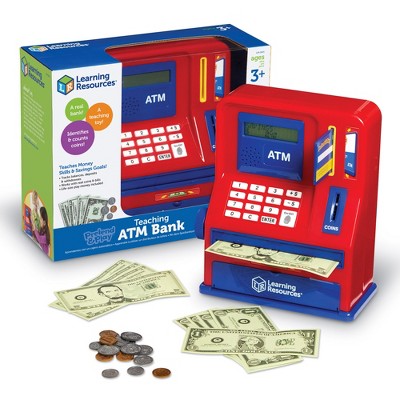
ATMs are available in several forms, depending on their location, purpose, and supported services.
On-Site ATMs
On-site ATMs are located within or near bank branches. They offer convenient access to cash and may be useful when customers need additional assistance from bank staff. Some branches provide machines that remain accessible outside regular working hours.
Off-Site ATMs
Off-site ATMs are installed away from bank branches, including shopping centres, markets, transport hubs, and commercial buildings. Their purpose is to bring banking services closer to customers and make cash withdrawals more convenient.
Cash Deposit Machines
Cash deposit machines accept banknotes and credit the eligible account according to the machine’s procedures. Some machines combine cash withdrawal and deposit functions, while others are designed specifically for deposits.
Recyclers
Cash recyclers can accept deposited notes and dispense suitable notes for withdrawals. Depending on their configuration, they can help banks manage cash more efficiently by reusing eligible deposited currency.
Biometric or Cardless ATMs
Some banking systems support transactions using biometric verification or cardless authentication. The available method depends on the bank and the technology supported by the machine. Customers should use only official, authorised services.
7. Benefits of Using ATMs
ATMs provide several practical benefits to individuals, businesses, and banks. Their biggest advantage is convenience. Customers can access cash at many locations without having to wait for a bank counter to become available.
Another important benefit is time savings. A straightforward withdrawal or balance inquiry can often be completed in a few minutes. This helps customers manage daily expenses, especially when they are travelling or dealing with urgent cash requirements.
ATMs also improve access to banking services outside normal branch hours. Although individual machines may have restricted access because of location, maintenance, or security conditions, many remain available during evenings, weekends, and holidays.
For banks, ATMs can reduce the number of routine transactions handled by branch employees. This may improve operational efficiency and allow staff to focus on more complex customer needs.
ATMs can also support financial inclusion by making cash services available in areas where visiting a bank branch may be inconvenient. However, their actual benefit depends on machine availability, reliable connectivity, sufficient cash, accessibility, and customer awareness.
8. Limitations of ATMs
Despite their advantages, ATMs have several limitations. The most obvious is that a machine can run out of cash, experience a technical problem, or become temporarily unavailable because of maintenance or network failure.
Another limitation is that ATM transactions may be subject to daily withdrawal limits. Banks and card networks can impose different limits depending on the account, card type, and applicable rules. Customers who need larger amounts may have to make multiple transactions or visit a branch.
Charges can also apply in certain circumstances. Depending on the bank’s policies and current regulations, customers may face fees for exceeding the permitted number of transactions or using particular services. It is advisable to review the bank’s current schedule of charges.
Security risks are another concern. Criminals may attempt card skimming, PIN theft, shoulder surfing, or other forms of fraud. Customers must remain alert when entering their PIN and should avoid using machines that appear tampered with.
Finally, an ATM cannot replace every banking service. Complex account problems, loan applications, detailed financial advice, and certain documentation procedures may still require a bank branch or official digital banking channel.
9. ATM Safety Tips for Customers
Using an ATM safely requires awareness and a few simple precautions. Customers should always choose a machine in a well-lit, secure location and remain alert to their surroundings.
Before inserting a card, check the card slot and keypad for unusual attachments or visible signs of tampering. If anything looks suspicious, do not use the machine. Inform the bank or the relevant authority responsible for the location.
Always cover the keypad while entering your PIN. Never share your PIN, one-time password (OTP), or banking credentials with anyone claiming to be a bank employee. Genuine bank representatives should not ask customers to disclose their confidential PIN.
Customers should also avoid accepting unsolicited assistance from strangers during a transaction. If the ATM retains a card or displays an error, use the bank’s official customer support channel rather than trusting an unknown person nearby.
After completing a transaction, collect the card, cash, and receipt if one is printed. Check transaction alerts and account statements regularly. If money is debited but cash is not dispensed, report the issue promptly and keep the transaction reference, date, time, and ATM location for follow-up.
10. Difference Between an ATM Card and a Debit Card
People often use the terms ATM card and debit card interchangeably, but they can describe different functions or types of cards.
An ATM card is commonly associated with accessing selected self-service banking functions, particularly cash withdrawals and balance inquiries. A debit card generally allows customers to access eligible funds in their linked bank account and may also be used for purchases at shops and online, depending on its network and features.
Many modern debit cards can be used at ATMs, which is why customers frequently refer to them as ATM cards. However, a card’s actual capabilities depend on the issuing bank, card network, account settings, and merchant acceptance.
| Feature | ATM card | Debit card |
|---|---|---|
| Cash withdrawal | Commonly supported | Commonly supported |
| Balance inquiry | Often supported | Often supported |
| In-store payments | Not always supported | Usually supported if enabled |
| Online shopping | Depends on card features | Often supported if enabled |
| Account linkage | Usually linked to a bank account | Linked to an eligible bank account |
Before using a card, customers should check the services enabled by their bank and understand any applicable transaction limits.
11. The Role of ATMs in India’s Banking System
ATMs play a continuing role in India’s banking system by providing access to cash and selected banking services across urban, semi-urban, and rural areas. They are useful for customers who receive salaries, pensions, business income, or other funds electronically but still need physical currency for daily expenses.
The expansion of digital banking has changed how people use ATMs. Many customers now make routine payments through UPI and mobile banking, reducing the need to withdraw cash as frequently. However, cash remains important for certain local transactions, travel requirements, and situations where digital payment options are unavailable.
Banks and other authorised operators must maintain their machines, manage cash supplies, and follow applicable security and regulatory requirements. Reliable ATM services depend on network connectivity, operational equipment, cash availability, and effective customer support.
ATMs also complement other banking channels rather than replacing them entirely. Mobile applications are useful for digital transfers, internet banking supports account management, and bank branches remain important for services requiring direct assistance. Together, these options provide customers with greater flexibility in managing their money.
12. The Future of ATM Technology
ATM technology is likely to continue evolving as banks respond to changing customer expectations and security requirements. Future developments may focus on improved authentication, more accessible interfaces, better transaction monitoring, and more efficient cash management.
Contactless access and cardless withdrawals may become more widely available where banks support secure authentication methods. Biometric systems may also provide additional verification options, although their use depends on the relevant technology, regulations, and bank policies.
Artificial intelligence and advanced analytics can help financial institutions identify unusual transaction patterns and detect potential fraud. Better monitoring may also help banks predict cash requirements and reduce machine downtime.
Accessibility is another important area. Machines with clear instructions, adjustable interfaces, audio assistance, and suitable physical design can help more customers use self-service banking independently.
Even as technology advances, security and customer trust will remain essential. Banks must balance convenience with strong authentication, privacy protection, reliable systems, and accessible support for customers who experience difficulties.
13. Frequently Asked Questions About ATM
What is the full form of ATM?
The full form of ATM is Automated Teller Machine. It is an electronic banking device that enables customers to perform selected transactions, including cash withdrawals and balance inquiries, without visiting a bank counter.
Can I use an ATM 24 hours a day?
Many ATMs are available around the clock, but access is not guaranteed at every location. Operating hours can depend on the building, security arrangements, maintenance, cash availability, and network conditions.
Can I withdraw money from another bank’s ATM?
In many cases, customers can use their eligible debit cards at ATMs operated by other banks. However, transaction limits, applicable charges, and available services depend on the bank’s policies and current regulations.
What should I do if an ATM deducts money but does not dispense cash?
Check your account balance and transaction alerts, then report the issue through your bank’s official complaint channel. Provide the transaction date, time, amount, ATM location, and reference number if available. Keep any receipt and follow the bank’s instructions.
Is it safe to use an ATM?
ATMs are designed with security measures, but no system is entirely free from risk. Customers should protect their PIN, inspect the machine for suspicious attachments, avoid sharing confidential information, and report unauthorised transactions immediately.
Can an ATM accept cash deposits?
Some ATMs support cash deposits, while others are designed mainly for withdrawals and basic account services. Customers should check whether their bank provides a deposit-enabled machine and understand its operating instructions.
Conclusion
The full form of ATM is Automated Teller Machine, a technology that has made everyday banking faster and more convenient. ATMs allow customers to withdraw cash, check account balances, obtain mini statements, and access other supported services without relying entirely on bank counters.
Their major benefits include convenience, time savings, access beyond traditional banking hours, and support for routine financial transactions. However, customers should also understand withdrawal limits, possible charges, technical problems, and security risks.
As digital banking continues to expand, ATMs remain a useful part of the wider financial system. By understanding how these machines work and following basic safety practices, customers can use them more confidently and manage their banking needs more effectively.