
Introduction
Physical fitness is an important part of maintaining a healthy and balanced lifestyle. In today’s busy world, people spend many hours sitting at desks, working on computers, travelling, and using mobile devices. These habits can reduce physical activity and affect overall health. Regular exercise is one of the best ways to maintain fitness, improve strength, and support mental well-being. One of the most popular places where people exercise and work towards their fitness goals is a gym.
Many people search for the full form of gym because they want to understand what the word actually means. Although gym is commonly used in everyday conversations, its meaning is connected to the word gymnasium. A gym is a dedicated place where people participate in physical activities, strength training, cardiovascular exercises, and other fitness programmes.
Understanding the meaning of gym is useful for students, fitness beginners, and anyone interested in improving their health. A gym is not only a place for building muscles or losing weight; it also encourages discipline, consistency, confidence, and a healthier lifestyle.
What Is the Full Form of Gym?
The word GYM does not have an officially recognised full form because it is not originally an acronym. Instead, it is a shortened form of the word gymnasium. A gymnasium is a place or facility designed for physical exercise, sports, training, and other fitness activities.
In everyday language, people use the word gym to describe fitness centres equipped with exercise machines, weights, cardio equipment, and training areas. These facilities provide opportunities for people to improve their physical abilities through different types of workouts.
The full form of gym is commonly explained as gymnasium, although technically, gym is an abbreviation rather than an acronym. This distinction is important because many websites and educational discussions incorrectly present invented expansions of the three letters GYM.
Meaning and Origin of the Word Gym
The word gymnasium has historical roots in ancient Greece. It comes from the Greek word associated with exercising and training. In ancient Greek society, gymnasiums were important places where people developed physical strength and participated in athletic activities.
These spaces were not limited to exercise alone. They also played a role in education, social interaction, and the development of physical abilities. People used them to prepare for athletic competitions and improve their overall physical performance.
Over time, the concept of the gymnasium developed in different parts of the world. Modern fitness centres now provide specialised equipment, professional trainers, group classes, and structured workout programmes. Today, gyms are accessible to people of different ages and fitness levels.
Why Do People Go to the Gym?
People visit gyms for different reasons depending on their personal fitness goals. Some want to lose excess body weight, while others aim to build muscles, increase strength, improve stamina, or maintain general health. A gym provides an organised environment where individuals can follow exercise routines according to their needs.
Another important reason is access to specialised equipment. Exercise machines, dumbbells, barbells, treadmills, and stationary bicycles allow people to perform different workouts in one location. Beginners can also receive guidance from qualified trainers who help them understand exercise techniques and create suitable routines.
The full form of gym may be a simple question, but understanding the purpose of a gym provides a broader perspective on physical fitness. Regular visits can help individuals develop healthy habits and maintain an active lifestyle.
Major Types of Gyms
Different fitness centres offer different facilities depending on their target audience and training programmes. Understanding these categories can help people choose a suitable environment for their fitness journey.
1. Traditional Fitness Gyms
Traditional gyms are among the most common fitness facilities. They generally include weight-training equipment, cardio machines, stretching areas, and basic workout facilities. People can use these spaces for general fitness, muscle development, and weight management.
2. Strength Training Gyms
Strength training gyms mainly focus on improving muscular strength and physical performance. They usually contain barbells, dumbbells, weight plates, squat racks, and resistance machines. These facilities are useful for people interested in bodybuilding, powerlifting, and structured resistance training.
3. Cardio Fitness Centres
Cardio-focused gyms provide equipment such as treadmills, rowing machines, stationary bicycles, and elliptical trainers. These activities support cardiovascular fitness and help improve endurance. They are suitable for individuals who enjoy aerobic exercise.
4. Group Fitness Studios
Group fitness studios organise activities such as yoga, dance workouts, aerobics, and circuit training. These classes allow participants to exercise together under the guidance of an instructor. They can also make fitness sessions more enjoyable and motivating.
Health Benefits of Going to the Gym
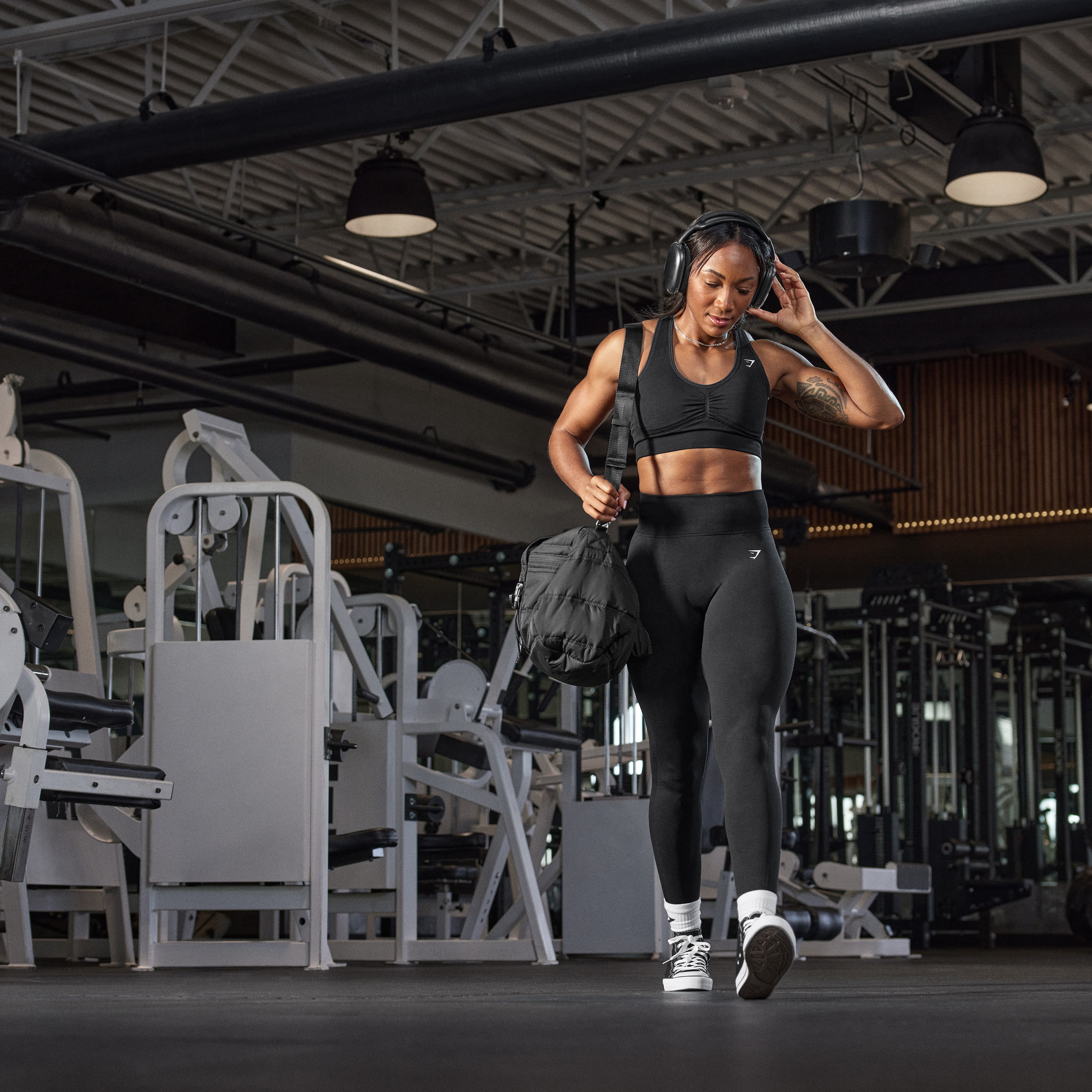
Regular physical activity provides several physical and mental health benefits. A well-planned exercise routine can support overall fitness and help people maintain a healthier lifestyle.
One major benefit is improved muscular strength. Resistance exercises challenge muscles and gradually improve their ability to perform physical tasks. Activities such as squats, push-ups, and weight training can strengthen different muscle groups when performed correctly.
Exercise also supports cardiovascular health. Activities such as walking, cycling, swimming, and running increase heart activity and improve endurance. Regular movement can help people become more energetic and physically active throughout the day.
Another benefit is better flexibility and mobility. Stretching exercises and controlled movements help maintain joint movement and muscular flexibility. Additionally, physical activity can support sleep quality, reduce everyday stress, and improve mood.
Importance of Gym for Mental Health
Physical fitness is closely connected to mental well-being. Exercise can positively influence mood, concentration, and emotional balance. When people participate in regular physical activities, their bodies release chemicals such as endorphins, which are associated with positive feelings.
Going to the gym can also provide a structured break from daily responsibilities. Spending time exercising allows individuals to focus on themselves and temporarily move away from work-related pressure and other distractions.
Another important advantage is improved self-confidence. Achieving small fitness goals, learning new exercises, and gradually improving physical performance can create a sense of accomplishment. However, people should remember that fitness progress takes time and should not be compared with someone else’s results.
Essential Gym Equipment and Their Uses
Modern gyms contain different types of equipment designed for specific exercises. Understanding their basic functions can help beginners feel more comfortable during workouts.
-
Treadmill: Used for walking, jogging, and running indoors.
-
Dumbbells: Used for strength exercises involving different muscle groups.
-
Barbells: Commonly used for compound movements and heavy resistance training.
-
Exercise Bikes: Provide cycling workouts that support cardiovascular endurance.
-
Weight Machines: Help target specific muscles through controlled movements.
-
Resistance Bands: Used for strength training, mobility, and flexibility exercises.
-
Rowing Machines: Provide full-body workouts involving both upper and lower body movements.
Before using unfamiliar equipment, beginners should learn the correct techniques. Proper adjustments and controlled movements can improve exercise quality and reduce the risk of injuries.
How Beginners Can Start Their Gym Journey

Starting a fitness routine can feel challenging, especially for people who have never exercised regularly. However, beginners do not need to perform difficult workouts immediately. The best approach is to start with simple activities and gradually increase exercise intensity.
First, individuals should identify their fitness goals. These may include improving stamina, developing strength, increasing flexibility, or maintaining general health. Having realistic goals makes it easier to follow a consistent routine.
Beginners should also learn basic exercise techniques before lifting heavy weights. A qualified fitness trainer can provide guidance about posture, equipment settings, and suitable exercises. Starting with lighter resistance and controlled movements is generally a safer approach.
Rest and recovery are equally important. Muscles need time to recover after challenging workouts. A balanced routine should include exercise, proper nutrition, sufficient sleep, and regular hydration.
Common Gym Mistakes to Avoid
Many beginners make mistakes because they are unfamiliar with workout techniques or expect immediate results. Avoiding these habits can make exercise safer and more effective.
One common mistake is lifting weights that are too heavy. Using excessive resistance without proper technique can increase injury risk. It is better to begin with manageable weights and improve gradually.
Another mistake is skipping warm-up exercises. A suitable warm-up prepares the body for physical activity and helps individuals move more comfortably during workouts.
Some people also exercise excessively without allowing enough recovery time. Training every muscle group intensely every day is not necessary for achieving fitness goals. Rest days help the body recover and adapt to exercise.
Finally, beginners should avoid comparing their progress with others. Everyone has different physical abilities, experience levels, and fitness requirements. Consistency and patience are more important than achieving quick results.
Gym vs Home Workout: Which Is Better?
Both gym workouts and home exercises can support physical fitness. The right choice depends on personal preferences, available resources, daily schedules, and fitness goals.
A gym offers specialised equipment, dedicated workout spaces, and access to professional trainers. It can be particularly helpful for individuals interested in strength training, bodybuilding, and structured fitness programmes.
Home workouts provide flexibility and convenience. People can exercise using bodyweight movements such as squats, lunges, push-ups, and planks without travelling to a fitness centre. They may also save money on membership fees.
Neither option is automatically better for everyone. The most effective exercise routine is one that matches an individual’s lifestyle and can be followed consistently. People can also combine gym sessions with simple home workouts to maintain regular physical activity.
How to Maintain a Healthy Gym Routine
Maintaining consistency is one of the most important parts of achieving long-term fitness goals. Instead of following an extremely difficult workout schedule, people should create a routine that fits their daily responsibilities.
A balanced fitness programme can include cardiovascular exercise, strength training, flexibility activities, and sufficient recovery. Beginners can start with a manageable number of weekly sessions and gradually increase their activity according to their abilities.
Nutrition also plays an important role in supporting exercise. A balanced diet containing fruits, vegetables, whole grains, protein sources, and healthy fats can provide essential nutrients. Drinking enough water is important, particularly during and after physical activity.
Tracking progress can also be helpful. People may record workout duration, exercise performance, and personal improvements. These records provide a realistic way to understand progress without focusing only on body weight or appearance.
Conclusion
A gym is an important fitness environment where people can improve physical strength, cardiovascular endurance, flexibility, and overall well-being. Although many people search for the full form of gym, it is important to understand that gym is actually a shortened form of gymnasium rather than an official acronym.
Modern gyms provide different types of equipment, training facilities, and exercise programmes suitable for various fitness goals. Whether someone wants to develop muscles, manage body weight, improve stamina, or maintain general health, regular physical activity can make a meaningful difference.
However, successful fitness journeys require consistency, patience, proper techniques, balanced nutrition, and sufficient recovery. People should choose exercises according to their abilities and gradually develop healthy habits. Ultimately, fitness is not just about visiting a gym; it is about making physical activity an enjoyable and sustainable part of everyday life.