
Introduction
Digital banking has transformed how people manage their money, making everyday financial activities more accessible, convenient, and efficient. Instead of visiting a bank branch or waiting in long queues to check account information, customers can now use mobile applications and online banking platforms to review their finances whenever they need. Checking account balances, reviewing recent transactions, and monitoring spending have become routine activities that can be completed from a smartphone or computer. These services are particularly useful for people with busy schedules who prefer managing their banking activities digitally.
The FAB balance checking online app is a useful search term for customers looking to understand how they can monitor their bank accounts through digital services offered by First Abu Dhabi Bank. Online balance checking allows customers to stay informed about their available funds, track deposits, identify completed payments, and make better financial decisions. Understanding the features, security practices, and advantages of digital banking can help users enjoy a smoother banking experience while maintaining greater awareness of their personal finances.
Understanding FAB Digital Banking Services
First Abu Dhabi Bank, commonly known as FAB, provides banking services designed to support customers with personal and financial management. Like many modern financial institutions, the bank offers digital channels that help customers access their accounts without depending entirely on physical branches. These channels may include mobile banking applications, online banking portals, and other electronic services that allow customers to handle everyday banking activities securely.
Digital banking is designed to simplify tasks that once required paperwork, telephone calls, or branch visits. Customers can use their registered banking credentials to access account information, review transaction activity, and explore services available through their banking profile. The main purpose is to make banking more flexible while providing customers with convenient access to financial information.
For customers searching for the FAB balance checking online app, understanding the bank’s digital services is a helpful first step. Rather than using unofficial applications or third-party websites, customers should always access banking services through verified FAB channels. This helps protect sensitive information and ensures that the account information being viewed comes from an authentic banking source.
What Is the FAB Balance Checking Online App?
The FAB balance checking online app refers to the digital banking application or online service that customers use to view their account balances and manage their banking activities. It provides a convenient way to access financial information without physically visiting a branch. Depending on the account type, available services, and digital banking access, customers may be able to view balances, transaction histories, payment information, and other account details.
The primary purpose of balance checking is to give customers a clear understanding of how much money is available in their accounts. This information is important when planning purchases, paying bills, transferring money, or managing monthly expenses. Regular account monitoring can also help customers recognize unexpected transactions and respond quickly if something appears unfamiliar.
Digital banking applications are developed to make financial information easier to access while maintaining security. Customers can generally sign in using their registered credentials and any additional verification method required by their bank. The available features may differ depending on the account, location, application version, and banking policies.
How to Check Your FAB Account Balance Online
A simple step-by-step process for checking account information
Customers who want to check their bank balance online should first make sure they are using the bank’s official digital banking platform. The process is generally straightforward and can be completed using a compatible smartphone or computer with internet access.
Step 1: Access the Official Banking Platform
Start by opening the official FAB mobile banking application or online banking website. If you are using a smartphone, make sure the application is downloaded from a trusted app store and that the developer information matches the bank. Avoid applications promoted through unknown advertisements, suspicious messages, or unofficial download websites.
Step 2: Sign In to Your Account
Enter the banking credentials associated with your account. Depending on the security settings, you may be asked to complete additional authentication, such as a verification code, biometric identification, or another security check. These steps are designed to help confirm that the account is being accessed by its legitimate owner.
Step 3: Locate Your Account Overview
After signing in, look for the account overview, dashboard, or accounts section. This area usually provides access to information about your banking products. If you have multiple accounts, you may need to select the account you want to review.
Step 4: Review Your Balance
Open the selected account to view its balance information. Depending on the banking interface, the displayed amount may represent the current balance, available balance, or another account figure. Understanding the difference between these amounts can help prevent confusion when planning payments.
Step 5: Review Recent Transactions
Once your balance is visible, consider reviewing the latest transactions. This allows you to identify recent deposits, withdrawals, purchases, transfers, and other account activity. Reviewing your transactions regularly can help you maintain a better understanding of your financial situation.
Important Features of Digital Balance Checking
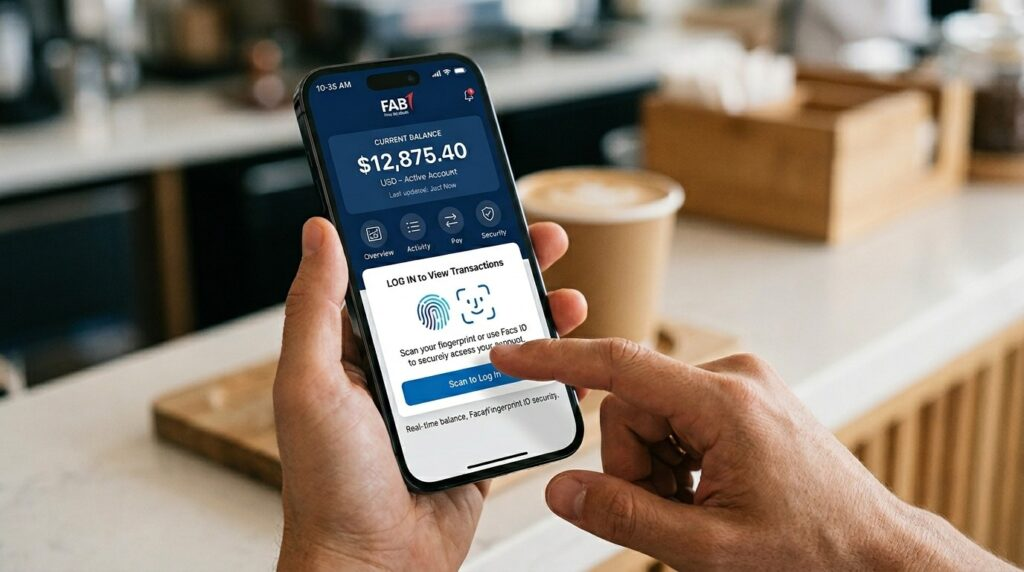
1. Real-Time or Updated Account Information
One of the most valuable features of digital banking is convenient access to account information. Customers can check their balances without waiting for a statement to arrive or contacting customer service for routine inquiries. Depending on the transaction type and banking system, account information may update quickly, while some transactions may take longer to appear or become fully processed.
Having access to updated financial information helps customers make decisions with greater confidence. For example, before purchasing groceries, booking travel, paying rent, or making an online payment, a customer can review their available funds and determine whether the expense fits within their budget. Regular balance checks can reduce uncertainty and help people avoid spending more than they can afford.
2. Transaction History and Account Activity
Balance checking becomes more useful when combined with transaction history. Reviewing previous transactions helps customers understand where their money is going and how their financial habits change over time. A transaction list may show card purchases, account transfers, cash withdrawals, salary credits, bill payments, and other activities depending on the account.
This feature is particularly helpful for identifying recurring expenses, tracking subscriptions, and reviewing large purchases. Customers who examine their transaction history frequently may notice spending patterns that they previously overlooked. For example, small purchases made several times a week can add up to a significant monthly amount. Understanding these patterns can support more responsible financial planning and improve budgeting decisions.
3. Convenient Access Through Mobile Devices
Mobile banking offers flexibility because customers can access their banking information from a compatible device connected to the internet. Whether someone is at home, at work, travelling, or waiting for an appointment, mobile access can make routine financial tasks easier to manage.
Smartphones have become an important part of daily life, and banking applications provide a way to combine financial management with other everyday digital activities. Users can review their accounts without needing a computer, making account monitoring more convenient. However, customers should avoid accessing banking information through unsecured public Wi-Fi networks and should protect their mobile devices with appropriate security settings.
4. Multiple Account Management
Some customers maintain several financial accounts for different purposes, such as salary deposits, everyday spending, savings, or household expenses. Digital banking can help users review multiple accounts through a single interface when those accounts are supported by the platform and linked to their banking profile.
This feature can simplify financial management by reducing the need to switch between separate services. Customers may find it easier to compare their account balances, understand their total financial position, and decide how much money to allocate to different needs. Organizing accounts according to their purpose can also make budgeting more effective.
Benefits of Checking Bank Balances Online
Saves Time and Effort
Online balance checking removes the need to visit a physical bank branch for basic account information. Customers can perform a routine balance inquiry in a few moments, depending on their internet connection and login requirements. This convenience can be especially valuable for individuals who work long hours, travel frequently, or live far from banking locations.
Digital access also reduces the need for routine telephone inquiries. Customers can independently retrieve the information they need instead of waiting for assistance. As banking services become increasingly digital, these time-saving features allow people to focus on other responsibilities while maintaining awareness of their finances.
Supports Better Financial Planning
Knowing the amount available in an account is an essential part of personal financial planning. People who regularly monitor their balances are better positioned to plan expenses, manage bill payments, and set realistic savings targets. Digital banking makes it easier to check financial information before making decisions that could affect a monthly budget.
For example, a customer may use the account balance to decide whether to purchase a new household item, pay an upcoming bill, or set aside funds for an emergency. Checking the account regularly can encourage thoughtful spending and help prevent financial surprises near the end of the month.
Helps Identify Unusual Transactions
Monitoring account activity is an important part of protecting personal finances. When customers review their balances and transaction histories regularly, they may notice unfamiliar payments, unexpected deductions, or transactions they do not remember making. Early awareness allows them to contact the bank through official channels and seek clarification.
Although digital balance checking cannot prevent every type of fraud, it can support better account monitoring. Customers should report suspicious activity promptly and follow the bank’s instructions for securing their accounts. They should never share passwords, authentication codes, card details, or other sensitive banking information with unknown individuals.
Improves Everyday Money Management
Online banking makes it easier to maintain a consistent financial routine. Customers can check balances before shopping, review expenses after receiving their salaries, and monitor payments throughout the month. This information helps people understand their financial habits and make changes when necessary.
A regular account-monitoring routine may also encourage customers to save more consistently. When they can see their available funds and recurring expenses, they may be able to identify opportunities to reduce unnecessary spending. Small improvements in financial habits can gradually create greater stability and help people work toward long-term goals.
FAB Balance Checking Online App and Personal Budgeting
Budgeting is an important financial habit for people of all income levels. A budget helps individuals organize their income, expenses, savings, and financial commitments. Digital balance checking can support this process by providing access to information about how much money is available and how account activity changes during the month.
Customers can begin by dividing their income into practical categories such as housing, food, transportation, utilities, education, healthcare, savings, and personal expenses. They can then compare their planned spending with their actual transactions. This process helps reveal whether certain categories require adjustments.
The FAB balance checking online app can be considered part of a broader digital financial routine. Rather than checking an account only when a payment is due, customers can use digital access to monitor their finances consistently. Reviewing the account several times a week, or at a frequency that suits their needs, may help them stay organized. The goal is not to monitor every transaction obsessively but to develop a clear and realistic understanding of personal finances.
Budgeting also becomes more effective when customers establish savings goals. These goals may include building an emergency fund, preparing for travel, purchasing household equipment, paying for education, or planning for future expenses. By reviewing account information regularly, customers can track their progress and adjust their savings plans as their circumstances change.
Security Practices for Safe Online Banking
Digital banking offers convenience, but users must take appropriate steps to protect their accounts. Banking information is sensitive, and careless handling of passwords, devices, or verification messages can expose customers to fraud. Strong security habits are therefore essential whenever someone accesses financial information online.
Use the Official Application
Always access your banking account through official FAB channels. Before installing an application, verify its publisher and check that you are downloading the correct banking app. Avoid applications that claim to offer balance checking services but are not officially associated with the bank.
Search results, advertisements, social media posts, and forwarded messages can sometimes lead to misleading websites. Customers should not enter their banking credentials into unfamiliar pages. If there is any doubt about the authenticity of a platform, it is better to verify it through the bank’s official website or customer support.
Create Strong Passwords
A strong password should be difficult for other people to guess. Avoid using simple combinations, birthdays, common words, or passwords that are already used for other accounts. A unique password for banking helps reduce the risk of unauthorized access if another online account becomes compromised.
Where supported, biometric authentication and additional verification methods can provide extra protection. Users should also keep their mobile devices updated because operating system updates often include important security improvements.
Never Share Verification Codes
Banking verification codes are intended to confirm account access or authorize specific actions. Customers should never share these codes with people who call, message, or contact them through social media while claiming to represent the bank.
Fraudsters may create urgency by claiming that an account will be blocked, a payment is pending, or immediate verification is required. Customers should avoid responding to pressure and independently contact the bank through trusted channels if they receive suspicious communications.
Avoid Unsecured Networks
Public Wi-Fi networks in cafés, airports, hotels, and shopping centres may not provide the level of security needed for sensitive financial activities. Users should avoid accessing banking services through networks they do not trust. A secure personal connection is preferable when checking balances or managing account information.
If a banking session is opened on a shared computer, customers should sign out completely and avoid saving passwords. They should also make sure the browser does not retain sensitive account information.
Common Problems When Checking a Bank Balance Online
Even when digital banking is designed to be simple, users may occasionally experience technical difficulties. These problems can result from internet connectivity issues, application updates, temporary service interruptions, incorrect login details, or device compatibility concerns.
One common issue is being unable to sign in. This may happen when a customer enters incorrect credentials, forgets a password, or needs to complete an additional security verification. In such cases, users should follow the official recovery process rather than repeatedly entering incorrect information. If the problem continues, contacting the bank through verified support channels may be necessary.
Another issue is an account balance that does not appear to match recent spending. Some transactions may be pending, while others may not have been fully processed. Card transactions, transfers, refunds, and deposits can have different processing times. Customers should review the transaction details and allow for processing delays where applicable.
If the application is not working properly, checking the internet connection, updating the application, or restarting the device may help resolve basic technical problems. However, customers should never download unofficial software or provide account details to someone offering to fix banking application problems.
Understanding Available Balance and Current Balance
Why account balance figures may differ
Customers may sometimes see different balance figures when reviewing their banking accounts. This is because a current balance and an available balance can represent different information. The current balance generally reflects the amount recorded in the account at a particular point, while the available balance may account for pending transactions, holds, or other adjustments that affect how much money can be used.
For example, a customer may have a certain amount recorded in their account but a lower amount available for immediate spending because a card transaction has been authorized but not yet fully processed. Similarly, a deposit may appear in account activity but may not immediately be available for use depending on the bank’s processing rules.
Understanding these differences can help customers avoid confusion when planning payments. If the displayed figures do not seem correct, they should review their transaction history and check the account information provided by the bank. For unusual discrepancies, contacting the bank directly is the safest way to obtain clarification.
Tips for a Better Digital Banking Experience
Customers can improve their digital banking experience by developing a few simple habits. Keeping their banking application updated, using secure login methods, and reviewing account activity regularly can make everyday banking more organized. It is also helpful to keep personal banking information private and avoid using unfamiliar devices for sensitive activities.
Users should enable relevant notifications if these options are available through their banking platform. Notifications can help them stay informed about certain transactions, account activity, or security events. However, notifications should be configured according to personal preferences, and customers should avoid displaying sensitive financial information on a lock screen where others can see it.
The FAB balance checking online app is most useful when customers combine its convenience with responsible financial habits. Checking account balances regularly, reviewing transactions, and planning expenses can help users make informed decisions. Digital banking should be treated as a practical financial management tool rather than simply a way to view numbers on a screen.
Customers should also understand that digital services may occasionally undergo maintenance or experience temporary disruptions. Keeping alternative banking options in mind can be helpful when an urgent transaction is required. For important payments, it is wise to avoid waiting until the last moment and to allow sufficient time for processing.
The Role of Digital Banking in Modern Life
Digital banking has become an important part of modern financial services because it provides access to information and banking tools in a more flexible format. People increasingly expect financial services to be available through mobile devices, allowing them to complete everyday activities without unnecessary paperwork or physical visits.
The development of digital banking has also encouraged greater financial awareness. When people can access their accounts more easily, they may become more interested in reviewing their spending, understanding transactions, and developing savings habits. Digital platforms can make financial information more accessible, helping customers take a more active role in managing their money.
For individuals, families, students, working professionals, and business owners, convenient account access can support different financial needs. Someone managing household expenses may use balance information to plan monthly spending, while a professional may review account activity after receiving a salary. A small business owner may need to monitor incoming payments and expenses to understand cash flow. Although digital banking does not replace financial planning, it can make the process easier to maintain.
As technology continues to develop, banking applications may introduce additional features and improved interfaces. Customers should remain informed about available services while prioritizing security, privacy, and reliable financial information.
Frequently Asked Questions
1. What is the FAB balance checking online app?
It refers to the digital banking application or online banking service customers can use to access their FAB account information. Depending on the banking services available to their account, users may be able to check balances, review transactions, and access other financial features through official digital channels.
2. Can I check my FAB account balance without visiting a branch?
Yes, customers may be able to check their balances through the bank’s official digital banking services, provided they have registered for online access and completed the required authentication. This makes routine balance inquiries more convenient and reduces the need for branch visits.
3. Is online balance checking safe?
Online balance checking can be safe when customers use official banking platforms, secure internet connections, strong passwords, and appropriate authentication methods. Users should never share their passwords or verification codes and should remain alert to suspicious messages or calls.
4. Why is my available balance different from my current balance?
The two figures may differ because of pending transactions, account holds, processing delays, or other adjustments. The available balance generally indicates funds that can be used at that moment, while the current balance may reflect a different account calculation. Customers should review account details or contact the bank if they need clarification.
5. What should I do if I cannot access my banking application?
First, check your internet connection and ensure that you are using the official application. You may also check for application updates or follow the bank’s official password recovery procedure if you cannot sign in. If the problem continues, contact FAB support using verified contact details.
6. Can checking my balance help me save money?
Yes. Regular balance checks can help customers understand their spending habits, monitor recurring expenses, and identify opportunities to save. By combining account monitoring with a realistic monthly budget, users can gradually improve their financial planning and work toward personal savings goals.
Conclusion
Digital banking has made managing personal finances more convenient by providing easier access to account information, transaction histories, and everyday banking services. Customers no longer need to depend entirely on branch visits to complete routine balance inquiries. With a smartphone, internet connection, and secure banking credentials, many financial activities can be handled more efficiently from almost anywhere.
The FAB balance checking online app represents the convenience of modern digital banking, allowing customers to monitor their finances and stay informed about account activity through online services. Regular balance checks can support budgeting, savings planning, spending awareness, and better financial decisions. At the same time, security remains essential, so customers should use official applications, protect their passwords, and avoid sharing verification codes.
Ultimately, digital banking is most valuable when convenience is combined with responsible money management. By regularly reviewing account information, understanding balance figures, and maintaining good online security habits, customers can make their banking experience smoother, safer, and more organized in today’s increasingly digital world.