
Introduction
Creativity is an important part of everyday life because it gives people opportunities to express themselves, explore new ideas, and enjoy activities beyond their regular responsibilities. Crafting is one of the simplest ways to bring creativity into daily routines without requiring expensive equipment, advanced skills, or professional experience. From decorating small household objects to creating handmade gifts, simple crafts can turn ordinary materials into something meaningful and attractive. Many people enjoy crafting because it combines imagination, relaxation, and practical results in one enjoyable activity.
The concept of light crafts lwmfcrafts reflects the appeal of simple, accessible, and enjoyable creative projects that people can explore at home. Light crafts generally involve manageable activities that do not require complicated tools or extensive preparation. They can include paper decorations, handmade greeting cards, recycled material projects, small ornaments, creative journaling, and basic home décor. These activities are suitable for people who want to develop creative habits, spend more time on enjoyable hobbies, or discover new ways to personalize their surroundings.
Crafting does not always have to produce perfect results. The process of experimenting with colors, textures, shapes, and materials can be just as rewarding as completing the final project. By starting with easy ideas and gradually exploring new techniques, anyone can develop confidence and discover a creative style that feels natural.
Understanding the Meaning of Light Crafts
Light crafts are creative activities that focus on simplicity, accessibility, and enjoyment. Unlike complex artistic projects that may require specialized equipment, professional training, or many hours of preparation, light crafts are designed to be approachable. They often use everyday materials such as paper, cardboard, fabric scraps, ribbons, glue, paint, buttons, jars, and other household items. The main purpose is to encourage creativity while keeping the process comfortable and manageable for beginners as well as experienced hobbyists.
These crafts can serve different purposes depending on personal interests. Some people create decorative objects for their homes, while others make handmade gifts, organize their belongings, or develop artistic skills. A simple activity such as folding paper into decorative shapes or painting a small wooden object can become an enjoyable way to spend free time. The flexibility of light crafts makes them appealing to people with different schedules, budgets, and creative abilities. Individuals can complete small projects in a short period or gradually work on more detailed creations whenever they have time.
Why Simple Crafting Is Becoming Popular
Modern lifestyles often involve busy schedules, digital communication, work responsibilities, and constant exposure to screens. As a result, many people look for hobbies that allow them to slow down and focus on something enjoyable. Crafting offers an opportunity to step away from digital distractions and spend time creating something with their hands. It encourages concentration, patience, and a sense of accomplishment that can be difficult to experience through routine activities.
Another reason simple crafts are popular is their affordability. Many creative projects can be completed using materials already available at home. Old magazines, unused packaging, empty containers, fabric leftovers, and paper bags can all become useful supplies. This makes crafting accessible to people who want to explore hobbies without investing heavily in expensive tools or materials. The growing interest in homemade decorations, personalized gifts, and sustainable living has also encouraged people to experiment with creative projects. Small handmade items often feel more personal because they reflect the time, thought, and effort invested by the creator.
Exploring Creative Ideas Through LWMFCrafts
Light crafts lwmfcrafts can be associated with exploring easy creative activities that encourage people to discover new ways of making useful and decorative objects. The idea of keeping crafts light and simple allows beginners to experiment without worrying about complicated instructions or perfect outcomes. Creative inspiration can come from everyday surroundings, including nature, seasonal changes, household objects, personal memories, and favorite colors.
A person might begin by making a simple paper decoration and later explore painting, fabric crafts, or handmade accessories. Small projects can introduce basic techniques such as cutting, folding, arranging, gluing, coloring, and designing. Each activity provides an opportunity to learn something new. Instead of following a strict artistic approach, creators can adjust their projects according to their preferences and available materials. This flexible style encourages individual expression and makes creative activities more enjoyable. Exploring different ideas also helps people identify the types of crafts they enjoy most, allowing them to develop a personal collection of projects over time.
Easy Paper Crafts for Beginners
Making handmade greeting cards is a particularly enjoyable activity because it combines creativity with personal communication. A simple card can be decorated with paper cutouts, handwritten messages, small drawings, stickers, or colorful borders. Bookmarks can be created using rectangular pieces of thick paper and decorated with patterns, quotations, or illustrations. Paper flowers are another popular choice because they can be arranged into small bouquets or used as decorative accents. Through these projects, beginners can learn how to combine shapes and colors while developing confidence in their creative abilities.
Handmade Decorations for a Beautiful Home
Home decoration does not always require expensive furniture, large accessories, or professional interior design services. Handmade decorations can add personality to rooms and make everyday spaces feel more welcoming. Crafting allows people to create objects that match their preferred colors, themes, and styles. Small decorative pieces can be placed on shelves, desks, tables, windows, or walls to introduce a personal touch.
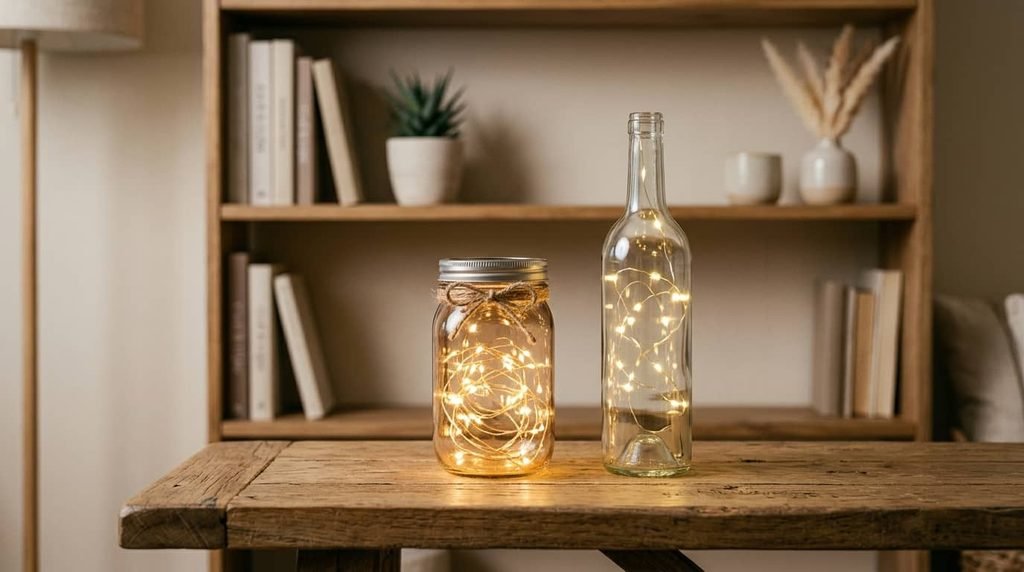
Simple projects include painted jars, handmade wall hangings, decorative paper garlands, customized photo frames, fabric cushions, and small tabletop ornaments. Glass jars can be transformed into storage containers or decorative holders by adding paint, ribbons, labels, or textured materials. Cardboard can be used to create lightweight decorative shapes, while fabric scraps can become small covers or accents. These projects encourage people to look at ordinary objects differently. Rather than throwing away materials that appear unnecessary, creators can consider whether they might be redesigned into something useful or attractive. Handmade decorations also make it easier to refresh a room without making significant changes.
Recycling and Crafting With Household Materials
For example, small cardboard boxes can be decorated and used to organize stationery, accessories, or household items. Empty jars may become containers for craft supplies, kitchen storage, or decorative displays. Old fabric can be transformed into cleaning cloths, simple patchwork decorations, or small handmade accessories. Even packaging materials can be used to create models, gift decorations, or creative display pieces. Recycling-based crafts are especially useful for families because they encourage children and adults to explore imagination while learning the value of reducing unnecessary waste. The most important step is to select clean, safe materials and use them creatively instead of purchasing new supplies for every project.
Crafting as a Relaxing Everyday Hobby
Creative hobbies can provide a welcome break from daily responsibilities. Crafting allows people to focus on one activity at a time, which may help them feel more relaxed and mentally refreshed. Activities such as coloring, arranging decorations, folding paper, painting small objects, or creating handmade cards can offer a peaceful experience. The repetitive movements involved in certain crafts may also help individuals enjoy a slower pace and become more attentive to the present moment.
Many people prefer hobbies that do not involve strict deadlines or competition. Crafting provides that freedom because projects can be completed according to personal schedules. A person may spend fifteen minutes decorating a notebook or dedicate an entire afternoon to creating a larger handmade object. There is no fixed expectation regarding how quickly a project should be completed. This flexibility makes creative hobbies easier to maintain alongside work, education, family responsibilities, and other commitments. The satisfaction of finishing even a small project can provide motivation to continue exploring new ideas.
Developing Creativity Through Small Projects
Creative skills usually develop through practice, experimentation, and curiosity rather than through perfection. Small craft projects offer an effective starting point because they allow people to learn individual techniques without feeling overwhelmed. Beginners can practice cutting paper accurately, mixing colors, arranging decorative elements, attaching materials, and creating simple patterns. Each completed project provides useful experience that can be applied to more challenging ideas later.
One helpful approach is to choose a project with only a few steps and gradually add personal details. For instance, a plain notebook can become a personalized journal with a decorated cover, colored borders, and handmade labels. A simple paper decoration can be improved with layered shapes, different textures, or contrasting colors. These small adjustments help creators understand how design choices affect the appearance of an object. Keeping completed projects nearby can also provide inspiration for future activities. Over time, people may discover that they naturally prefer certain styles, such as minimal designs, colorful decorations, floral patterns, recycled materials, or handmade accessories. Developing a creative identity makes crafting even more rewarding.
Crafting With Family and Friends
Crafting can become an enjoyable social activity when shared with family members, friends, or children. Instead of spending time together only through conversations or digital entertainment, people can work on simple projects that encourage collaboration. Activities such as making greeting cards, decorating picture frames, creating seasonal ornaments, or designing handmade gifts can provide opportunities to share ideas and learn from one another.
Family crafting sessions are particularly useful for encouraging children to explore their imagination. Children can choose colors, create simple drawings, arrange paper shapes, and decorate objects according to their interests. Adults can help with cutting, preparation, and the use of materials that require additional care. Crafting together also encourages patience and cooperation because participants may need to share supplies, wait for glue or paint to dry, and work through small challenges. The finished objects can become meaningful reminders of time spent together. Even simple creations may hold emotional value when they are made during a shared activity with people who matter.
Seasonal and Festive Craft Ideas
Celebrations also provide an opportunity to personalize decorations. Handmade birthday banners, party invitations, table decorations, and small gift tags can make special occasions feel more thoughtful. These projects do not need to be expensive or complicated. A few basic materials combined with creative planning can produce attractive results. Seasonal crafting can also become a tradition that people look forward to every year. Repeating a favorite project while changing its colors, shapes, or details helps maintain the tradition while allowing fresh ideas to develop. Such activities make celebrations more personal and encourage creativity throughout the year.
Organizing Craft Supplies Efficiently
A comfortable crafting environment can make creative activities easier and more enjoyable. People do not necessarily need a dedicated craft room, but keeping materials organized can reduce preparation time and help prevent unnecessary purchases. Small boxes, jars, baskets, folders, and drawer organizers can be used to store supplies according to their types. Paper can be kept flat, ribbons can be arranged in containers, and frequently used tools can be placed within easy reach.
Before beginning a project, it is helpful to collect the required materials and prepare a clean working surface. This simple step allows creators to concentrate on the activity instead of searching for supplies during the process. Organizing materials also makes it easier to identify items that can be reused. Leftover paper, fabric pieces, buttons, and other small supplies may become useful for future projects. An organized space does not need to look professional or expensive. Even a small desk or dining table can become a creative workspace when it is arranged thoughtfully and cleaned after each activity.
Choosing Materials and Tools for Light Crafts
The materials used in light crafts lwmfcrafts projects should be selected according to the purpose, difficulty level, and intended result. Beginners can start with a small collection of basic supplies, including scissors, glue, pencils, paper, cardboard, colors, a ruler, and decorative items. These materials are enough for many simple projects and can be expanded as creative interests develop. Purchasing everything at once is unnecessary because many activities can be completed with supplies already available at home.
It is also important to choose materials that are suitable for the project. Thick cardboard works better for sturdy organizers, while lightweight paper is appropriate for folding and decorative shapes. Fabric may be useful for soft accessories, and washable colors can be convenient for projects involving children. When using scissors, adhesives, or other tools, creators should follow appropriate safety precautions. Children should be supervised when working with sharp tools, hot glue, or materials that could present a safety risk. Selecting the right supplies helps projects become easier, more practical, and more enjoyable.
Making Crafting a Sustainable Habit
Building a creative habit does not require spending hours every day on projects. A few minutes of regular activity can be enough to keep imagination active and make crafting a natural part of everyday life. People can choose a specific time during the week, prepare a small collection of supplies, and select projects that fit their schedules. Having a simple plan helps reduce the pressure of deciding what to create whenever free time becomes available.
It can also be helpful to maintain a notebook of ideas. This notebook may include project names, color combinations, sketches, materials to reuse, and notes about techniques that worked well. Whenever inspiration appears, the idea can be written down for later. This prevents creative thoughts from being forgotten and makes it easier to choose a project when time is available. Some people prefer completing one project at a time, while others enjoy keeping several small activities ready to work on. The best approach is the one that feels enjoyable rather than demanding. Crafting should remain a source of relaxation, curiosity, and personal satisfaction.
Practical Benefits of Handmade Creations
Handmade crafts can provide more than entertainment because many projects produce objects that are useful in everyday life. Personalized organizers, decorated notebooks, reusable gift bags, simple storage containers, bookmarks, and household decorations are examples of creations that combine creativity with practical value. Making these objects at home allows people to adjust their size, appearance, and design according to their needs.
Handmade gifts can also be meaningful because they demonstrate personal effort and thoughtfulness. A decorated card, customized photo frame, small fabric accessory, or handmade ornament may feel more special than a generic item. Crafting can encourage people to consider the preferences of the recipient and create something connected to a shared memory, celebration, or interest. It may also help develop useful skills such as planning, measuring, organizing materials, solving problems, and paying attention to details. These skills can be valuable beyond crafting and may support other creative or practical activities. By combining enjoyment with useful outcomes, handmade projects become an appealing way to spend free time.
Finding Inspiration for New Craft Projects
Creative inspiration can be found in many places, including nature, home interiors, everyday objects, books, personal experiences, and seasonal surroundings. A walk outside may inspire a color palette based on flowers, leaves, or the sky. A household item may suggest a new way to organize materials, while an old photograph may inspire a handmade memory card. Looking at ordinary things with curiosity can help people discover ideas without needing to purchase new supplies or follow complicated instructions.
Another way to develop inspiration is to experiment with different creative styles. Someone who usually makes paper decorations might try simple fabric designs, painting, recycled-material projects, or handmade journals. Exploring unfamiliar techniques can help prevent hobbies from becoming repetitive. However, it is equally important to allow creativity to develop naturally. Not every idea needs to become a completed project, and not every experiment will produce the expected result. Sometimes an unsuccessful attempt provides a valuable lesson about materials, shapes, or techniques. Keeping an open mind and enjoying the process are important parts of creative exploration.
The Growing Appeal of Simple DIY Activities
The popularity of simple DIY activities reflects a growing interest in hobbies that are accessible, personal, and enjoyable. People increasingly appreciate experiences that allow them to create something meaningful without complicated requirements. Crafting fits this preference because it can be adapted to different ages, interests, budgets, and lifestyles. Whether someone enjoys decorating, recycling, painting, designing, or making gifts, there is always an opportunity to explore a new creative idea.
The appeal of light crafts lwmfcrafts lies in the freedom to begin with simple activities and gradually discover new possibilities. These projects can be completed at home, shared with others, or enjoyed individually during free time. They also encourage a more thoughtful relationship with everyday materials by showing how ordinary objects can become useful or decorative creations. As people continue exploring creative hobbies, simple handmade projects remain a valuable way to introduce imagination, personal expression, and enjoyable learning into daily routines.
Conclusion
Crafting is a rewarding hobby that combines creativity, relaxation, learning, and practical usefulness. It allows people to transform ordinary materials into decorative objects, handmade gifts, organizers, and personalized creations while enjoying the process of making something themselves. From simple paper crafts and recycled-material projects to seasonal decorations and creative home accessories, there are countless ways to explore artistic ideas without requiring expensive supplies or advanced skills.
Light crafts lwmfcrafts represents the enjoyable side of creative living, where simple projects can encourage imagination and help people discover new interests. Beginners can start with basic materials, experiment with different techniques, and gradually develop confidence through regular practice. Crafting can also strengthen relationships when shared with family and friends, encourage responsible reuse of materials, and provide a relaxing break from busy routines. Ultimately, the value of handmade creativity is not measured by perfection but by the enjoyment, learning, and personal meaning that each project brings. Starting with one small idea may be all it takes to develop a lasting creative hobby.

