
Introduction
Prayer is an important part of everyday life for Muslims, offering an opportunity to pause, reflect, express gratitude, and strengthen their relationship with Allah. In Dubai, a city known for its modern lifestyle, business activity, cultural diversity, and Islamic heritage, daily prayer remains deeply connected to the routines of residents and visitors. The five obligatory prayers are observed throughout the day, creating meaningful moments of spiritual reflection between work, education, family responsibilities, and personal activities. Understanding the prayer schedule helps Muslims organize their daily lives while remaining connected to their religious commitments.
The concept of time prayer Dubai is especially relevant for people who live in the city, travel there for business, or visit the UAE for holidays. Prayer times are determined by the position of the sun, which means they change gradually throughout the year. Sunrise, sunset, geographical location, and calculation methods all influence the daily schedule. Learning how these timings work can make it easier to observe prayers on time, plan activities responsibly, and appreciate the spiritual rhythm of life in Dubai.
Understanding the Five Daily Islamic Prayers
Islam requires Muslims to perform five obligatory prayers every day. These prayers are Fajr, Dhuhr, Asr, Maghrib, and Isha. Each prayer has a specific time window based on the movement of the sun, and observing them regularly is an important aspect of Islamic faith and discipline. Rather than being limited to a particular setting, salah can be performed in mosques, homes, workplaces, designated prayer rooms, and other clean locations where prayer is appropriate.
The five prayers create a balanced spiritual routine throughout the day. Fajr begins before sunrise, Dhuhr takes place after midday, Asr is observed during the afternoon, Maghrib begins after sunset, and Isha is performed during the night. These daily moments encourage Muslims to step away from distractions and reconnect with their faith. In a busy city such as Dubai, where work schedules and social activities can become demanding, prayer provides a consistent structure that supports mindfulness, patience, and spiritual awareness.
Fajr: Beginning the Day With Faith
Fajr is the first obligatory prayer of the day and is performed during the early morning hours before sunrise. Its timing begins with true dawn, when the light of morning starts spreading across the horizon, and ends when the sun rises. For many Muslims, waking up for Fajr requires commitment, especially during months when sunrise occurs early. However, the quiet atmosphere of the morning offers a special opportunity for reflection, supplication, and peaceful worship before daily responsibilities begin.
In Dubai, early mornings can feel particularly calm compared with the busy atmosphere later in the day. Residents who observe Fajr often prepare by sleeping earlier, setting alarms, and arranging their morning routine around prayer. Some people visit nearby mosques, while others perform salah at home. After prayer, individuals may read the Quran, engage in dhikr, exercise, prepare breakfast, or get ready for work. Beginning the day with worship can help establish a sense of purpose, calmness, and gratitude that carries into other activities.
Dhuhr: Midday Prayer and Daily Responsibilities
Dhuhr is the second obligatory prayer and begins after the sun passes its highest point in the sky. It is generally observed during the midday period, although its exact timing changes throughout the year. For professionals, students, business owners, and people managing household responsibilities, Dhuhr offers an important opportunity to pause during the busiest part of the day. It reminds Muslims that spiritual obligations remain meaningful even when work and other commitments demand attention.
Many offices, shopping centres, educational institutions, hotels, and commercial buildings in Dubai provide prayer rooms or designated spaces for worship. These facilities help individuals perform Dhuhr without needing to travel far from their daily activities. Planning a short break around the prayer window can make it easier to maintain a consistent routine. Instead of viewing prayer as an interruption, many Muslims see it as a valuable moment to refresh their minds, regain perspective, and continue their work with renewed concentration and patience.
Asr: Maintaining Spiritual Discipline in the Afternoon
Asr is the third obligatory prayer and is performed during the afternoon. Its beginning is determined by the length of shadows in relation to objects and the calculation method followed. There are differences between the standard and Hanafi methods for determining Asr timing, so prayer schedules may show slightly different times depending on the selected calculation preference. Muslims generally follow the method recommended by their mosque, religious authority, or personal practice.
The afternoon can be a busy period in Dubai, with meetings, school pickups, shopping, commuting, and other activities taking place simultaneously. Observing Asr encourages people to remain mindful of their faith despite the pressures of the day. Some individuals use workplace prayer rooms, while others visit a nearby mosque during a break. Keeping a prayer mat accessible, checking the daily timetable, and allowing enough time for wudu can help make afternoon prayer more convenient. Consistency is often easier when prayer is included naturally in a daily schedule instead of being left until the last moment.
Maghrib: Prayer at Sunset
Maghrib begins immediately after sunset and is one of the prayers with a relatively short beginning period compared with some other daily prayers. The timing is connected directly to sunset, making it easy to understand why the schedule changes as the seasons progress. In Dubai, sunset can provide beautiful views of the city’s skyline, beaches, desert surroundings, and waterfront areas, but Muslims observing Maghrib prioritize the prayer during its prescribed time.
The transition from daylight to evening is a meaningful moment for many people. Families may gather at home, individuals may return from work, and restaurants or community spaces may become busier. During Ramadan, Maghrib becomes especially significant because it marks the time for breaking the fast. People often gather with relatives, friends, or community members for iftar before or after performing prayer. Outside Ramadan, Maghrib also offers a natural pause between daytime responsibilities and evening activities, encouraging gratitude and reflection at the end of the day.
Isha: Ending the Day With Worship
Isha is the fifth and final obligatory prayer of the day. It begins after twilight has disappeared, although the exact calculation can differ depending on the method used. For many residents of Dubai, Isha is performed after dinner, evening errands, family time, or other activities. The prayer provides an opportunity to slow down and reflect on the experiences of the day before preparing for rest.
Observing Isha regularly can help establish a peaceful nighttime routine. Muslims may perform the prayer at a mosque, at home, or in another suitable location. Some also perform additional voluntary prayers, read Quranic passages, or make personal supplications afterward. Establishing a routine that includes Isha and a reasonable bedtime can support better organization and prepare individuals for waking up in time for Fajr the following morning. This connection between the final and first prayers helps create a continuous cycle of spiritual awareness.
Why Prayer Times Change Throughout the Year
Prayer times are based on the apparent movement of the sun, so they are not fixed throughout the calendar year. The Earth’s tilt and its movement around the sun influence daylight duration, sunrise, sunset, and the position of the sun at different times. As a result, Fajr and Isha can move noticeably across seasons, while Dhuhr, Asr, and Maghrib also experience gradual changes.
Dubai experiences relatively warm weather throughout much of the year, but daylight patterns still change between winter and summer. During winter, mornings may become later and evenings arrive earlier. During summer, sunrise and sunset generally shift earlier and later, respectively, depending on the date. These changes affect the daily prayer schedule and make it important to use an updated timetable rather than relying on remembered timings. Anyone searching for time prayer Dubai should consider the date as well as the location to ensure that the information is relevant to the day they intend to pray.
How to Check Accurate Prayer Timings in Dubai
Prayer schedules are available through several convenient sources, including mosque timetables, official religious websites, mobile applications, digital calendars, and local Islamic information services. The most reliable approach is to choose a source that clearly identifies Dubai as the location and provides the date for the schedule. Because timings change daily, checking the timetable in the morning or setting automatic notifications can help prevent confusion.
When reviewing a prayer timetable, it is helpful to confirm that the displayed times correspond to the correct time zone. Dubai follows Gulf Standard Time, which is UTC+4, throughout the year and does not currently observe daylight saving time. Travellers arriving from other countries should remember that their phone clocks, calendar entries, and personal prayer applications may require location updates. Accurate location settings are particularly important for people moving between Dubai, Abu Dhabi, Sharjah, and other cities because prayer timings may differ slightly according to geographical position.
The Role of Mosques in Dubai’s Community Life
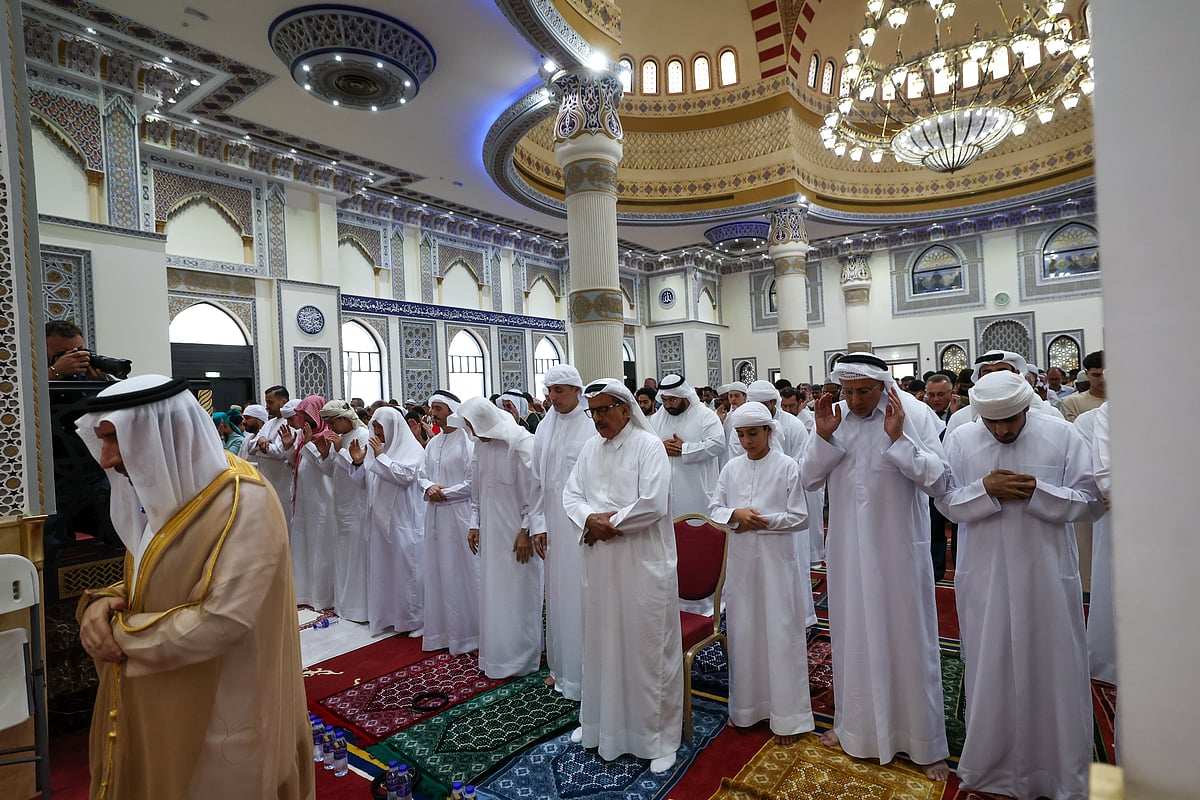
Mosques are an important part of Dubai’s cultural and religious environment. They serve not only as places where Muslims gather for obligatory prayers but also as centres for community connection, religious learning, and spiritual guidance. Throughout the city, mosques are located in residential neighbourhoods, commercial areas, public spaces, and near major roads. Their presence makes it easier for residents and visitors to find places for worship while going about their everyday activities.
The atmosphere of a mosque encourages a sense of belonging and equality. People from different backgrounds stand together in prayer, following the same movements and recitations. This shared experience reflects the community values associated with Islamic worship. Visitors who are unfamiliar with mosque etiquette can benefit from learning basic expectations, such as dressing modestly, keeping the prayer area clean, maintaining silence during prayer, and following the instructions of mosque staff. Respectful behaviour helps create a welcoming environment for everyone attending.
Planning Work and Travel Around Prayer
Dubai is an international business and tourism destination where people frequently move between offices, hotels, shopping districts, airports, and attractions. Planning daily activities around prayer times can make travel more comfortable for Muslim visitors. Before leaving a hotel, checking the prayer schedule and identifying nearby prayer facilities may prevent unnecessary delays. Many large public venues provide dedicated prayer rooms, allowing people to observe salah without leaving the location.
Business professionals can also incorporate prayer into meeting schedules by allowing reasonable breaks. A meeting that runs through an entire prayer window may create unnecessary difficulty for participants who need time to worship. Similarly, travellers can plan sightseeing activities with flexibility rather than filling every hour of the day. A thoughtful schedule that includes prayer, meals, transportation, and rest can make a trip more balanced. When planning time prayer Dubai, visitors should also remember that local mosque congregational prayers may follow schedules or arrangements that differ from individual timetable applications.
Prayer During Ramadan in Dubai
Ramadan is one of the most spiritually significant months of the Islamic calendar, and the daily prayer routine becomes especially meaningful during this period. Muslims fast from dawn until sunset, avoiding food and drink during fasting hours while focusing on worship, charity, patience, and personal reflection. The five obligatory prayers remain central to daily life, and many people increase their Quran reading, supplications, and participation in community activities.
During Ramadan, Maghrib marks the time to break the fast, often with dates and water followed by a meal shared with family or friends. Mosques become particularly active in the evenings as people attend Isha and Taraweeh prayers. Dubai is known for its Ramadan atmosphere, with community iftars, charitable initiatives, special events, and cultural traditions taking place across the city. The prayer schedule during Ramadan is therefore especially important because it helps people organize fasting, meals, worship, work, and rest. Residents often rely on updated timetables to coordinate their routines throughout the month.
Practical Tips for Maintaining a Consistent Prayer Routine
Maintaining five daily prayers can become easier with a few practical habits. Preparation is particularly useful for individuals who work long hours, travel frequently, study, or have family responsibilities. A routine that combines planning, reminders, and flexibility can help prevent missed prayers and reduce unnecessary stress.
-
Use reliable reminders: Set notifications for each prayer through a trusted timetable or application.
-
Prepare for prayer: Keep suitable clothing and a prayer mat accessible when necessary.
-
Plan work breaks: Arrange meetings, appointments, and errands with prayer windows in mind.
-
Identify prayer facilities: Find nearby mosques or designated prayer rooms before travelling.
-
Stay consistent: Make prayer a regular part of the day instead of treating it as an occasional activity.
-
Check the daily schedule: Timings change with the seasons, so use an updated timetable.
These simple practices can make religious observance more manageable without requiring major changes to everyday life. The goal is to develop a sustainable routine that supports faith while allowing individuals to fulfil their personal and professional responsibilities.
Understanding Differences in Prayer Calculation Methods
Prayer timetables may sometimes display slightly different times for the same prayer, particularly Fajr, Isha, and Asr. These differences are usually connected to calculation methods, astronomical angles, or the religious method selected by the timetable provider. Islamic scholars and communities may follow different established approaches, which is why one application might show a prayer time a few minutes earlier or later than another.
For example, Fajr and Isha calculations can use different twilight angles, while Asr can be calculated according to standard or Hanafi shadow conventions. These variations do not necessarily mean that a timetable is incorrect. They may reflect legitimate differences in calculation settings. Residents should select a trusted timetable that matches the guidance followed by their local mosque or religious authority. For congregational prayer, following the mosque’s announced timing is generally a practical approach. Understanding these differences helps people avoid unnecessary confusion when comparing prayer schedules online.
Technology and the Modern Prayer Routine
Technology has made it easier for Muslims to maintain their daily worship in busy urban environments. Smartphones, digital calendars, prayer applications, smart watches, and online schedules can provide reminders and help users organize their day. Many applications include features such as Qibla direction, Quran reading, Hijri dates, notifications, and location-based prayer schedules. These tools are particularly useful for newcomers, international visitors, and people whose daily routines change frequently.
However, technology should be used thoughtfully. Users should ensure that location permissions are correct, notification settings are enabled, and the selected calculation method is appropriate. A device may display incorrect timings if it uses a previous location or an unsuitable calculation setting. For anyone checking time prayer Dubai, verifying the city and date is a simple but important step. Digital reminders are helpful, but they are best combined with awareness of the local mosque schedule and personal religious practice.
The Spiritual Benefits of Observing Prayer on Time
Observing salah regularly can encourage discipline, mindfulness, gratitude, and emotional balance. Each prayer creates a moment to pause and remember that life is not limited to professional achievements, financial goals, or everyday concerns. Muslims turn toward Allah through recitation, movements, and supplications, seeking guidance and expressing humility. This repeated practice can encourage individuals to approach challenges with patience and develop a greater sense of responsibility toward others.
Prayer also creates a rhythm that can help people organize their time more effectively. Instead of spending the entire day moving from one task to another without a break, individuals have regular opportunities to reflect and reset their priorities. In Dubai’s fast-moving environment, these moments can be valuable for maintaining a balanced perspective. Whether prayer takes place in a mosque, home, workplace, or another suitable location, its significance comes from sincere devotion and the intention to fulfil one’s religious obligations.
Common Questions About Prayer Times in Dubai
1. How many prayers are performed daily in Dubai?
Muslims perform five obligatory prayers daily: Fajr, Dhuhr, Asr, Maghrib, and Isha. Each prayer has its own prescribed time based on the sun’s position. These prayers are observed throughout Dubai by residents, workers, students, and visitors.
2. Why do prayer timings change every day?
Prayer timings change because the sun’s position and the length of daylight vary throughout the year. Earth’s seasonal movement affects sunrise, sunset, twilight, and the timing of the midday sun. Therefore, prayer schedules are adjusted according to astronomical calculations.
3. Where can visitors pray in Dubai?
Visitors can pray in mosques, hotel prayer rooms, shopping mall prayer facilities, airports, workplaces, and other suitable clean locations. Many public facilities in Dubai provide designated spaces for Muslim worshippers.
4. Are prayer times the same throughout the UAE?
Prayer times are similar across the UAE but may differ by a few minutes depending on the city and geographical location. Dubai, Sharjah, Abu Dhabi, Ajman, and other emirates may have slightly different schedules, so users should select their correct location.
5. How can I receive daily prayer reminders?
You can use a trusted prayer-time application, digital calendar, smartwatch, or mobile notification service. Make sure your location is set to Dubai and the calculation method matches your preferred religious guidance.
6. Why are mosque prayer times sometimes different from applications?
Mosques and applications may use different calculation methods, adjustment settings, or congregation schedules. A mosque may also announce a specific time for congregational prayer after the prayer window begins. Following your local mosque’s guidance can help maintain consistency.
Conclusion
Prayer is a meaningful part of Muslim life, bringing spiritual awareness, discipline, gratitude, and peace into everyday routines. In Dubai, the five daily prayers remain an important connection between religious tradition and modern urban living. From the quiet moments of Fajr to the peaceful conclusion of Isha, each prayer offers an opportunity to reflect, strengthen faith, and maintain balance between personal responsibilities and spiritual commitments.
Understanding time prayer Dubai helps residents and visitors plan their activities, travel, work, and family schedules more effectively. Since timings change throughout the year, checking an updated daily timetable is essential for accurate observance. By using reliable schedules, respecting mosque traditions, and developing consistent prayer habits, Muslims can maintain a meaningful worship routine wherever they are in the city. Ultimately, prayer is not simply about following a clock; it is about creating regular moments of remembrance, sincerity, and connection with Allah throughout the day.