
Introduction
Banking has become easier and more convenient because of technological advancements that allow people to manage their money without visiting a bank branch. One of the most important inventions in modern banking is the Automated Teller Machine, commonly known as an ATM. These machines are available in many locations, including shopping centers, railway stations, airports, markets, and bank premises. They help customers withdraw cash, check account balances, and perform other banking activities quickly and efficiently.
Understanding the full form of ATM is useful for students, professionals, banking customers, and anyone interested in financial technology. ATMs have transformed traditional banking by providing access to essential services beyond normal banking hours. Although withdrawing cash is their most familiar function, many modern machines offer several additional services. Learning about their meaning, working process, advantages, limitations, and safety measures helps people use them more effectively in everyday life.
What Is the Full Form of ATM?
The full form of ATM is Automated Teller Machine. It is an electronic banking device that allows customers to complete certain financial transactions without direct assistance from a bank employee. The term describes a machine designed to automate services traditionally provided by a bank teller.
An ATM generally works with a debit card, an ATM card, or another supported authentication method. Customers enter their personal identification number, commonly called a PIN, to verify their identity before performing transactions. Depending on the machine and the bank, users may withdraw cash, check account balances, print mini statements, change their PIN, and access other services.
The full form of ATM highlights its primary purpose: automating basic banking operations. These machines save time, reduce the need to visit bank branches, and provide convenient access to cash. Their exact functions depend on the financial institution, the machine’s capabilities, and the services available through the customer’s account.
How Does an ATM Work?
An ATM operates through a combination of hardware, software, communication networks, and banking systems. When a customer inserts a card or uses another supported access method, the machine reads the relevant information and requests authentication. The customer then enters a PIN, which is securely processed according to the bank’s security procedures.
After authentication, the customer selects a transaction, such as withdrawing cash or checking an account balance. The ATM communicates with the bank’s systems through a secure network to verify the account details and determine whether the requested transaction is permitted. For cash withdrawals, the system checks relevant conditions, including the available balance and applicable transaction limits.
If the transaction is approved, the ATM dispenses cash or provides the requested information. The banking system records the transaction, and the machine may offer a receipt. If the request cannot be completed, the machine usually displays an error message. This automated process makes banking faster and more accessible while maintaining security checks.
Main Uses of an ATM
ATMs provide several useful services that help customers manage their finances independently. Their most common purpose is cash withdrawal, but their functions have expanded as banking technology has developed.
The first major use is withdrawing money. Customers can access available funds without visiting a bank counter. Another important service is balance inquiry, which allows account holders to check how much money is available in their accounts. Many machines also provide mini statements showing recent transactions, helping customers monitor their spending.
Some ATMs support PIN changes, mobile number updates, cash deposits, fund transfers, and bill payments. However, these features are not available on every machine. Deposit-enabled ATMs and cash recycler machines can accept banknotes, count them, and process deposits according to the bank’s procedures.
For students and working professionals, ATMs offer convenience during busy schedules. They are especially useful when customers need cash outside ordinary branch hours. Understanding the full form of ATM also helps explain why these machines remain an important part of everyday banking despite the growing popularity of digital payments.
Different Types of ATMs
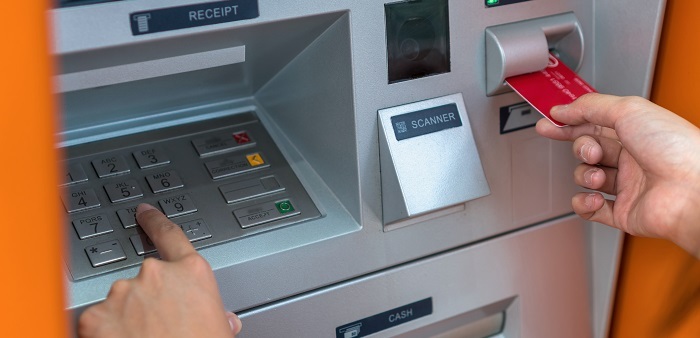
ATMs come in different forms depending on their location, ownership, and functions. Understanding these categories helps customers identify the services they can expect from a particular machine.
1. On-Site ATMs
On-site ATMs are located within bank branches or on the same premises. They provide convenient access to cash and other supported services for customers visiting the bank. Some locations offer additional assistance when a machine experiences a problem because bank staff may be nearby during working hours.
2. Off-Site ATMs
Off-site ATMs are installed away from bank branches. They may be found in shopping malls, airports, hospitals, markets, and other public locations. Their main purpose is to make banking services available where people frequently travel, shop, or work.
3. Bank-Owned ATMs
Bank-owned ATMs are operated by banks to serve their customers and, where permitted, customers of other participating institutions. The available services and applicable fees depend on the bank’s policies and relevant banking regulations.
4. Cash Deposit ATMs
Cash deposit ATMs allow customers to deposit money into eligible accounts. Some machines can process deposits directly, while others use cash recycling technology to accept and dispense banknotes. Customers should follow the on-screen instructions and retain transaction receipts when available.
5. White-Label ATMs
White-label ATMs are operated by authorized non-bank entities rather than being owned directly by a traditional bank. In India, these machines function within the applicable regulatory framework and connect customers to banking services through supported networks.
Advantages of Using an ATM
ATMs provide several benefits that have made them an essential part of modern financial services. One of their greatest advantages is convenience. Customers can access cash without standing in a bank branch queue, which saves time and simplifies routine transactions.
Another important benefit is extended availability. Many ATMs operate around the clock, although access may be affected by maintenance, security restrictions, or the operating hours of the premises where the machine is installed. This availability is particularly helpful when people require cash during evenings, weekends, or holidays.
ATMs also reduce the workload associated with routine transactions at bank counters. Customers can complete basic tasks independently, allowing bank employees to focus on services that require personal assistance. In addition, machines located in public places can improve access to banking services for people who live far from branches.
The full form of ATM reflects the automation behind these advantages. By combining electronic systems with secure banking networks, ATMs make several common financial activities faster and more accessible.
Disadvantages and Limitations of ATMs
Although ATMs are useful, they also have certain limitations. The most common issue is that a machine may run out of cash, become temporarily unavailable, or stop working because of a technical fault. Such problems can inconvenience customers who depend on immediate access to money.
Transaction limits are another limitation. Banks may restrict the amount that customers can withdraw in one transaction or during a particular period. These limits vary depending on the bank, account type, card, and applicable policies. Some transactions may also involve fees after a customer’s free transaction allowance has been used.
Security risks must also be considered. Criminals may attempt card skimming, shoulder surfing, or other methods to obtain confidential information. Customers who enter their PIN carelessly or respond to fraudulent messages may expose themselves to financial loss.
ATMs also cannot replace every banking service. Complex matters such as certain account disputes, loan applications, and detailed financial advice may require assistance through a bank branch or another official channel. Therefore, ATMs are best viewed as one component of a broader banking system.
ATM Safety Tips Everyone Should Follow
Safe ATM usage requires awareness and careful habits. Customers should choose machines in well-lit, secure locations and check the card slot, keypad, and surrounding area for anything unusual. If a machine appears tampered with, it is better to avoid using it and report the concern to the relevant bank.
Always cover the keypad while entering your PIN. Never share your PIN, one-time password, or other confidential banking credentials with anyone, including people claiming to be bank representatives. Genuine bank staff should not ask customers to disclose their PIN.
Customers should also avoid accepting unsolicited help from strangers when a card becomes stuck or a transaction fails. Instead, contact the bank through an official customer service channel. If cash is not dispensed but the account is debited, keep the transaction details and report the issue promptly.
After completing a transaction, collect your card, cash, and receipt if one is issued. Review account messages and statements regularly to identify unfamiliar transactions. These precautions help protect financial information and reduce the risk of fraud.
The Role of ATMs in Modern Banking
ATMs continue to play an important role in the banking industry, even as mobile banking applications, internet banking, and digital payment systems become more popular. They provide a practical connection between electronic banking services and physical cash, which remains useful for many purchases and everyday financial needs.
In India, ATMs support customers across urban and rural areas, although availability and service quality differ by location. They are especially valuable in places where visiting a bank branch may require additional travel. Their presence also helps customers access cash when digital payment options are unavailable or unsuitable.
Modern banking technology has introduced features such as contactless card access, improved monitoring systems, enhanced encryption, and more sophisticated fraud detection. The availability of these features varies across banks and machines. Some ATMs also support transactions using cardless authentication or other digital methods.
As banking continues to evolve, ATMs are likely to remain relevant by adapting to customer needs. Their role may increasingly focus on secure cash access, deposits, and selected self-service functions rather than serving only as cash withdrawal machines.
Difference Between an ATM and a Debit Card
An ATM and a debit card are related, but they are not the same thing. An ATM is the electronic machine that processes banking transactions, while a debit card is a payment instrument that can be used to access eligible account services.
A debit card can usually be used at an ATM to withdraw money or check an account balance. It may also be used for purchases at supported payment terminals and for eligible online transactions, depending on the card’s features and settings.
An ATM does not necessarily require the same access method in every situation. Some machines support cardless transactions through bank-approved authentication methods. Similarly, a debit card can be used for transactions other than ATM withdrawals.
Understanding this difference helps customers recognize the separate roles of banking equipment and payment instruments. Both contribute to convenient access to funds, but each performs a different function within the financial system.
Why Is Knowing the Full Form of ATM Important?
Learning the full form of ATM builds basic financial literacy. It helps students answer general knowledge questions, prepare for school examinations, and understand common banking terminology. It is also useful for people beginning to use banking services independently.
Knowing what an ATM does can help customers make informed decisions about withdrawing cash, checking balances, and protecting their account information. It also encourages people to understand transaction limits, service charges, and the importance of keeping their PIN confidential.
For job seekers preparing for competitive examinations or banking interviews, the term may appear in questions about financial awareness and everyday technology. A basic understanding of ATMs also provides a starting point for learning about digital banking, payment networks, and electronic financial services.
The full form of ATM is simple to remember, but its importance extends beyond the expansion of the abbreviation. It represents a major development in making banking services more accessible, efficient, and convenient for people with different financial needs.
Frequently Asked Questions (FAQs)
1. What is the full form of ATM?
ATM stands for Automated Teller Machine. It is an electronic banking machine that allows customers to perform supported transactions, such as cash withdrawals and balance inquiries, without visiting a bank counter.
2. Can an ATM be used 24 hours a day?
Many ATMs are available 24 hours a day, but availability is not guaranteed. Machines may be temporarily unavailable because of maintenance, cash shortages, technical problems, or restrictions at the location.
3. Is an ATM card the same as a debit card?
Not always. An ATM card may be designed primarily for ATM transactions, while a debit card often supports both ATM access and purchases. The actual functions depend on the card and the issuing bank.
4. Can money be deposited through an ATM?
Yes, if the machine supports cash deposits. Customers should check whether the selected ATM offers this service and follow the instructions displayed on its screen.
5. Is it safe to withdraw money from an ATM?
Using an ATM can be safe when customers follow basic precautions. Cover the keypad, protect your PIN, inspect the machine for suspicious attachments, and report unauthorized transactions to your bank promptly.
Conclusion
The full form of ATM is Automated Teller Machine, an electronic device that has made everyday banking more convenient and accessible. It enables customers to withdraw cash, check account balances, review recent transactions, and use other services supported by their banks. By reducing the need to visit bank branches for routine tasks, ATMs save time and provide greater flexibility.
Despite their benefits, ATMs have limitations, including transaction restrictions, occasional technical problems, and potential security risks. Customers should therefore use them carefully, protect their banking credentials, and report suspicious activity immediately. As digital banking continues to develop, ATMs will remain valuable for cash access and selected self-service transactions. Understanding their purpose and safe usage helps people manage their money confidently and make better use of modern banking facilities.