
Introduction
Physical fitness has become an important part of modern life because people spend more time sitting, working on computers, travelling, and using digital devices. These habits can reduce daily physical activity and make it difficult to maintain a healthy lifestyle. Exercise, proper nutrition, and adequate rest are essential for supporting the body, improving energy levels, and developing healthier habits. A gym is one of the most popular places where people participate in structured exercise activities, work on their strength, and improve their overall physical condition.
Many people search for the full form of gym when they want to understand what the word means and why gyms have become popular among students, working professionals, athletes, and fitness enthusiasts. The word gym is commonly associated with exercise facilities that contain equipment such as treadmills, dumbbells, weight machines, stationary bicycles, and other fitness tools. However, a gym is not only a place for lifting weights. It can also support cardiovascular training, flexibility, mobility, endurance, and general wellness. Understanding the meaning of gym can help beginners feel more confident about starting their fitness journey.
What Is the Full Form of Gym?
The commonly searched full form of gym is “Gymnasium.” However, it is important to understand that gym is not technically an abbreviation made from the first letters of several words. Instead, it is a shortened form of the word gymnasium. A gymnasium is a place or facility designed for physical exercise, sports, training, and other fitness-related activities. The word has historical roots in ancient Greek culture, where physical education played an important role in the development of athletic skills and the preparation of individuals for sporting competitions.
In modern usage, the term gym usually refers to an indoor fitness centre where people perform exercises using equipment, bodyweight movements, and structured workout programs. Some gyms focus mainly on strength training, while others offer cardio exercises, group classes, yoga, functional training, and personal coaching. Therefore, the meaning of gym has expanded beyond a traditional exercise room and now represents a complete fitness environment where people can work toward different physical goals.
Meaning and Origin of the Word Gym
The word gym comes from the term gymnasium, which has connections to the ancient Greek word gymnasion. In ancient Greece, gymnasiums were important places for physical training, athletic development, education, and social interaction. Young men trained their bodies, practised sports, and participated in activities that encouraged discipline and physical development. These institutions were not simply exercise centres because they also served as places for learning, discussion, and cultural activities.
Over time, the concept of gymnasium developed in different countries and cultures. Educational institutions began using gymnasiums for indoor sports, physical education, and organised activities. Eventually, commercial fitness centres became increasingly popular, offering exercise equipment, weightlifting areas, personal training, and specialised programs. Today, the word gym is widely used to describe a fitness facility that supports individual exercise goals. Whether someone wants to improve stamina, develop strength, maintain body weight, or participate in sports training, a gym can provide a structured environment for regular physical activity.
Why Are Gyms Important in Modern Life?
Modern lifestyles often involve long working hours, limited movement, and irregular daily routines. Many people spend a large portion of their day sitting at desks, studying, driving, or using electronic devices. These habits can make it difficult to achieve sufficient physical activity. Gyms provide a convenient environment where individuals can dedicate time to exercise without depending entirely on outdoor conditions, available space, or home equipment.
A gym also helps people establish a regular workout routine. When exercise becomes part of a weekly schedule, it may become easier to develop consistency and maintain healthy habits. Fitness facilities often provide different equipment and workout areas that allow members to train various parts of the body. Beginners can start with basic movements, while experienced individuals can gradually increase the difficulty of their workouts. The availability of trainers and fitness classes can also provide motivation, guidance, and a sense of community. For many people, joining a gym is an opportunity to prioritise health and create a more balanced lifestyle.
Major Benefits of Going to the Gym
1. Improving physical strength
Strength training is one of the most common activities performed in gyms. Exercises such as squats, bench presses, rows, lunges, and dumbbell movements help develop muscular strength when performed correctly and consistently. Stronger muscles can make everyday activities such as carrying groceries, climbing stairs, lifting objects, and maintaining posture more manageable. Resistance training can also support muscle development and help people maintain physical function as they age.
2. Supporting cardiovascular health
Many gyms contain treadmills, exercise bicycles, rowing machines, elliptical machines, and other cardio equipment. These tools allow people to participate in activities that increase heart rate and improve endurance. Regular cardiovascular exercise can support heart and lung health, improve stamina, and make daily movement feel easier. Individuals can select activities according to their fitness level and gradually increase exercise duration or intensity.
3. Supporting healthy weight management
Physical activity contributes to energy expenditure and can play an important role in weight management. Gym workouts may combine resistance exercises, cardiovascular activities, and movement-based training. When exercise is supported by balanced nutrition, sufficient sleep, and realistic lifestyle habits, it can help people work toward sustainable weight-related goals. It is generally more beneficial to focus on long-term health and consistency rather than expecting immediate changes in body appearance.
4. Improving flexibility and mobility
Fitness routines can include stretching, mobility exercises, yoga, and controlled movements that support flexibility. These activities may help people move more comfortably and maintain a wider range of motion. Mobility work is especially useful for individuals who spend long periods sitting or performing repetitive activities. A balanced workout routine should include more than lifting weights or running because flexibility and movement quality are also important parts of physical fitness.
5. Supporting mental well-being
Exercise can positively influence mood, stress management, and overall well-being. Physical activity provides an opportunity to take a break from work, study, and other responsibilities. Many people find that regular exercise helps them feel more energetic, confident, and mentally refreshed. Gym routines may also provide a sense of achievement as individuals learn new movements, improve their performance, and develop discipline. Exercise is not a replacement for professional mental health care, but it can be a helpful part of a healthy lifestyle.
Different Types of Gyms
Gyms are available in different formats to meet the needs of people with different interests, budgets, fitness levels, and training goals. Some facilities are designed for general fitness, while others focus on bodybuilding, sports performance, yoga, or specialised training. Understanding these categories can help people select a facility that matches their requirements.
1. Traditional Fitness Gyms
Traditional fitness gyms are among the most common types of exercise facilities. They usually contain cardio machines, free weights, strength-training machines, benches, stretching areas, and other equipment. Members can follow their own exercise routines or receive assistance from trainers. These gyms are suitable for people who want to improve general fitness, develop strength, maintain an active lifestyle, or work toward specific fitness goals.
2. Strength Training and Weightlifting Gyms
Strength-focused gyms are designed for people interested in building muscle, increasing strength, and improving lifting performance. They may contain barbells, weight plates, squat racks, power racks, benches, dumbbells, and specialised lifting equipment. These facilities often attract bodybuilders, powerlifters, and people who enjoy resistance training. Proper exercise technique and gradual progression are important for achieving results while reducing the risk of injury.
3. Cardio and Endurance Gyms
Cardio-focused fitness centres offer equipment and programs designed to improve endurance and cardiovascular fitness. Treadmills, cycling machines, rowing equipment, stair-climbing machines, and elliptical trainers are common examples. These facilities may be suitable for people who enjoy walking, running, cycling, and endurance-based activities. Cardio exercise can also be included in a balanced fitness routine alongside strength training.
4. Boutique Fitness Studios
Boutique studios generally focus on particular exercise styles or specialised fitness experiences. They may offer yoga, Pilates, dance workouts, indoor cycling, boxing fitness, circuit training, or group strength classes. These studios often provide instructor-led sessions in smaller groups. Their specialised environment can appeal to people who prefer structured classes, personalised attention, or a particular form of exercise.
5. Sports Training Centres
Sports training facilities are designed to help athletes and sports enthusiasts improve specific physical abilities. They may include areas for sprinting, agility drills, jumping exercises, strength training, balance activities, and sport-specific movements. Athletes may use these centres to develop speed, coordination, power, endurance, and overall performance. Training programs are generally adjusted according to the sport, age, experience, and goals of the individual.
Common Equipment Found in a Gym
Treadmills
Treadmills are machines used for walking, jogging, or running indoors. They allow users to control speed and incline according to their exercise requirements. Beginners can start with comfortable walking, while more experienced individuals may use faster speeds or incline settings to challenge their endurance. Treadmills are popular because they provide an accessible way to perform cardiovascular exercise in different weather conditions.
Dumbbells
Dumbbells are versatile weights used for a wide variety of exercises. They can be used for shoulder presses, curls, chest exercises, lunges, rows, and many other movements. Dumbbell training allows individuals to exercise one side of the body at a time and adjust the resistance according to their strength. They are commonly used by beginners as well as experienced fitness enthusiasts.
Barbells
Barbells are long metal bars designed to hold weight plates. They are used in compound movements such as squats, deadlifts, bench presses, and overhead presses. Barbell exercises can train several muscle groups simultaneously and are frequently included in strength-training programs. Beginners should learn the correct technique and use suitable weights before attempting heavy lifts.
Resistance Machines
Resistance machines are designed to guide movement through a specific exercise pattern. Examples include leg presses, chest presses, lat pulldowns, leg extensions, and seated rows. They may be useful for beginners who are learning exercise movements or individuals who prefer guided resistance training. Users should adjust the seat, handles, and resistance settings according to their body size and exercise ability.
Exercise Bikes and Elliptical Machines
Stationary bikes and elliptical trainers are used for cardiovascular workouts. Exercise bikes provide a cycling movement, while elliptical machines allow users to move their legs in a smooth pattern with reduced impact compared with running. Both can be used for warm-ups, endurance training, or general exercise. Their resistance and intensity settings can be adjusted to suit different fitness levels.
How Beginners Can Start Going to the Gym
Starting a gym routine can feel intimidating, especially when someone is unfamiliar with exercise equipment or workout techniques. The best approach is to begin with simple activities and gradually build confidence. Beginners should not feel pressured to lift heavy weights, perform complicated movements, or copy the routines of experienced athletes. The purpose of the first few weeks is to learn basic exercises, understand the facility, and develop a regular habit.
A beginner may start with a short warm-up, a few simple strength exercises, and light cardio. For example, a routine may include walking on a treadmill, performing bodyweight squats, using a chest-press machine, practising seated rows, and finishing with gentle stretching. The workout should be comfortable enough to allow proper technique. As strength and endurance improve, exercise duration, resistance, or repetitions can be increased gradually. Beginners who have medical concerns, injuries, or long periods of inactivity may benefit from consulting a qualified health professional before starting a new exercise program.
Basic Gym Workout Routine for Beginners
A beginner’s routine should include exercises that train different muscle groups without making the workout unnecessarily complicated. Full-body training can be a practical starting point because it allows people to learn basic movement patterns while exercising several parts of the body. A simple routine can include a warm-up, strength exercises, light cardio, and a cool-down.
| Exercise | Main focus | Beginner approach |
|---|---|---|
| Treadmill walking | Cardio and endurance | 5–10 minutes |
| Bodyweight squats | Legs and lower body | 2 sets of 8–12 |
| Chest press machine | Chest, shoulders, arms | 2 sets of 8–12 |
| Seated row | Back and arms | 2 sets of 8–12 |
| Dumbbell shoulder press | Shoulders | Light weight, controlled reps |
| Plank | Core stability | Short comfortable holds |
| Gentle stretching | Flexibility | 5 minutes |
The routine should be adjusted according to an individual’s physical ability, comfort, and recovery. It is not necessary to complete every exercise during the first session. Beginners can start with fewer movements and gradually introduce additional exercises. Rest days are also important because muscles and other tissues need time to recover after training. A routine that feels manageable and enjoyable is more likely to become a long-term habit than an overly demanding workout.
Gym Safety Rules Everyone Should Follow

Safety should always be a priority when exercising. Before beginning a workout, individuals should spend a few minutes warming up to prepare their muscles and joints for physical activity. A warm-up may include walking, light cycling, gentle mobility exercises, or movements related to the planned workout. Starting with heavy weights or intense exercise without preparation may increase discomfort and the likelihood of poor technique.
People should select weights that they can control comfortably. Exercises should be performed with steady movement rather than rushing through repetitions. If someone experiences sharp pain, dizziness, unusual breathing difficulties, or other concerning symptoms, they should stop exercising and seek appropriate medical advice. Equipment should be used according to its instructions, and people should ask a trainer for help if they are unsure how a machine works. Staying hydrated, wearing appropriate clothing, using suitable footwear, and allowing enough recovery time are also important parts of safe gym training.
Gym Etiquette for a Better Workout Environment
Gym etiquette refers to the basic behaviours that help maintain a clean, respectful, and comfortable environment for everyone. Fitness centres are shared spaces, so members should be considerate of other people using equipment and workout areas. Simple habits can make the facility more pleasant and prevent unnecessary conflicts.
Members should return weights to their proper locations after finishing exercises, avoid occupying machines for unnecessarily long periods during busy hours, and wipe down equipment after use. Personal belongings should not block walkways or exercise areas. People should also respect others’ personal space, avoid interrupting someone during a set, and ask politely before sharing equipment. Maintaining cleanliness and following the facility’s rules helps create a positive atmosphere where beginners and experienced members can exercise comfortably.
How to Choose the Right Gym
Choosing the right gym can make a significant difference in maintaining a consistent fitness routine. The location should be convenient enough to visit regularly, whether it is near home, a workplace, or an educational institution. Opening hours are also important because they should fit the individual’s daily schedule. A facility that is easy to reach and available at suitable times may encourage more consistent attendance.
Before purchasing a membership, people should check the available equipment, cleanliness, ventilation, trainer qualifications, safety practices, membership fees, and cancellation policies. Beginners may prefer a gym that offers introductory guidance or personal training sessions. Some people enjoy busy facilities with extensive equipment, while others prefer smaller centres with fewer members and a quieter atmosphere. Visiting the gym before joining can help someone understand the environment and decide whether it suits their needs. Selecting a gym based on convenience, comfort, affordability, and safety is often more practical than choosing one only because it looks impressive.
The Role of Nutrition and Recovery in Fitness
Exercise is only one part of maintaining a healthy lifestyle. Nutrition, sleep, hydration, and recovery are equally important for supporting physical performance and general well-being. People who regularly exercise should aim to eat balanced meals that include suitable amounts of carbohydrates, protein, healthy fats, fruits, vegetables, and other essential nutrients. Food choices should support individual needs rather than rely on extreme diets or unnecessary restrictions.
Protein plays a role in muscle repair and maintenance, while carbohydrates provide energy for physical activity. Healthy fats support various body functions, and fruits and vegetables contribute vitamins, minerals, and fibre. Drinking enough water throughout the day is important, particularly during exercise or hot weather. Sleep also allows the body to recover from physical and mental activity. Individuals who train intensely without adequate rest may feel exhausted or struggle to maintain their workout routine. A balanced approach to exercise, nutrition, and recovery is more sustainable than focusing exclusively on training.
Common Myths About Going to the Gym
There are several misunderstandings about exercise that can discourage beginners or create unrealistic expectations. One common myth is that people must spend several hours in the gym every day to achieve meaningful results. In reality, consistent and appropriately planned physical activity can be beneficial without requiring excessive workout time. The quality, regularity, and suitability of exercise matter more than simply spending long hours at a fitness centre.
Another misconception is that lifting weights is only for bodybuilders or people who want large muscles. Resistance training can benefit many individuals by supporting strength, movement, physical function, and general fitness. Some people also believe that sweating heavily means a workout is more effective. However, sweating is mainly a way for the body to regulate temperature and is not a direct measurement of exercise success. Fitness goals should be based on health, performance, consistency, and realistic progress rather than misleading comparisons or social media expectations.
Gym for Students and Working Professionals
Students can benefit from exercise because physical activity provides a healthy break from academic responsibilities and screen time. A regular workout routine may help students develop discipline, improve physical fitness, and maintain an active daily schedule. Students who participate in sports or other physical activities may also learn important habits such as teamwork, patience, goal setting, and consistency. However, exercise schedules should be balanced with study time, sleep, and other responsibilities.
Working professionals often face challenges related to long hours of sitting, busy schedules, and limited opportunities for movement. A gym can provide a convenient place to exercise before work, during free time, or after office hours. Even relatively short workouts can be useful when performed regularly and combined with other daily activities such as walking, taking stairs, and stretching. Professionals should select routines that fit their schedules rather than creating plans that are too demanding to maintain. Regular exercise can become a practical part of a balanced lifestyle when it is planned realistically.
How to Track Fitness Progress
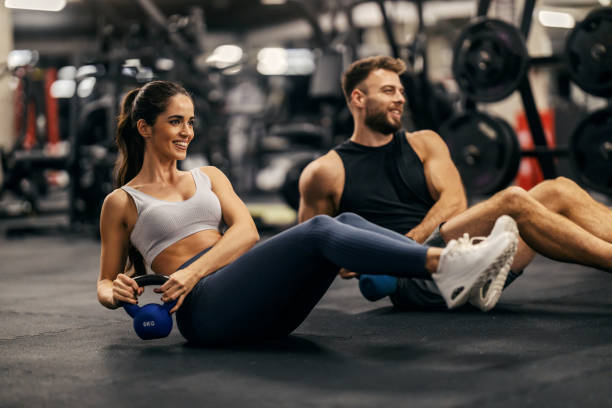
Tracking progress can help people understand whether their exercise routine is becoming more consistent and effective. Beginners can record the number of workouts completed each week, the exercises performed, the weights used, and the duration of cardio sessions. These records make it easier to notice gradual improvements in strength, endurance, movement quality, and confidence. Tracking does not need to be complicated; a notebook or basic fitness journal can be sufficient.
It is also useful to set realistic goals. Someone starting a gym routine might aim to exercise two or three times each week, learn a few basic exercises, or walk for a longer duration without feeling overly tired. Progress can vary from person to person, and improvements may not always be visible immediately. Rather than comparing themselves with others, individuals should focus on their own achievements and maintain a consistent approach. Small improvements over time can create a strong foundation for long-term fitness.
Frequently Asked Questions (FAQs)
1. What is the full form of gym?
The commonly accepted full form of gym is gymnasium. Gym is a shortened version of the word gymnasium, which refers to a place where people participate in physical exercise, sports, and fitness activities. In modern usage, it usually means a fitness centre containing exercise equipment and workout facilities. The term is not technically an acronym.
2. Is gym an abbreviation or an acronym?
Gym is a shortened word rather than an acronym. It comes from gymnasium, which has historical connections to ancient Greek physical training facilities. Although people frequently search for the full form of gym, the word does not represent a sequence of separate words formed from initial letters. It is simply a shorter way of referring to a gymnasium.
3. Can beginners join a gym?
Yes, beginners can join gyms and start exercising according to their fitness levels. They should begin with basic movements, light resistance, and manageable exercise sessions. Learning correct techniques, asking trainers for guidance, and gradually increasing workout intensity can help beginners develop confidence. There is no need to perform advanced exercises during the first few sessions.
4. How many days should a beginner go to the gym?
Many beginners can start with two or three exercise sessions per week, depending on their health, schedule, and fitness level. The routine should allow enough time for recovery between demanding workouts. As individuals become more comfortable and their fitness improves, they can adjust their frequency and exercise duration according to their goals.
5. Is a gym necessary for staying fit?
No, joining a gym is not necessary for everyone. People can improve their fitness through walking, running, cycling, home workouts, sports, bodyweight exercises, dancing, and other physical activities. A gym provides access to equipment, structured training, and professional guidance, but the most important factor is choosing activities that can be performed regularly and safely.
6. What should someone carry to the gym?
A basic gym bag may include comfortable workout clothes, suitable shoes, a water bottle, a small towel, personal hygiene items, and a workout plan. Some people also carry a notebook or use a fitness app to track their exercise sessions. The items needed may vary depending on the type of workout and the gym’s rules.
Conclusion
The word gym is commonly understood as a shortened form of gymnasium, a place associated with physical exercise, sports, training, and fitness activities. Although people often search for the full form of gym, the term is not a formal acronym. It represents a fitness environment where individuals can work toward improving strength, endurance, flexibility, mobility, and general health.
Gyms have become an important part of modern lifestyles because they provide access to exercise equipment, training programs, professional guidance, and opportunities to develop consistent fitness habits. Whether someone is a student, working professional, athlete, or beginner, exercise can be incorporated into daily life according to individual needs. The most important principles are to start gradually, exercise safely, eat balanced meals, get sufficient rest, and remain consistent. Fitness is not about achieving perfection in a short time; it is about making positive choices and maintaining healthy habits throughout life.