
Introduction
Banking has become more convenient and accessible with the development of modern technology. People no longer need to visit a bank branch every time they want to withdraw cash, check their account balance, or perform basic financial transactions. One of the most important innovations that has made everyday banking easier is the Automated Teller Machine, commonly known as an ATM. These machines are available in banks, shopping centres, railway stations, airports, markets, and other public locations, helping customers access their money whenever they need it.
The full form of ATM is Automated Teller Machine. It is an electronic banking device that allows customers to perform several financial activities using a debit card, credit card, or other approved banking authentication methods. ATMs have transformed the way people manage their money by reducing dependence on bank employees and providing convenient access to banking services outside traditional working hours. They are especially useful for people who need cash urgently or prefer quick banking services.
What Is the Full Form of ATM?
The full form of ATM is Automated Teller Machine. The word “automated” refers to a process performed by a machine with minimal human involvement, while “teller” refers to a bank employee who traditionally handles customer transactions. The term “machine” describes the electronic equipment that performs these banking functions.
An ATM is designed to provide customers with a self-service banking facility. Instead of standing in a queue at a bank counter, customers can insert their debit card, enter their personal identification number, and select the service they want. Depending on the machine and the bank, users may withdraw cash, check account balances, print mini statements, change their PIN, or complete other available transactions.
The technology behind ATMs connects the machine to banking networks and financial institutions. When a customer requests cash, the ATM communicates with the bank to verify account details, confirm available funds, and approve or decline the transaction. If approved, the machine dispenses the requested amount and records the transaction electronically.
Meaning of Automated Teller Machine
An Automated Teller Machine is a computer-controlled banking device that performs specific financial operations without requiring direct assistance from a bank teller. It combines software, hardware, communication systems, security technologies, and cash-handling equipment to provide banking services.
ATMs are generally connected to banking networks through secure communication channels. These networks allow machines to process transactions involving cards issued by different banks, depending on the supported network and transaction rules. Customers can use their cards at many ATMs that are not operated by their own bank.
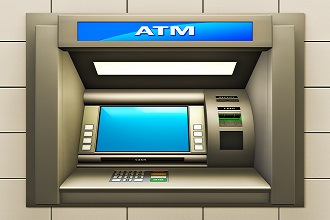
The machine usually contains a card reader, keypad, display screen, cash dispenser, receipt printer, and security system. Modern ATMs may also include contactless card readers, biometric authentication, deposit facilities, touchscreen interfaces, and accessibility features.
The main purpose of an ATM is to make banking faster and more convenient. It allows customers to access essential financial services without visiting a bank branch or waiting for a teller to become available.
History and Development of ATMs
The history of automated banking began when financial institutions started exploring ways to provide customers with self-service access to cash. During the twentieth century, banks gradually introduced machines that could distribute money outside normal business hours. Early systems were comparatively simple and often used special tokens or paper-based authentication methods.
As computer technology and banking networks improved, ATMs became more advanced. Magnetic-stripe cards, electronic account verification, PIN-based authentication, and network connectivity helped make automated cash withdrawal systems more practical for widespread use. Banks began installing machines in locations where customers could access them conveniently.
Over time, ATMs evolved from cash-dispensing machines into multifunctional banking terminals. Some machines now support deposits, fund transfers, bill payments, cheque services, mobile banking integration, and other operations. Their development reflects the wider transformation of financial services through digital technology.
Today, ATMs continue to play an important role in banking, even as mobile payment applications, internet banking, and digital wallets have become increasingly popular.
How Does an ATM Work?
An ATM works through a combination of electronic communication, customer authentication, account verification, and mechanical cash dispensing. When a customer inserts a card, the machine reads the information stored on the card or uses another supported authentication method. The customer then enters a PIN to confirm their identity.
After authentication, the ATM displays available banking services. If the customer selects cash withdrawal, they enter the amount they want to withdraw. The machine sends the transaction request to the bank through a secure network. The bank checks the account balance, card status, withdrawal limits, and other necessary conditions before approving or rejecting the request.
If the transaction is approved, the ATM activates its cash-dispensing mechanism and releases the requested amount. The machine may also print a receipt showing transaction details. The account balance is updated according to the banking system’s processing rules.
This process usually takes only a few seconds, although the time may vary depending on network speed, machine performance, and banking systems.
Main Parts of an ATM
An ATM contains several important components that work together to complete banking transactions. Each part has a specific function, and the machine cannot operate efficiently without proper coordination between them.
1. Card Reader
The card reader is responsible for reading information from the customer’s debit or credit card. Traditional machines use magnetic-stripe readers, while newer machines may support chip-based cards and contactless technology. This component helps the ATM identify the card and communicate with the banking network.
2. Keypad
The keypad allows customers to enter their PIN, withdrawal amount, and other information. It is designed to provide a simple interface for selecting services and completing transactions. Some modern ATMs use touchscreen displays instead of traditional keypads.
3. Display Screen
The display screen shows instructions, available services, transaction options, and confirmation messages. It guides customers through each step of the banking process and helps them understand what action is required.
4. Cash Dispenser
The cash dispenser is one of the most important components of an ATM. It stores banknotes in separate compartments and releases the correct amount when a transaction is approved. Sensors help the machine count and verify the notes before dispensing them.
5. Receipt Printer
The receipt printer provides a printed record of transactions. Customers may use receipts to confirm withdrawals, deposits, balance inquiries, or other activities. Some ATMs offer digital receipts instead of printed ones.
6. Security System
ATMs include security mechanisms such as cameras, alarms, encrypted communication, access controls, and tamper-detection systems. These features help protect customers, banking information, and cash stored inside the machine.
Important Uses of ATMs

ATMs provide several services that help customers manage their money independently. The availability of services depends on the bank, ATM model, and supported banking network.
Cash Withdrawal
Cash withdrawal is the most commonly used ATM service. Customers can withdraw money from their bank accounts whenever the machine is available and operational. This service is useful when people need cash for shopping, transportation, emergencies, or daily expenses.
Balance Inquiry
Customers can check their account balance through an ATM without visiting a bank branch. This feature helps people understand how much money is available in their accounts and plan their spending accordingly.
Mini Statement
Many ATMs provide mini statements showing recent transactions. These statements help customers review deposits, withdrawals, payments, and other account activities. It can be useful for keeping track of daily spending.
PIN Change
Some ATMs allow customers to change their debit card PIN. Changing a PIN periodically or after a security concern can help customers maintain better control over card access.
Cash Deposit
Deposit-enabled ATMs allow customers to deposit cash into eligible accounts. Some machines count and verify banknotes automatically, reducing the need to visit a teller counter.
Fund Transfer
Certain ATMs support transfers between eligible bank accounts. The availability of this feature depends on the financial institution and the machine’s capabilities.
Types of ATMs
ATMs come in different forms depending on their location, purpose, ownership, and services offered. Although many people use standard cash withdrawal machines, banking institutions operate several types of automated terminals.
Bank-Owned ATMs
Bank-owned ATMs are installed and managed by banks. They are commonly found outside bank branches, inside banking premises, or in locations selected by the financial institution. These machines may provide several services to the bank’s customers.
White Label ATMs
White Label ATMs are operated by non-bank companies under the applicable regulatory framework. They help expand ATM access in areas where banks may not have enough machines. Customers can use them with supported cards and banking networks.
Brown Label ATMs
Brown Label ATMs are machines where certain operational responsibilities, such as hardware management or location arrangements, may be handled by a service provider, while banking services and transaction processing are associated with a sponsoring bank. The specific arrangement varies.
Cash Deposit ATMs
Cash deposit machines allow customers to deposit banknotes directly into eligible accounts. Depending on the machine, deposits may be processed immediately or subject to verification and bank processing procedures.
Mobile ATMs
Mobile ATMs are installed in vehicles or temporary locations. They may be used during emergencies, public events, rural outreach programmes, or situations where regular banking infrastructure is unavailable.
Benefits of Using ATMs
ATMs offer many advantages to customers and financial institutions. Their widespread availability has helped make basic banking more accessible and efficient.
1. Convenience
Customers can access money without visiting a bank branch. ATMs are often located in busy areas, making them convenient for people who need cash while travelling, shopping, or handling everyday activities.
2. Availability Beyond Banking Hours
Many ATMs operate 24 hours a day, seven days a week, although individual machines may occasionally be unavailable due to maintenance, cash shortages, power problems, or network issues. Extended availability allows customers to complete transactions outside normal bank working hours.
3. Faster Transactions
ATM transactions generally take less time than traditional counter banking. Cash withdrawals and balance inquiries can often be completed within minutes, helping customers save time.
4. Reduced Banking Queues
By handling routine transactions, ATMs reduce pressure on bank branches. Customers who only need cash or account information can use self-service facilities rather than waiting in a teller queue.
5. Wider Banking Access
ATMs can provide essential banking services in locations far from major bank branches. They support customers living in smaller towns, rural areas, and communities with limited banking infrastructure.
6. Greater Financial Independence
Self-service banking allows customers to manage some financial activities independently. It can be particularly helpful for individuals who prefer flexible access to money without relying on branch staff.
ATM Services in India
ATMs play a significant role in India’s banking system. Banks, financial institutions, and authorised operators have established ATM networks across cities, towns, and rural areas. These machines support cash access for people who use debit cards, bank accounts, and other eligible banking services.
In India, customers may use ATMs to withdraw money, check account balances, obtain mini statements, change PINs, and access other services supported by the machine. Some ATMs also provide cash deposits and additional banking features.
ATM transactions are subject to bank policies, card network rules, account limits, and applicable charges. Customers should check their bank’s current transaction limits and fee structure, especially when using machines operated by other banks.
ATMs are particularly important in areas where cash remains widely used for everyday purchases. Although digital payments have expanded significantly, cash continues to be necessary for many businesses, services, and personal transactions.
ATM Security and Safety Tips
Although ATMs make banking convenient, customers should follow basic safety practices to protect their cards, PINs, and account information. Awareness of common risks can reduce the chances of fraud and unauthorised transactions.
-
Protect your PIN: Never share your PIN with anyone, including people claiming to be bank employees.
-
Cover the keypad: Use your hand to shield the keypad while entering your PIN.
-
Check the machine: Avoid using ATMs that appear damaged or have unusual attachments around the card slot or keypad.
-
Be aware of surroundings: Choose ATMs in well-lit, secure locations, especially when withdrawing cash at night.
-
Take your card and cash: Before leaving, make sure you have collected your card, money, and receipt if printed.
-
Avoid assistance from strangers: If the machine displays an error or your card gets stuck, contact your bank through official channels.
-
Report suspicious activity: Notify your bank immediately if you notice an unfamiliar transaction or suspect card misuse.
Customers should also avoid responding to messages or calls asking for their PIN, OTP, passwords, or confidential banking details.
Common Problems Faced While Using ATMs
ATMs are electronic devices and may occasionally experience technical problems. Customers can face difficulties even when their cards and accounts are functioning properly.
One common problem is cash unavailability. The ATM may run out of banknotes, especially during busy periods, weekends, holidays, or high-demand situations. Another issue is network failure, which may prevent the machine from communicating with the bank and processing transactions.
Customers may also experience card-reading errors, incorrect PIN attempts, transaction timeouts, receipt printer failures, or temporary machine shutdowns. Sometimes an account may be debited even though cash was not dispensed successfully. In such situations, customers should record the transaction details and contact their bank promptly.
If an ATM retains a card, customers should not attempt to open the machine or remove its internal components. They should follow the displayed instructions and contact the bank or ATM operator using an official contact number.
ATM vs. Bank Counter
ATMs and traditional bank counters serve different purposes. ATMs are designed for quick, routine, self-service transactions, while bank counters provide personal assistance for more complex financial matters.
| Feature | ATM | Bank Counter |
|---|---|---|
| Availability | Often extended or 24-hour access | Generally limited banking hours |
| Cash withdrawal | Self-service | Assisted by bank staff |
| Speed | Usually quick | May involve waiting |
| Personal assistance | Limited | Available |
| Account services | Selected basic services | Wider range of services |
| Convenience | Accessible at many locations | Available at branch locations |
ATMs are suitable for routine activities such as withdrawing cash or checking balances. Bank counters are more appropriate when customers need help with account documentation, complex enquiries, disputes, loans, or specialised banking services.
Both options remain important because they provide different levels of access and support.
Role of ATMs in Modern Banking
ATMs have helped banks move from branch-centred banking to a more flexible service model. By automating basic transactions, financial institutions can provide services to more customers without requiring every activity to be completed by an employee.
Automated banking also supports the growth of digital financial infrastructure. ATMs connect customers with banking networks, provide access to cash, and help maintain the relationship between traditional banking and electronic payment systems.
For customers, these machines offer independence and convenience. For banks, they help improve service efficiency and reduce the workload associated with routine transactions. For communities, ATMs can improve access to essential financial services, particularly where branch access is limited.
Even with the growth of mobile banking, ATMs remain useful because they provide physical cash and operate as an important connection between electronic banking and everyday financial needs.
Future of ATM Technology
The future of ATM technology is expected to focus on stronger security, improved accessibility, faster transactions, and better integration with digital banking services. Modern machines are increasingly designed to provide user-friendly interfaces and more secure authentication options.
Contactless transactions, cardless cash withdrawals, QR-based authentication, biometric technology, and improved fraud-monitoring systems are among the developments that may influence the next generation of ATMs. These features can make banking more convenient when implemented with suitable security controls.
Banks may also use data analytics and remote monitoring to identify cash shortages, technical faults, and unusual activity. Such systems can help improve ATM maintenance and reduce service interruptions.
The ATM is likely to remain relevant because cash continues to be an important payment method in many regions. As technology changes, automated banking machines may offer more advanced services while continuing to support the basic need for convenient access to money.
Frequently Asked Questions (FAQs)
1. What is the full form of ATM?
The full form of ATM is Automated Teller Machine. It is an electronic banking machine that allows customers to withdraw cash, check account balances, and perform other supported banking transactions without visiting a bank counter.
2. What is the main purpose of an ATM?
The main purpose of an ATM is to provide convenient self-service banking. It allows customers to access money and complete basic financial activities without depending on bank employees for every transaction.
3. Can I use an ATM 24 hours a day?
Many ATMs are available 24 hours a day, but availability depends on the location, security arrangements, maintenance schedule, power supply, and machine condition. Customers should remember that an ATM may temporarily be unavailable.
4. What is an ATM PIN?
An ATM PIN is a Personal Identification Number used to authenticate a cardholder during certain banking transactions. It is usually a confidential numeric code that customers should never share with others.
5. Are ATM transactions safe?
ATM transactions can be safe when customers use secure machines and follow recommended precautions. Protecting the PIN, checking for suspicious devices, avoiding strangers’ assistance, and reporting unusual transactions are important safety measures.
6. What is the difference between an ATM and a debit card?
An ATM is a physical electronic machine that provides banking services, while a debit card is a payment card connected to a bank account. A debit card can be used at ATMs and other supported payment terminals.
Conclusion
The full form of ATM is Automated Teller Machine, and it represents one of the most useful innovations in modern banking. ATMs provide customers with convenient access to cash, account information, and selected banking services without requiring them to visit a branch. Their ability to operate beyond traditional banking hours has made financial transactions easier, faster, and more accessible for millions of people.
From cash withdrawals and balance inquiries to deposits and other services, ATMs continue to support everyday financial activities. Although digital payment systems and mobile banking are growing rapidly, ATMs remain valuable because they connect electronic banking with physical cash requirements.
Understanding how ATMs work, their different types, benefits, limitations, and security practices can help customers use them more confidently. As technology continues to develop, ATMs are expected to become smarter, safer, and more integrated with modern banking systems, making them an important part of the future of financial services.