
Introduction
Fitness has become an important part of modern life as people increasingly recognize the value of maintaining physical strength, mental well-being, and a healthy lifestyle. Regular exercise helps individuals manage their weight, improve stamina, strengthen muscles, and develop better daily habits. One of the most popular places for physical exercise is a gym, where people can use specialized equipment, follow structured workout routines, and work toward their fitness goals. From beginners who want to become more active to athletes who need advanced training, gyms provide opportunities for people with different abilities and objectives.
Many students and fitness enthusiasts search for the full form of gym because they want to understand what the term means and how it relates to physical exercise. Although the word is commonly used as an abbreviation in everyday conversation, its origin and meaning are slightly different from what many people assume. Understanding this distinction provides a useful starting point for learning about fitness, exercise facilities, and the importance of physical activity in everyday life.
What Is the Full Form of Gym?
The word gym is commonly expanded as gymnasium, which refers to a place or facility designed for physical exercise, sports, fitness training, and other athletic activities. Strictly speaking, gym is a shortened form of the word gymnasium rather than an acronym formed from separate words. Therefore, it does not have an official letter-by-letter expansion like some educational or technical abbreviations.
A gymnasium can include equipment for strength training, cardiovascular exercise, stretching, and functional movement. Depending on its facilities, it may also provide space for indoor sports, group exercise classes, martial arts, and other physical activities. Modern commercial gyms generally focus on personal fitness and body conditioning, while school and college gymnasiums may also support sports training and physical education. Understanding the full form of gym helps clarify why the word is associated with exercise facilities and organized physical training.
What Does the Word Gym Mean?
The term gym refers to a location where people exercise to improve their physical condition, maintain fitness, or prepare for athletic performance. These facilities commonly contain equipment such as treadmills, stationary bicycles, dumbbells, barbells, weight machines, resistance bands, and exercise mats. Some gyms also offer professional trainers who help members understand exercise techniques and create suitable workout plans.
The meaning of a gym can vary according to its purpose and available facilities. A small neighborhood fitness center may focus mainly on basic strength training, while a larger fitness club might include swimming pools, yoga studios, group classes, and recovery facilities. School gyms often support physical education and indoor sports. Regardless of the setting, the central purpose remains similar: providing a suitable environment where individuals can participate in structured physical activity and develop healthier habits.
History and Origin of the Word Gym
The word gymnasium has historical roots in ancient Greece, where gymnasiums served as places for physical training, athletic preparation, and intellectual development. Physical exercise was considered an important element of education, and young men trained in activities such as running, wrestling, and other athletic disciplines. These spaces sometimes also supported discussions, teaching, and social interaction.
Over time, the concept of the gymnasium developed in different societies. Educational institutions introduced indoor facilities for physical education, while dedicated exercise centers gradually became more popular among the general public. During the twentieth century, commercial fitness clubs expanded as interest in bodybuilding, cardiovascular exercise, and general health increased. Today, gyms range from basic community facilities to technologically advanced fitness centers. This development reflects a broader understanding that regular physical activity can contribute to overall health, strength, mobility, and quality of life.
Importance of Going to the Gym
Regular exercise can help people maintain an active lifestyle and reduce the amount of time they spend sitting. Many modern occupations involve extended periods of desk work, computer use, or other sedentary activities. A gym provides a dedicated environment where individuals can set aside time for physical movement and follow a consistent exercise routine.
Going to a gym can also help people establish measurable goals. Someone may want to improve endurance, build muscle, increase flexibility, or simply become more physically active. By tracking workouts and gradually adjusting the difficulty of exercises, individuals can monitor their progress over time. However, joining a gym is not the only way to become fit. Walking, cycling, home workouts, dancing, and outdoor sports can also support physical health. The most important factor is choosing activities that are appropriate for individual abilities and maintaining a routine that can be followed consistently.
Major Health Benefits of Gym Exercise

Exercise offers several physical and mental health benefits when performed regularly and safely. The results depend on factors such as the type of exercise, intensity, frequency, nutrition, sleep, and an individual’s existing health condition. A balanced workout program combines different activities rather than concentrating exclusively on one form of training.
1. Improves Muscle Strength
Strength training helps muscles work against resistance, using equipment such as dumbbells, barbells, resistance bands, and weight machines. Over time, an appropriately designed program can improve muscular strength and endurance. Strong muscles make everyday activities, including carrying groceries, climbing stairs, and lifting objects, easier to perform. Beginners should start with manageable resistance, learn proper technique, and increase the difficulty gradually.
2. Supports Heart Health
Cardiovascular activities such as walking on a treadmill, cycling, rowing, and using an elliptical machine increase the body’s demand for oxygen. Regular aerobic exercise can improve cardiovascular fitness and help support healthy blood pressure and other important health indicators. People should choose an intensity that suits their current fitness level and gradually build their endurance.
3. Helps Manage Body Weight
Physical activity increases energy expenditure and can contribute to weight management. When combined with balanced nutrition and sufficient sleep, exercise can support gradual and sustainable changes in body composition. However, individual results vary, and body weight is influenced by several factors, including age, genetics, diet, and medical conditions. A balanced approach is generally more useful than extreme exercise routines or restrictive eating practices.
4. Strengthens Bones and Supports Mobility
Weight-bearing activities and suitable resistance exercises can support bone health and help maintain physical function. Exercises that improve balance, flexibility, and coordination can also make movement more comfortable. The appropriate routine depends on age, training experience, injuries, and individual health needs.
5. Supports Mental Well-Being
Physical activity can help reduce stress and improve mood for many people. Completing a workout may create a sense of achievement and provide a regular break from work or academic responsibilities. Exercise may also support better sleep and help people establish a more balanced daily routine. However, it should complement rather than replace professional care when someone experiences persistent mental health difficulties.
Different Types of Gyms
Gyms are designed for different needs, budgets, and fitness objectives. Understanding their differences can help individuals choose a facility that matches their preferences and goals.
Commercial Fitness Centers
Commercial gyms generally offer a broad selection of exercise equipment, including cardio machines, free weights, and resistance-training stations. Many provide membership plans, personal training, and group exercise sessions. They are suitable for people who want access to several forms of exercise in one location.
Strength Training and Bodybuilding Gyms
These facilities focus on resistance training, muscle development, and strength improvement. They may contain squat racks, benches, barbells, dumbbells, and specialized weight machines. People who prefer this environment should learn proper lifting techniques and use suitable loads to reduce the risk of injury.
Functional Fitness Gyms
Functional fitness facilities emphasize movements that develop coordination, balance, strength, and general physical capacity. Training may involve kettlebells, medicine balls, resistance bands, bodyweight exercises, and movement circuits. Workouts can be adapted for different levels of experience.
Women-Only Fitness Centers
Some facilities are designed specifically for women who prefer exercising in a women-only environment. These gyms may offer conventional strength and cardio equipment, group classes, and training programs tailored to members’ preferences.
Home Gyms
A home gym provides an alternative for people who prefer exercising at home. It may contain only a yoga mat and resistance bands or include a treadmill, adjustable dumbbells, and a weight bench. Home workouts can save commuting time, although space, equipment costs, and access to professional guidance may affect the experience.
Essential Gym Equipment and Its Uses
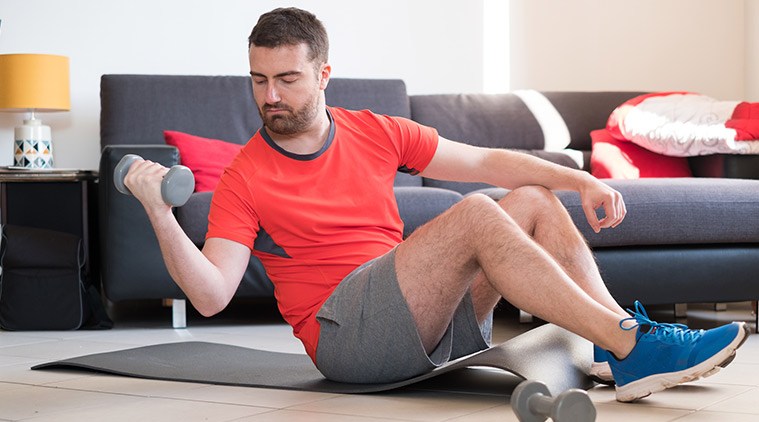
Exercise equipment allows people to train different muscle groups and develop cardiovascular endurance. Learning how equipment works is important before beginning a new routine.
| Equipment | Main purpose |
|---|---|
| Treadmill | Walking, jogging, and running |
| Stationary bicycle | Cardiovascular exercise |
| Dumbbells | Strength training and muscle development |
| Barbells | Compound lifts and progressive resistance training |
| Resistance machines | Targeted muscle exercises with guided movement |
| Resistance bands | Strength, mobility, and rehabilitation exercises |
| Exercise mat | Floor exercises, stretching, and core training |
| Rowing machine | Cardiovascular conditioning and full-body movement |
Beginners should ask a qualified trainer for help when unfamiliar with a machine or exercise. Adjusting equipment correctly, maintaining control, and using a manageable resistance are important safety practices. Equipment should also be used according to its instructions, and weights should be returned to their designated places after a session.
How Beginners Can Start a Gym Routine
Starting a fitness routine can feel challenging, particularly for people who have little previous exercise experience. A gradual approach makes the process easier to manage and helps establish consistent habits. Before beginning, individuals should identify a realistic goal, such as improving general fitness, increasing strength, or becoming more active during the week.
A beginner can start with two or three manageable training sessions per week, depending on personal circumstances and recovery needs. Each session may include a warm-up, basic resistance exercises, a short period of cardiovascular activity, and gentle cool-down movements. Learning proper technique should take priority over lifting heavy weights or completing an intense workout.
It is also helpful to record exercises, repetitions, duration, and how the session feels. These notes can show progress and highlight when a routine becomes too difficult. Beginners should allow adequate recovery between demanding sessions and avoid comparing their progress with experienced gym members. Consistency, patience, and appropriate training are more valuable than trying to achieve rapid results.
Safety Tips for Gym Members
Safety should remain a priority for everyone, regardless of experience. A suitable warm-up prepares the body for exercise, while controlled movements and correct technique help reduce unnecessary strain. Individuals should avoid lifting weights that they cannot control safely and should not sacrifice proper form to complete additional repetitions.
Hydration is important, particularly during longer sessions or exercise in warm conditions. Wearing suitable footwear and comfortable clothing can also improve stability and movement. Equipment should be checked before use, and gym members should follow facility rules and respect other people using shared spaces.
Pain, dizziness, chest discomfort, or unusual shortness of breath should not be ignored. Stop exercising if concerning symptoms occur and seek appropriate medical assistance, especially if symptoms are severe or persistent. People with existing medical conditions, significant injuries, or concerns about exercise intensity may benefit from professional medical advice before starting a demanding program.
Gym, Nutrition, and Recovery
Exercise is only one part of a balanced fitness routine. Nutrition, hydration, sleep, and recovery also influence how the body responds to physical activity. A balanced diet containing suitable amounts of protein, carbohydrates, healthy fats, vitamins, and minerals helps support normal bodily functions and exercise recovery.
Protein contributes to muscle maintenance and repair, while carbohydrates provide energy for many forms of exercise. Fruits, vegetables, whole grains, legumes, dairy products or suitable alternatives, and other nutritious foods can contribute to a varied diet. Individual requirements depend on factors such as age, activity level, health, and personal goals.
Sleep is equally important because the body needs time to recover from training. Exercising intensely every day without adequate rest may lead to excessive fatigue and reduced performance. A sustainable routine includes suitable recovery periods and adjustments when a person feels unusually tired. Supplements are not automatically necessary for gym progress, and individuals should prioritize a balanced diet and seek qualified advice when considering products with potential risks.
Common Myths About Going to the Gym
Several misconceptions can discourage beginners or create unrealistic expectations about exercise. One common myth is that lifting weights always makes a person excessively muscular. In reality, muscle development depends on training, nutrition, genetics, hormones, and time. Resistance training can be adjusted to support a wide range of goals, from general strength to competitive bodybuilding.
Another misconception is that people must exercise for several hours to receive benefits. Shorter sessions can be valuable when performed consistently and designed appropriately. The best duration depends on the activity, the individual’s goals, and their current fitness level.
Some people also believe that sweating heavily means more fat is being lost. Sweating mainly helps regulate body temperature, and temporary changes in weight after sweating largely reflect fluid loss. Finally, expensive gym memberships and advanced equipment are not essential for everyone. Walking, bodyweight exercises, cycling, and other accessible activities can also contribute to a healthy lifestyle.
Gym Exercise and Different Age Groups
Exercise needs change throughout life, so fitness activities should be suitable for each person’s abilities and circumstances. Children and teenagers can benefit from age-appropriate sports, active play, and supervised strength exercises when properly instructed. Their programs should emphasize movement skills, enjoyment, and safe technique rather than excessive training loads.
Adults may combine aerobic activity, resistance training, and mobility exercises to support general health and daily function. Older adults can benefit from activities that help maintain strength, balance, flexibility, and independence. Exercises may need modification for joint discomfort, reduced mobility, or other age-related concerns.
There is no single workout routine that works equally well for everyone. People should select activities they enjoy and can perform safely. When health concerns or physical limitations exist, a qualified professional can help adapt exercise choices to individual needs.
How to Choose the Right Gym
Choosing a suitable gym involves more than comparing membership prices. Location, cleanliness, equipment quality, operating hours, staff knowledge, and the overall atmosphere can influence whether a person maintains a regular routine. A conveniently located facility may make it easier to exercise consistently, while a gym with appropriate equipment can better support specific goals.
Before purchasing a membership, individuals should inspect the facility, ask about available training support, and review the contract carefully. It is useful to understand membership duration, cancellation conditions, additional fees, and whether trial sessions are available. The gym should provide clear safety procedures and maintain its equipment properly.
Personal comfort also matters. Some people prefer a quiet environment with free weights, while others enjoy group classes and social interaction. The best choice is a facility that meets practical needs, fits the budget, and encourages sustainable exercise habits.
Conclusion
Understanding the full form of gym helps explain the connection between the word gym and the term gymnasium, a place designed for physical exercise and athletic activities. Although gym is widely used as a shortened form of gymnasium, it is not technically an acronym with an official expansion for each letter.
Gyms provide access to equipment, structured workouts, and training guidance that can help people improve strength, cardiovascular fitness, mobility, and general physical conditioning. However, successful fitness habits do not depend entirely on expensive equipment or demanding routines. Regular movement, balanced nutrition, sufficient sleep, safe exercise techniques, and realistic goals are essential parts of a sustainable approach to health.
Whether someone chooses a commercial fitness center, a home workout area, or outdoor activities, consistency and personal suitability matter most. By starting gradually and building healthy habits over time, individuals can make physical activity a meaningful part of everyday life.

