
Introduction
Elections are an essential part of a democratic country because they allow citizens to choose their representatives and participate in government decisions. In India, the Election Commission of India (ECI) is responsible for conducting elections and maintaining accurate electoral rolls. To ensure that voter lists remain correct and up to date, the election authorities periodically review voter information through different revision processes. One important term associated with this process is SIR.
The full form of SIR in election is Special Intensive Revision. It refers to a detailed exercise undertaken by election authorities to verify and update electoral rolls. The process helps identify eligible voters, correct inaccurate information, and address entries that may no longer be valid. It is particularly important because an accurate voter list supports fair elections and helps eligible citizens exercise their voting rights.
Understanding SIR can help voters learn why electoral roll revisions take place, what information may be required, and how they can check their registration status. Although the process is administrative, it has a direct connection to democratic participation and the responsibility of maintaining reliable voter records.
What Is the Full Form of SIR in Election?
The full form of SIR in election is Special Intensive Revision. It is a voter-list revision exercise designed to examine electoral records more comprehensively than an ordinary update process. The objective is to improve the accuracy of electoral rolls by reviewing existing entries and verifying relevant voter details according to applicable election rules.
During an intensive revision, election officials may verify information about registered electors, examine household or individual records, and identify entries that require correction or further scrutiny. Depending on the applicable instructions, the process may involve enumeration forms, document verification, and assistance from designated election personnel.
SIR is different from a routine correction because it involves a more extensive review of the electoral roll within a specified period. However, the precise procedure, documents, deadlines, and verification requirements depend on the official directions issued for the relevant revision. Voters should therefore rely on current instructions from the Election Commission rather than assumptions or unofficial information.
Why Is Special Intensive Revision Important?
An accurate electoral roll is fundamental to conducting credible elections. If voter records contain outdated addresses, duplicate entries, spelling mistakes, or other inaccuracies, election authorities may face difficulties managing polling arrangements and ensuring that records reflect eligible electors correctly. A systematic revision can help address these issues.
Special Intensive Revision also provides an opportunity to review the details of existing voters and facilitate the inclusion of eligible citizens who may need to register under the applicable rules. Maintaining correct electoral rolls supports transparency, administrative efficiency, and public confidence in the electoral process.
Another important aspect is that voter registration information can change over time. People move to different locations, some citizens become eligible to register after reaching the required age, and personal details may need correction. A structured revision helps election authorities respond to these changes. At the same time, every verification process must follow legal safeguards and provide appropriate opportunities for affected individuals to respond to questions about their eligibility.
Main Objectives of SIR in Indian Elections
The primary objective of SIR is to improve the accuracy and completeness of electoral rolls. Election authorities need dependable records to determine which individuals are registered to vote in a particular constituency. A detailed review can help identify discrepancies that might otherwise remain unnoticed.
One objective is to verify existing voter entries. Authorities may review whether the information recorded for an elector remains accurate and whether the person is registered in the appropriate electoral area. Another objective is to identify duplicate or outdated entries and process them according to established legal procedures.
The revision may also help eligible citizens understand the steps required to register or correct their details. Nevertheless, the removal of an entry should not be treated as an automatic consequence of an unanswered communication or an apparent discrepancy without the procedures required by law. The rights of electors and the rules governing additions, deletions, and corrections remain important throughout the process.
How Does the SIR Process Work?
The process begins when the Election Commission issues instructions for a particular revision exercise. These instructions establish the applicable schedule, procedures, responsibilities of election officials, and requirements for voters. The details may differ depending on the area and the nature of the revision.
Election officials may distribute or collect enumeration forms and examine the details of registered electors. In some exercises, Booth Level Officers (BLOs) assist with verification and communication with households. Voters may be asked to confirm their information or provide documents where the applicable rules require them. People should carefully read the instructions provided with any official form before submitting information.
After information is collected, the electoral roll may be prepared or updated according to the announced procedure. Draft electoral rolls, where published, give voters an opportunity to inspect their details and identify discrepancies. The authorities may then process claims, objections, and corrections within the prescribed period before finalising the relevant roll.
Anyone who receives a verification notice should respond within the stated deadline and keep a record of submitted forms or acknowledgements. If there is uncertainty about the process, contacting an authorised election official is safer than relying on unverified messages circulating online.
Who Is Eligible to Vote in India?
Eligibility to vote in India is determined by election law. Generally, a person must be an Indian citizen, have attained the age of 18 years by the applicable qualifying date, satisfy the relevant legal conditions, and be registered in the electoral roll for the appropriate constituency. Being eligible in principle does not necessarily mean that a person is already registered.
The registration process involves providing the information required by the prescribed application and complying with applicable verification procedures. Citizens who have recently turned 18, changed their residence, or discovered an error in their voter details should check the relevant official process for registration or correction.
It is important to distinguish between voter eligibility and the verification of a particular electoral entry. A request for additional information does not, by itself, establish that someone is ineligible. Similarly, an individual should not assume that a previous voter ID card alone guarantees that every entry is current and correct. Checking the electoral roll and following official instructions can help voters identify issues early.
Documents and Information Required During SIR
The information or documents required during Special Intensive Revision depend on the instructions issued by the election authorities for that exercise. Voters should not assume that the same document list applies in every state or during every revision.
Depending on the applicable rules, election officials may ask voters to confirm personal details, residential information, or other particulars relevant to electoral registration. Specific supporting documents may be required in certain circumstances. Citizens should consult the official notification or the instructions supplied with the relevant form to determine what is acceptable.
Accuracy is particularly important when completing an enumeration or verification form. Names, dates, addresses, and other details should be checked carefully before submission. If a voter notices a discrepancy, the appropriate correction procedure should be followed rather than submitting inconsistent information.
People should also protect their personal information. Official requests should be verified before documents or sensitive details are shared. If a form is delivered by someone claiming to be an election official, voters can ask for identification or confirm the person’s role through authorised election channels. They should avoid sending personal documents to unknown numbers or unofficial websites.
Difference Between SIR and Summary Revision
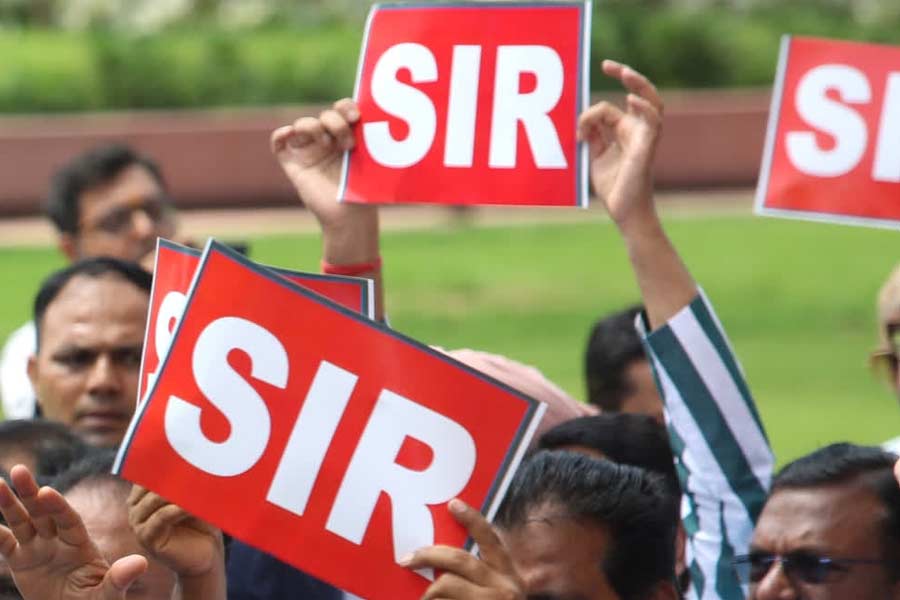
SIR and summary revision both relate to maintaining electoral rolls, but they differ in their scope and approach. A summary revision generally provides a scheduled opportunity to update the existing electoral roll, process applications, and make corrections under the relevant rules. It commonly relies on the prescribed application and claims-and-objections procedure.
A Special Intensive Revision involves a more comprehensive review according to the specific instructions issued for that exercise. Depending on those instructions, it may involve more extensive verification of existing records and additional steps for confirming voter information.
Neither process should be understood as operating outside election law. Both must follow the applicable legal framework and provide the procedures prescribed for registration, correction, and removal of entries. The exact distinction between a particular intensive exercise and a particular summary revision should be determined from the relevant official instructions rather than general descriptions alone.
For voters, the practical lesson is straightforward: read the notice carefully, confirm the applicable deadline, and complete the steps requested by the election authorities.
How Can Voters Check Their Names in the Electoral Roll?
Voters should periodically check whether their names and details appear correctly in the electoral roll, particularly before an election or after moving to a new address. The Election Commission provides official channels for checking electoral information and accessing relevant registration services.
A voter can look up their record using the identification or personal details supported by the official service. If the record is missing or contains an error, the person should review the applicable procedure for filing a claim, requesting a correction, or applying for inclusion. The appropriate process depends on the circumstances and the current instructions.
It is also helpful to keep acknowledgement receipts or reference numbers after submitting forms. These records can make it easier to follow up on an application. Voters should pay attention to published draft rolls and the period available for submitting claims or objections, where applicable.
If a person believes an entry has been incorrectly omitted or challenged, they should promptly contact the designated election authority and follow the prescribed procedure. They should not wait until election day to discover a registration problem, because the opportunity to resolve it may be limited by the applicable deadlines.
Benefits of SIR for the Electoral System
A well-conducted revision can improve the quality of voter records and help election administrators plan their work more effectively. Correct addresses and personal details can support better communication between election officials and electors. Reviewing electoral entries can also help authorities identify potential duplication and other inconsistencies that need attention.
Another benefit is greater awareness among citizens. When voters verify their records and understand how to request corrections, they can participate more confidently in the registration process. Clear communication from election authorities can reduce confusion and encourage eligible people to respond within the prescribed period.
However, the benefits depend on the quality of implementation. Verification must be accessible, information must be handled responsibly, and decisions affecting registration must follow due process. People who face difficulties because of language barriers, limited internet access, disability, migration, or missing documents may need clear guidance and appropriate assistance.
The success of an intensive revision should therefore be judged not simply by how many records are examined, but also by whether the process maintains accuracy while protecting eligible voters’ ability to participate.
Challenges and Concerns Related to SIR
Despite its administrative purpose, a large-scale voter-list revision can create practical challenges. Some people may be away from their registered homes, may not receive a notice, or may have difficulty understanding the required procedure. Others may have outdated addresses or differences in the spelling of their names across records.
Documentation requirements can also cause confusion when voters are uncertain about which evidence is acceptable. Misinformation may make matters worse, especially when unofficial messages claim that particular documents are universally mandatory or that a person’s voting rights will automatically disappear after a single missed communication.
Election authorities can help address these problems through clear notices, accessible assistance, reliable information channels, and transparent procedures for claims and objections. Voters can contribute by checking their details early, responding to official communications, and seeking clarification whenever instructions are unclear.
A fair revision process must balance accurate records with safeguards against the wrongful exclusion of eligible citizens. Public awareness, administrative accountability, and compliance with the law are therefore essential.
Common Questions About SIR in Elections
1. What is the full form of SIR in election?
The full form of SIR in election is Special Intensive Revision. It refers to a detailed electoral-roll revision exercise intended to verify and update voter records according to the applicable instructions and election laws.
2. Why is SIR conducted?
SIR is conducted to improve the accuracy and completeness of electoral rolls. It may help authorities verify existing entries, identify discrepancies, and process additions, corrections, or deletions through the prescribed procedures.
3. Does SIR mean that every voter must register again?
Not necessarily. The steps required depend on the instructions issued for the particular exercise. Voters should read official communications carefully to determine whether they need to submit a form, confirm information, provide documents, or take another action.
4. Can a voter’s name be removed during SIR?
Electoral entries may be changed or deleted when the applicable legal conditions and procedures are satisfied. A name should not be assumed to be removed automatically merely because a voter receives a notice or encounters a verification issue. Affected individuals should follow the prescribed claims, objections, and appeal procedures where applicable.
5. What should I do if my name is missing from the voter list?
Check the latest electoral roll through an official election service and contact the appropriate election authority if your entry is missing. Depending on your circumstances, you may need to apply for inclusion or follow another prescribed procedure within the relevant deadline.
6. Is SIR important for Indian democracy?
Yes. Accurate electoral rolls help election authorities administer elections and support the participation of eligible citizens. The process is most effective when verification is transparent, accessible, and conducted with appropriate safeguards for voters’ rights.
Conclusion
The full form of SIR in election is Special Intensive Revision, a process used to examine and update electoral rolls in accordance with the instructions of the Election Commission and applicable election laws. It plays an important role in maintaining accurate voter information, identifying discrepancies, and supporting the orderly administration of elections.
For citizens, understanding SIR is useful because voter registration details can change and official revision exercises may require timely action. Checking the electoral roll, responding to legitimate notices, completing forms accurately, and following published deadlines can help prevent avoidable problems. Anyone who has questions about eligibility, documentation, or a missing entry should seek guidance from an authorised election official.
Ultimately, an effective revision process must combine reliable records with fairness, transparency, and respect for eligible voters’ rights. Informed citizens and responsible election administration together help strengthen public confidence in India’s democratic system.