
Introduction
Modern life is filled with responsibilities, changing priorities, and everyday challenges that can sometimes make it difficult to maintain balance. From managing family commitments and household responsibilities to finding time for personal interests, people often look for simple ways to make their daily lives more organized and enjoyable. Small improvements in routines, communication, and personal habits can make a meaningful difference without requiring major lifestyle changes. Developing a more balanced approach to everyday living often begins with understanding what matters most and creating practical habits that support those priorities.
The concept of Tips Life Impocoolmom can be explored as a lifestyle-focused idea centered on practical advice, family awareness, personal development, and everyday problem-solving. It represents the value of learning useful tips that help people approach common situations with greater confidence and flexibility. Rather than focusing on perfection, this approach encourages realistic expectations, thoughtful decisions, and consistent progress. Whether someone is managing a busy home, working toward personal goals, or trying to improve their daily routine, simple ideas can help make life feel more manageable.
A positive lifestyle does not necessarily depend on expensive products, complicated plans, or dramatic changes. It often develops through small decisions repeated over time. Building healthier routines, keeping spaces organized, spending quality time with loved ones, and maintaining a positive outlook are all examples of practical steps that can support a better everyday experience. By focusing on achievable changes, individuals can create a lifestyle that feels more comfortable, productive, and fulfilling.
Understanding the Importance of Everyday Lifestyle Tips
Lifestyle tips are valuable because they help people find practical solutions to common challenges. Many individuals experience similar difficulties, including limited time, household stress, maintaining motivation, balancing work and family, and making healthy choices. Learning from simple suggestions can provide fresh perspectives and help people discover approaches that work better for their circumstances. Useful advice does not need to be complicated; sometimes a small adjustment to an existing habit can improve an entire day.
The most helpful lifestyle guidance is realistic and adaptable. Every household has different needs, schedules, financial circumstances, and personal priorities. A routine that works perfectly for one family may not suit another. Therefore, people should treat lifestyle suggestions as inspiration rather than strict rules. The goal is to identify ideas that make daily responsibilities easier while leaving enough room for individuality, flexibility, and personal preferences.
Another important aspect of lifestyle improvement is consistency. People sometimes feel motivated to change everything at once, but maintaining too many new habits can become overwhelming. Choosing one or two manageable improvements and practicing them regularly is often more effective. Gradually, these small changes can become part of everyday life, helping individuals develop greater confidence in their ability to manage responsibilities and make positive decisions.
Creating a More Organized Daily Routine
A well-organized routine can help reduce unnecessary stress and make everyday responsibilities easier to manage. When people have a general plan for their day, they can make better use of their time and avoid feeling constantly rushed. This does not mean scheduling every minute or following a rigid timetable. Instead, it involves identifying important tasks, establishing helpful habits, and creating a structure that supports daily activities.
Starting the morning with a few simple actions can create a positive foundation for the day. Making the bed, drinking water, preparing breakfast, reviewing important tasks, and spending a few quiet minutes getting ready can help people feel more prepared. A calm beginning may also make it easier to respond thoughtfully when unexpected responsibilities arise. Even a short morning routine can encourage a sense of stability.
Evening routines are equally valuable. Preparing clothes for the next day, organizing school or work materials, checking the household schedule, and tidying frequently used areas can reduce morning confusion. Families may also benefit from creating a shared calendar that records appointments, activities, deadlines, and important events. When everyone understands the basic schedule, responsibilities become easier to coordinate, and communication can improve.
Making Family Life More Meaningful
Family life involves many different responsibilities, but meaningful connections often develop through ordinary moments rather than special occasions. Eating meals together, sharing conversations, helping with small tasks, and spending time without distractions can strengthen relationships. Families do not always need expensive outings or elaborate activities to create positive memories. Simple experiences can provide opportunities for connection and understanding.
Communication plays an important role in maintaining healthy family relationships. Listening carefully, allowing everyone to express their feelings, and discussing disagreements respectfully can help prevent misunderstandings. Children, teenagers, and adults may all have different perspectives, and acknowledging those differences can encourage a more supportive household environment. Open communication also makes it easier for family members to ask for help when they need it.
Shared responsibilities can make family life more balanced. Instead of allowing one person to manage every household task, family members can participate according to their age, abilities, and schedules. Children can learn to organize their belongings, help prepare meals, or keep their study areas clean. Adults can coordinate responsibilities and communicate expectations clearly. Working together encourages cooperation and teaches valuable life skills.
Developing Healthy Habits for Everyday Wellness

Wellness is an important part of a balanced lifestyle because it affects energy, mood, concentration, and the ability to manage responsibilities. Healthy habits do not need to involve complicated routines or unrealistic expectations. Regular movement, balanced meals, sufficient sleep, hydration, and time for relaxation are practical foundations that many people can gradually incorporate into their lives.
Physical activity can be introduced in simple ways. Walking, stretching, cycling, dancing, gardening, or participating in recreational activities can help people remain active. Choosing enjoyable activities makes it easier to maintain consistency. Rather than focusing only on intense exercise, individuals can look for opportunities to move throughout the day, especially when spending long periods sitting at work or studying.
Nutrition also deserves thoughtful attention. Preparing meals at home can make it easier to understand ingredients and plan balanced food choices. Including a variety of vegetables, fruits, protein sources, grains, and other nourishing foods can support general well-being. Meal planning may also help families reduce food waste and avoid the stress of deciding what to cook at the last minute.
Sleep is another essential element of wellness. Establishing a regular bedtime, reducing unnecessary screen use before sleeping, keeping the bedroom comfortable, and avoiding overly stimulating activities late at night may help create a better sleep routine. People have different sleep needs, so routines should be adjusted according to individual circumstances. Consistent rest can make everyday tasks feel more manageable.
Managing Household Responsibilities Without Feeling Overwhelmed
Household management can become challenging when several responsibilities need attention at the same time. Cooking, cleaning, shopping, laundry, organizing, and caring for family members can easily take up a large portion of the day. Creating a simple household plan can help distribute tasks and prevent small responsibilities from becoming larger problems. The key is to maintain an organized system that is easy to follow rather than trying to keep everything perfect.
One practical approach is to divide household tasks into daily, weekly, and occasional activities. Daily tasks may include washing dishes, putting items back in their places, and preparing meals. Weekly responsibilities might involve cleaning particular rooms, changing bedding, grocery shopping, or checking supplies. Occasional tasks can include organizing cupboards, reviewing storage areas, and cleaning spaces that are not used frequently. Breaking responsibilities into categories makes them easier to manage.
Decluttering can also improve the overall atmosphere of a home. Keeping only useful or meaningful items in frequently used spaces can make cleaning and organizing simpler. People can begin with one drawer, shelf, or corner instead of attempting to reorganize the entire home at once. Small accomplishments create momentum and make the process feel less demanding. A comfortable home is one that supports the people living in it, not necessarily one that looks perfect at all times.
Finding Time for Personal Growth
Personal growth is an ongoing process that involves learning, developing skills, understanding emotions, and discovering new interests. Busy schedules can make people feel that personal development should be postponed until they have more free time. However, meaningful progress can happen through small learning activities that fit into everyday routines. Reading a few pages, listening to an educational podcast, practicing a new skill, or reflecting on personal experiences can gradually expand knowledge.
Setting realistic goals is another important part of personal growth. Goals provide direction, but they should be specific enough to guide action and flexible enough to accommodate changing circumstances. Instead of setting a broad goal such as becoming more productive, someone might decide to spend twenty minutes each day learning a new skill or organizing important documents. Clear actions make it easier to evaluate progress and maintain motivation.
Confidence often develops through experience rather than waiting until a person feels completely ready. Trying new activities, learning from mistakes, and recognizing small achievements can gradually build self-belief. People should avoid comparing their progress with someone else’s achievements because individual circumstances are different. Personal growth is more meaningful when it is measured against one’s own previous experiences, values, and goals.
Improving Financial Awareness and Planning
Financial organization can make everyday life more predictable and help people make informed decisions. Understanding household expenses, planning purchases, and keeping track of savings can reduce unnecessary uncertainty. A basic budget does not need to be complicated. Recording income, essential expenses, regular bills, and discretionary spending can provide a clearer picture of how money is being used.
Planning purchases before visiting stores or shopping online can help reduce impulse spending. Creating a grocery list, comparing available options, and distinguishing between necessities and optional purchases can support more thoughtful decisions. Families may also benefit from setting aside a small amount for unexpected expenses whenever possible. Even modest savings can become useful over time when they are managed consistently.
Financial conversations within families can also be helpful when approached appropriately. Discussing shared expenses, saving goals, and household priorities may encourage cooperation and reduce confusion. Children can gradually learn basic financial concepts through age-appropriate conversations about saving, spending, and understanding the value of money. Developing practical financial awareness is a useful life skill that can support greater independence.
Building a Positive and Resilient Mindset
A positive mindset does not mean ignoring difficulties or pretending that everything is perfect. It involves recognizing challenges while remaining open to possible solutions. People may experience disappointment, stress, unexpected changes, or periods when progress feels slow. During these situations, focusing on manageable actions can help individuals feel less overwhelmed and more capable of moving forward.
Gratitude is one simple practice that can encourage a healthier perspective. Taking a few moments to notice positive experiences, supportive relationships, personal accomplishments, or ordinary comforts may help people appreciate aspects of life that are sometimes overlooked. Gratitude does not eliminate problems, but it can provide a more balanced view of everyday experiences.
Resilience also involves knowing when to pause and seek support. People do not have to handle every responsibility independently. Talking with trusted friends, family members, mentors, or qualified professionals can offer valuable perspectives and assistance. Taking breaks, adjusting expectations, and asking for help are not signs of failure. They are practical ways to protect energy and maintain a healthier approach to life’s challenges.
Making Technology More Useful in Daily Life
Technology can simplify many everyday activities when it is used thoughtfully. Smartphones, digital calendars, reminders, online learning platforms, shopping applications, and communication tools can help people manage responsibilities more efficiently. However, excessive screen time and constant notifications may also create distractions. Finding a balance between convenience and mindful use is important for maintaining a comfortable daily routine.
Digital calendars can be especially useful for busy families. Important appointments, school events, work deadlines, birthdays, and household activities can be recorded in one place. Setting reminders for essential tasks may reduce the chances of forgetting important commitments. Families who share digital schedules can coordinate activities more easily and communicate changes before they create confusion.
Technology can also support learning and creativity. People can explore new skills, read educational material, discover recipes, practice languages, or develop hobbies through digital resources. The concept behind Tips Life Impocoolmom can include using technology as a helpful resource for practical knowledge while remaining aware of privacy, online safety, and the importance of real-world connections. A thoughtful digital routine allows people to benefit from technology without letting it dominate their time.
Encouraging Creativity and Enjoyable Activities
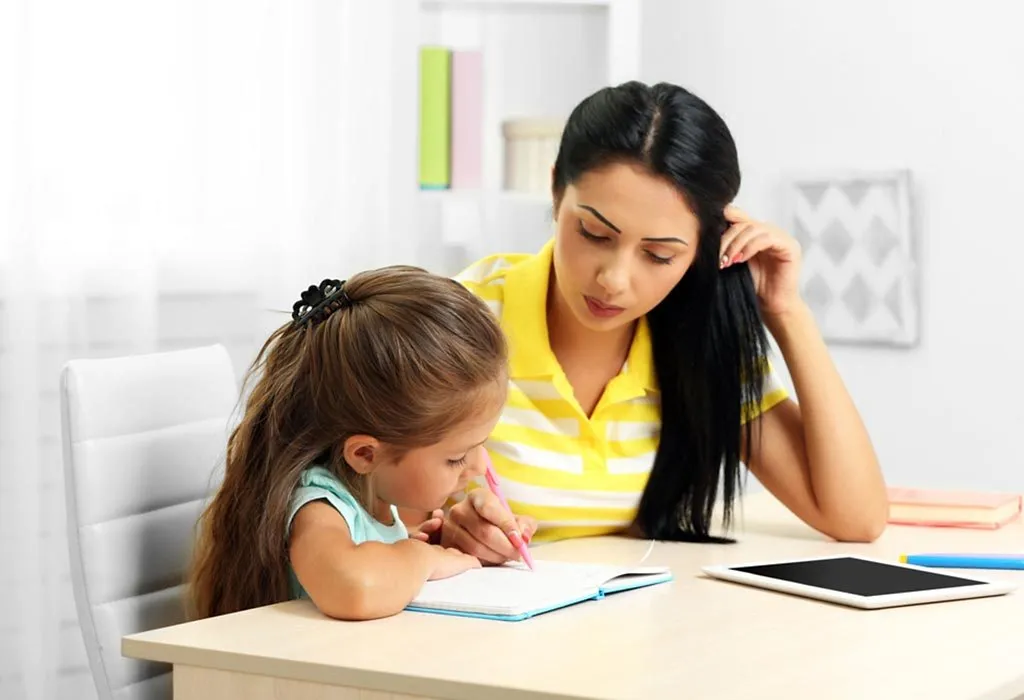
Creative activities can add variety and enjoyment to everyday life. Cooking new recipes, decorating a room, writing, drawing, gardening, crafting, photography, or learning music can provide opportunities to express ideas and explore personal interests. These activities do not need to produce professional results to be worthwhile. Their value often comes from the experience of trying something new and enjoying the process.
Families can also explore creative activities together. Children and adults might prepare a meal, create seasonal decorations, work on a small garden, organize a family photo collection, or plan a simple weekend project. Such activities encourage cooperation and provide opportunities to spend quality time together. They may also help children develop curiosity, patience, and problem-solving abilities.
Finding time for hobbies is important even when schedules are busy. A short period devoted to an enjoyable activity can provide a refreshing break from responsibilities. People should remember that leisure time is not wasted time. Rest, creativity, and enjoyment are valuable parts of a balanced lifestyle that help maintain motivation and a positive outlook.
Adapting Lifestyle Advice to Individual Needs
Not every lifestyle tip will work for every person. Someone living alone may have different organizational needs from a parent managing a busy household. Students, working professionals, caregivers, and retirees may all have different schedules and priorities. Therefore, practical advice should be adjusted to suit the circumstances rather than followed without considering individual needs.
This is where Tips Life Impocoolmom can be understood as a flexible approach to everyday improvement. Its usefulness comes from exploring suggestions, evaluating their relevance, and applying those that genuinely make life easier. People can experiment with routines, change their plans when necessary, and avoid feeling pressured to adopt every recommendation they encounter.
It is also important to recognize that lifestyle improvement takes time. Some habits may work immediately, while others require adjustments and patience. If a particular routine becomes stressful or unrealistic, it may be helpful to simplify it. The purpose of everyday advice should be to support a person’s well-being, not create additional expectations or unnecessary pressure.
Simple Tips for Creating a Happier Lifestyle
Creating a happier lifestyle often begins with paying attention to small details that influence everyday experiences. Keeping a comfortable living space, maintaining meaningful relationships, taking care of personal needs, and making time for enjoyable activities can contribute to a greater sense of balance. Happiness does not always come from major achievements; it can also develop through appreciation of ordinary moments and the satisfaction of completing meaningful tasks.
People can benefit from identifying what makes their daily lives feel easier and more enjoyable. Some may appreciate a quiet morning, while others find happiness through social activities, creative hobbies, exercise, or spending time with family. Understanding personal preferences can help individuals make decisions that better reflect their values and priorities.
Another useful practice is reducing unnecessary pressure. It is normal for plans to change, tasks to remain unfinished, or days to feel less productive than expected. Rather than judging every experience, people can focus on what they have accomplished and identify one manageable step for the next day. A flexible mindset helps maintain motivation while allowing room for rest and unexpected circumstances.
Lifestyle improvement should remain a personal journey. The ideas associated with Tips Life Impocoolmom can encourage readers to explore simple habits, make thoughtful choices, and discover practical ways to improve their surroundings and daily experiences.
Conclusion
Improving everyday life does not require dramatic changes or perfect routines. It begins with practical habits, thoughtful planning, healthy communication, and a willingness to learn from everyday experiences. Organizing household responsibilities, maintaining wellness, developing personal skills, managing finances, and spending meaningful time with loved ones are all valuable steps toward creating a more balanced lifestyle.
The ideas behind Tips Life Impocoolmom highlight the importance of simple, realistic, and adaptable advice that can fit different lifestyles. By focusing on small improvements instead of perfection, individuals and families can gradually create routines that support comfort, happiness, productivity, and personal growth. Ultimately, a better lifestyle is built through consistent effort, flexible thinking, and appreciating the little things that make everyday life meaningful.