
Introduction
The full form of BMW is Bayerische Motoren Werke, which translates into English as Bavarian Motor Works. BMW is a German automobile and motorcycle manufacturer recognized around the world for its passenger vehicles, performance models, motorcycles, and technology-focused mobility products. The company has a long history connected with aircraft engines, motorcycles, and automobiles, and its development reflects many important changes in the global transportation industry. For people interested in automobiles, knowing the meaning behind the BMW name provides useful background about the company’s German origins. BMW’s identity is also strongly associated with engineering, driving dynamics, design, and technological development. Over the years, the company has expanded its product range from conventional petrol-powered vehicles to hybrid and fully electric models. Its recognizable emblem and model naming system have become familiar to automobile enthusiasts across many countries. Understanding the full form of BMW is therefore more than simply expanding three letters; it also provides an opportunity to explore the history, development, products, and changing direction of one of the world’s best-known automotive brands.
What Is the Full Form of BMW?
The full form of BMW is Bayerische Motoren Werke. The German words can be translated as Bavarian Motor Works in English. The name reflects the company’s origins in Bavaria, a state in southern Germany. BMW’s corporate history developed through several stages involving aircraft engines, motorcycles, and automobiles.
The name is particularly significant because it connects the company to its geographical and industrial roots. Bavaria has a long association with engineering and manufacturing, and BMW eventually developed into an international automotive business. Although the company’s operations now extend far beyond Germany, its German heritage remains an important part of its identity. The abbreviation BMW is widely recognized internationally, while the original German name is still used as the company’s official name.
Meaning Behind Bayerische Motoren Werke
Each part of the German name contributes to its meaning. “Bayerische” refers to Bavaria, “Motoren” means engines or motors, and “Werke” refers to works or factories. Together, the name describes a Bavarian company associated with motor manufacturing.
The English translation, Bavarian Motor Works, is commonly used when explaining the full form of BMW to people who are unfamiliar with the German language. The name also reflects the company’s early industrial activities, particularly engine production. Over time, BMW became much more closely associated with automobiles and motorcycles, but its historical connection with engine manufacturing remains an important part of its story. The original name therefore offers a simple insight into the company’s geographic background and industrial beginnings.
Early History of BMW
BMW’s history dates back to the early twentieth century, although the modern company developed through several mergers, reorganizations, and changes in business activity. Its roots are connected with German aircraft-engine manufacturing. During its early years, engine development played an important role in the company’s industrial identity.
Following changes in the aviation and manufacturing industries, BMW expanded into motorcycle production. This eventually led to automobile manufacturing and the development of increasingly recognizable BMW models. The company’s history demonstrates how industrial businesses can change direction as technology, regulation, consumer demand, and transportation needs evolve. Understanding this development provides useful context for the full form of BMW, because the “Motoren Werke” name is closely connected with its historical emphasis on engines and mechanical engineering.
BMW and Motorcycle Manufacturing
Motorcycles played an important role in BMW’s development as a transportation manufacturer. The company introduced motorcycles that helped establish its reputation for engineering and distinctive mechanical design. BMW motorcycles became known for features such as boxer engines and shaft-drive systems in various periods of the company’s history.
The motorcycle division continues to represent an important part of the broader BMW brand. It also demonstrates that the company has never been limited to four-wheeled vehicles. Motorcycle technology has evolved significantly over the decades, incorporating electronic systems, rider-assistance technologies, improved braking, connectivity, and more efficient engines. This history helps explain why the full form of BMW is associated with “Motoren Werke” rather than simply being a name created for automobile production.
BMW Enters Automobile Manufacturing
BMW’s transition into automobile production became an important stage in its development. The company began producing cars in the 1920s, gradually establishing an identity within the competitive European automobile market. Over subsequent decades, BMW introduced numerous vehicle models and expanded its international presence.
The automobile industry changed dramatically during this period. Safety standards, fuel efficiency requirements, manufacturing technologies, customer preferences, and competition all influenced vehicle development. BMW responded by building a broad portfolio that eventually included sedans, coupes, convertibles, sports cars, SUVs, and performance-oriented models. Today, the company’s automotive identity is considerably broader than its early manufacturing activities, but its engineering heritage remains central to its reputation.
BMW Model Naming System
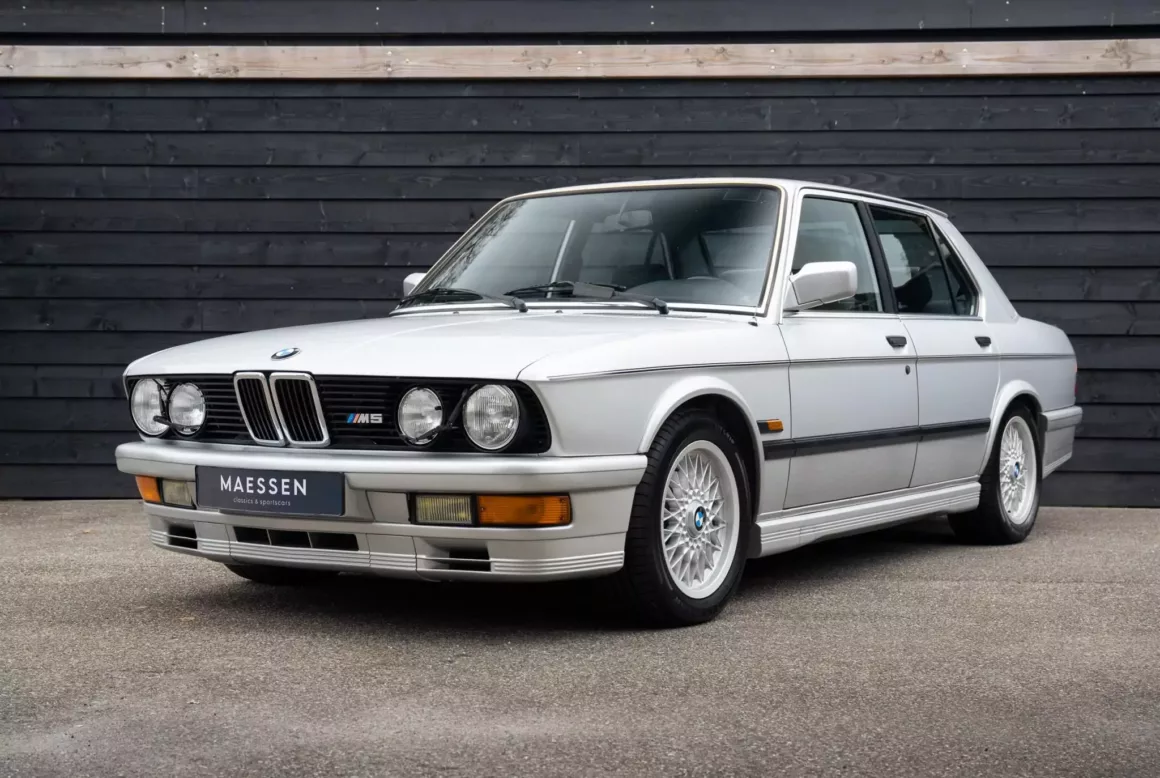
BMW uses a model naming system that helps distinguish different vehicle families and versions. Many BMW cars use combinations of numbers and letters, although naming conventions have changed over time. Model numbers may indicate a vehicle’s position within a particular series, while additional letters can describe drivetrain, fuel type, body style, or performance characteristics.
Understanding the naming system can make it easier for new buyers and automotive enthusiasts to navigate BMW’s product range. However, the meaning of individual characters can vary between generations and markets. Buyers should therefore check the specifications of the particular model year rather than assuming that every badge has exactly the same meaning. The full form of BMW explains the company’s name, while its model nomenclature provides another way to understand its large vehicle lineup.
BMW Vehicle Categories
BMW produces vehicles across several categories designed for different customer requirements. Traditional sedan models are known for their combination of comfort and driving characteristics. SUVs and crossover vehicles provide additional cabin space and higher seating positions. Coupes and convertibles emphasize different aspects of design and driving experience.
The company also produces high-performance vehicles under its M performance division. Electric vehicles are increasingly important as BMW expands its electrified product portfolio. This variety allows the company to serve customers with different priorities, from everyday transportation to performance-focused driving. The evolution from early engine manufacturing to this broad portfolio illustrates how far the company has developed since the origins represented by the full form of BMW.
BMW M Performance Division
BMW M is the company’s performance-oriented division and is associated with high-performance versions of selected BMW vehicles. The M name originated from BMW Motorsport and became strongly connected with racing and performance engineering.
M vehicles typically receive modifications involving engines, suspension systems, braking, aerodynamics, steering, and other components, depending on the model. The division has also influenced BMW’s broader engineering culture. Performance technologies developed through motorsport and specialized engineering have sometimes influenced road-going vehicles. For automobile enthusiasts, BMW M represents an important chapter in the company’s history and helps distinguish performance-focused products from standard models.
BMW and Electric Vehicles
The automotive industry is undergoing a major shift toward electrification, and BMW has developed electric vehicles as part of its changing product strategy. Battery-electric models use electric motors instead of conventional internal-combustion engines, while hybrid vehicles combine different propulsion systems.
Electric BMW vehicles incorporate technologies involving battery management, charging, regenerative braking, digital interfaces, and energy efficiency. The transition to electric mobility presents major challenges for every established automaker, including manufacturing investment, battery technology, charging infrastructure, supply chains, and customer adoption. BMW’s movement into electric vehicles represents another significant stage in its long industrial history. Although the full form of BMW refers to its original Bavarian motor works identity, the company now operates in a transportation environment increasingly shaped by software, batteries, connectivity, and electrification.
BMW Technology and Innovation
Technology has become a major component of modern automobile development. BMW vehicles can include advanced driver-assistance systems, digital instrument displays, connected services, navigation, parking assistance, adaptive lighting, and sophisticated infotainment systems. Features vary significantly according to model, market, and equipment package.
BMW has also invested in research and development related to electric mobility, autonomous-driving technologies, digital systems, and manufacturing efficiency. Modern vehicles are increasingly software-defined, requiring automakers to manage both mechanical engineering and complex digital systems. This represents a major change from the company’s early engine-manufacturing roots. Nevertheless, the engineering principle reflected in the full form of BMW continues to connect the brand with the development of motor and mobility technologies.
BMW Logo and Its Significance
The BMW logo is one of the most recognizable automotive symbols. Its circular design contains blue and white sections that are strongly associated with the company’s Bavarian heritage. The colors also correspond to the traditional colors of Bavaria, although popular interpretations of the logo’s history have sometimes included associations with a spinning aircraft propeller.
The emblem has changed subtly over the company’s history, with modern versions adapting the design for digital and contemporary applications. Despite these changes, the basic circular identity has remained recognizable. Brand symbols such as the BMW emblem help communicate a company’s heritage and identity quickly. For many people, seeing the logo immediately brings to mind German automotive engineering and the company’s long history.
BMW in the Global Automotive Market
BMW has developed from a German manufacturer into an international automotive company with operations and customers across numerous regions. Its vehicles are sold in many markets, while production and assembly activities extend beyond Germany.
International expansion has required the company to respond to different regulations, road conditions, customer expectations, taxation systems, and transportation trends. A vehicle designed for one market may require modifications for another. BMW’s global presence demonstrates how automotive companies must balance consistent brand identity with regional requirements. The full form of BMW remains German, but the company’s commercial and manufacturing footprint is now international.
Why BMW Is Recognized Worldwide
Several factors contribute to BMW’s global recognition. Its long history, distinctive designs, performance-oriented products, engineering reputation, and broad model range have helped establish a strong international identity. Motorsport involvement has also contributed to public awareness of the brand.
BMW has consistently positioned itself around driving-focused engineering while expanding into comfort, technology, luxury, and electrification. Different customers may value different aspects of the brand. Some may be interested in performance, while others may prioritize comfort, design, technology, or electric mobility. This broad appeal has helped BMW maintain visibility across changing automotive markets.
BMW’s Future Direction
The automotive industry is changing rapidly, and BMW is adapting to several major trends simultaneously. Electrification, digitalization, connectivity, automated driving technologies, sustainable manufacturing, and changing customer expectations are influencing the design of future vehicles.
Future BMW products are likely to continue combining traditional automotive engineering with increasingly sophisticated software and electrical systems. Battery technology and charging capabilities will remain important for electric vehicles, while improvements in manufacturing may influence efficiency and sustainability. The company’s ability to balance its historical identity with emerging technologies will be an important part of its future development. The full form of BMW reflects a history that began with motor works in Bavaria, but the modern company operates within a much broader concept of global mobility.
Interesting Facts About BMW
BMW’s history contains several interesting facts that help explain its distinctive identity. The company began with strong connections to engine manufacturing before becoming widely known for motorcycles and automobiles. Its motorcycle division remains an important part of the business, while the M performance division has developed a strong following among enthusiasts.
BMW has also participated extensively in motorsport, with racing programs influencing both engineering development and brand recognition. The company has produced vehicles ranging from compact cars to luxury sedans, SUVs, sports cars, and electric models. Its product history demonstrates a willingness to adapt to changing transportation requirements while maintaining recognizable design and engineering themes.
Conclusion
The full form of BMW is Bayerische Motoren Werke, commonly translated as Bavarian Motor Works. The name reflects the company’s Bavarian origins and its historical connection with motor and engine manufacturing. From its early industrial roots, BMW developed through motorcycle and automobile production into a globally recognized automotive company with a diverse range of products and technologies.
Today, BMW operates across traditional automobiles, performance vehicles, motorcycles, hybrid systems, and electric mobility. Its history demonstrates how a manufacturer can evolve as transportation technology and consumer expectations change. The company’s familiar logo, model families, performance division, and engineering heritage continue to contribute to its identity. Understanding the full form of BMW therefore provides a starting point for exploring a much larger story involving German manufacturing, automotive innovation, motorsport, global expansion, and the transition toward the future of mobility.