
Introduction
The full form of ATM is Automated Teller Machine. It is an electronic banking terminal that allows customers to perform several basic banking activities without directly visiting a bank branch or speaking with a bank employee. ATMs have become an important part of modern banking because they provide convenient access to cash and selected financial services during extended hours. Depending on the bank and machine, customers can withdraw cash, check account balances, print mini statements, change their PIN, and sometimes deposit cash or cheques. The development of ATM technology has changed the way people interact with their bank accounts by making routine transactions faster and more accessible. Although ATMs are commonly associated with cash withdrawals, their capabilities have expanded significantly over time. Understanding the full form of ATM and its functions can help users operate these machines safely and make better use of available banking services.
What Is an ATM?
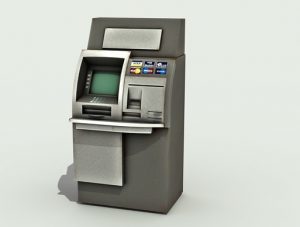
An ATM is a computerized machine connected to a banking network that enables customers to conduct certain transactions using a debit card, ATM card, or another supported authentication method. The machine communicates with the customer’s bank or card network to verify account information and authorize transactions. Most ATMs have a screen, keypad, card reader, cash dispenser, receipt printer, and security features.
The primary purpose of an ATM is to provide self-service banking. Instead of waiting for a bank counter to open, customers can use an ATM to access their accounts and perform common transactions. Modern machines may also include touchscreens, contactless card readers, biometric authentication, deposit facilities, and multilingual interfaces. These improvements have made ATM services easier to use for people with different banking needs.
Full Form of ATM Explained
The full form of ATM is Automated Teller Machine. Each word describes an important aspect of the technology. “Automated” indicates that the machine performs banking operations electronically with limited or no assistance from a bank employee. “Teller” refers to the traditional bank employee who handles customer transactions such as cash withdrawals and deposits. “Machine” indicates that these services are delivered through an electronic device.
The term ATM therefore describes a machine designed to perform some of the functions traditionally handled by a bank teller. While its services vary depending on the institution and machine model, the basic idea remains the same: customers can access selected banking services independently.
How Does an ATM Work?
An ATM works by connecting the machine to a secure banking or payment network. When a customer inserts or taps a supported card, the machine reads the card information. The customer is then normally asked to enter a personal identification number, commonly called a PIN. The ATM sends the necessary information through the banking network so the customer’s bank can authenticate the transaction.
After authentication, the customer selects an available service, such as cash withdrawal or balance inquiry. For a cash withdrawal, the bank checks the account and applicable transaction limits before approving or declining the request. If approved, the ATM dispenses the requested amount and may print a receipt. The transaction is recorded electronically, allowing the account balance and transaction history to be updated.
Main Features of an ATM
ATMs contain several components that work together to provide banking services. The card reader identifies the customer’s card, while the keypad or touchscreen allows the user to enter information and select services. A secure cash dispenser releases the approved amount of money. Many machines also contain receipt printers for transaction records.
Security is another major feature of modern ATMs. Machines can use encrypted communication, PIN protection, transaction monitoring, physical security systems, and other safeguards. Some newer machines support contactless transactions or biometric authentication. The exact features vary by bank, country, machine type, and technology provider.
Common Services Available Through ATMs
The services offered by an ATM depend on the bank and the particular machine. Cash withdrawal is generally the most familiar service. Customers can select an amount within the machine’s and account’s applicable limits and receive cash after successful authorization.
Other commonly available services include balance inquiries, mini statements, PIN changes, and account-related information. Some ATMs also allow customers to deposit cash or cheques, transfer money between eligible accounts, pay certain bills, or access other banking services. Not every machine provides all these functions, so users should check the options displayed on the screen.
Types of ATMs
There are different types of ATMs designed for different purposes and locations. Bank-operated ATMs are installed and maintained by banks and are generally connected directly to their banking infrastructure. These machines may provide a broad selection of services to the bank’s customers.
White-label ATMs are operated by non-bank organizations under applicable regulatory frameworks. They can expand access to cash and banking services in locations where traditional bank-operated machines may be less common. There are also specialized machines that focus on cash deposits, withdrawals, or other services. The availability and naming of ATM categories can vary between countries.
Advantages of Using an ATM
One of the main advantages of an ATM is convenience. Customers can access basic banking services without having to visit a bank branch. This can save time, especially when a transaction only requires a cash withdrawal or balance inquiry. ATMs are also distributed across many public and commercial locations, making access to banking services more convenient.
Another advantage is self-service functionality. Customers can complete routine transactions independently and generally receive immediate confirmation. ATMs also reduce pressure on bank branches by handling common transactions electronically. As banking technology continues to develop, ATM services can complement mobile banking, online banking, and other digital financial services.
ATM Safety and Security Tips
Knowing the full form of ATM is useful, but understanding safe ATM practices is equally important. Customers should protect their PIN and avoid sharing it with anyone. The PIN should never be written on the card itself because losing both the card and PIN could increase the risk of unauthorized access.
Users should also inspect the ATM area before beginning a transaction. If a machine appears damaged, unusual, or tampered with, it is safer to use another machine. Customers should keep their card secure, collect cash and receipts before leaving, and monitor account activity regularly. If a card becomes stuck or an unfamiliar transaction appears in the account, the customer should contact the bank promptly using an official customer-service channel.
ATM Transactions and Bank Charges
ATM transactions may be subject to fees depending on the bank, account type, transaction type, location, and applicable banking rules. Customers may have a certain number of free transactions within a specified period, after which additional charges can apply. Using an ATM belonging to another bank or network may also involve different fees.
Because fee structures can change, customers should review the current terms provided by their bank. It is also important to distinguish between bank charges and other possible costs associated with currency conversion or international transactions when using cards abroad.
ATM vs. Bank Branch
ATMs and bank branches serve different purposes. An ATM is primarily designed for quick, routine transactions that customers can complete independently. It can provide convenient access to cash and basic account services without requiring assistance from bank staff.
A bank branch, on the other hand, can provide a broader range of services that may require documentation, professional assistance, or detailed account discussions. Opening certain accounts, resolving complex account problems, processing some financial applications, and receiving personalized banking assistance may require a branch visit. Therefore, ATMs and branches generally complement rather than completely replace each other.
Importance of ATMs in Modern Banking
The full form of ATM, Automated Teller Machine, reflects a major development in self-service banking. ATMs have helped make banking services more accessible by allowing customers to perform routine transactions outside traditional branch environments. They are particularly useful when customers need cash or basic account services outside normal branch hours.
ATMs also play an important role in the wider payment ecosystem. Although digital payments have grown rapidly, cash remains relevant in many communities and situations. ATMs therefore continue to provide an important connection between electronic bank accounts and physical currency.
Future of ATM Technology
ATM technology continues to evolve alongside the wider financial industry. Newer machines can incorporate touchscreens, contactless authentication, improved accessibility features, enhanced security systems, and more advanced deposit capabilities. Banks are also exploring ways to integrate ATM services with mobile banking and other digital technologies.
The future ATM may provide more personalized and secure services while reducing the need for physical cards. However, the exact direction of ATM development will depend on consumer preferences, banking technology, security requirements, regulations, and the growth of digital payment systems.
Frequently Asked Questions
What is the full form of ATM?
The full form of ATM is Automated Teller Machine. It is an electronic banking machine that allows customers to perform services such as cash withdrawals and balance inquiries without visiting a bank counter.
What is the main purpose of an ATM?
The main purpose of an ATM is to provide self-service banking facilities. Cash withdrawal is one of its most common functions, although many machines also provide balance inquiries, mini statements, PIN changes, deposits, and other services.
Can an ATM be used without a bank branch?
Yes. Customers can generally use an ATM without entering a bank branch. However, the available services depend on the machine, bank, account, card, and applicable transaction rules.
Is it safe to use an ATM?
ATMs are designed with security measures, but customers should still follow basic precautions. Protecting the PIN, checking the machine for unusual features, keeping the card secure, and monitoring account activity can help reduce security risks.
Can ATMs accept deposits?
Some ATMs support cash or cheque deposits, while others only provide withdrawal and basic account services. Customers should check the options displayed on the particular machine.
Conclusion
The full form of ATM is Automated Teller Machine, a technology that has transformed everyday banking by providing convenient self-service access to cash and selected account services. From simple cash withdrawals to balance inquiries, deposits, and advanced authentication features, ATMs have developed considerably since their introduction. They offer convenience while reducing the need to visit a bank branch for routine transactions. At the same time, responsible usage remains important, particularly when protecting PINs, cards, and account information. As digital banking and cashless payments continue to develop, ATMs are also evolving with improved security, accessibility, and functionality. Understanding how these machines work and the services they provide allows customers to use them more confidently and efficiently.