
Introduction
The full form of DNA is one of the most searched biology topics among school students, college learners, and competitive exam aspirants. DNA is the fundamental molecule of life because it carries the genetic instructions that determine how every living organism grows, develops, reproduces, and functions. From humans and animals to plants and microscopic organisms, DNA plays an essential role in passing inherited characteristics from one generation to the next. Although many students know the abbreviation DNA, understanding its complete form, structure, functions, and scientific importance provides a deeper appreciation of modern biology and genetics.
The study of DNA has transformed medicine, agriculture, forensic science, biotechnology, and evolutionary biology. Scientists use DNA to diagnose genetic disorders, identify criminals through forensic investigations, improve crop varieties, and develop advanced medical treatments. Learning the full form of DNA is only the beginning of understanding one of the most important scientific discoveries in history. This comprehensive guide explains the meaning of DNA, its structure, functions, history, applications, and fascinating facts in simple language suitable for students and general readers.
What Is the Full Form of DNA?
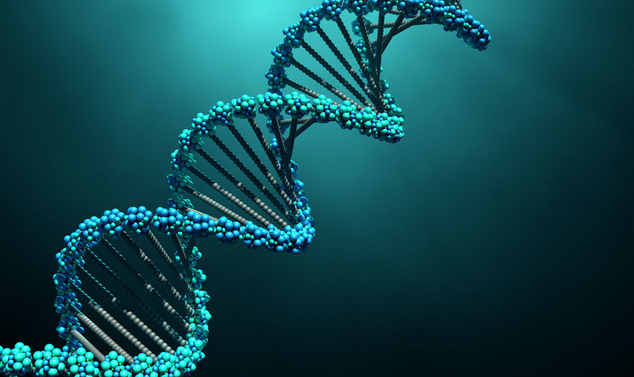
The full form of DNA is Deoxyribonucleic Acid.
DNA is a complex biological molecule that contains the hereditary information of almost all living organisms. It acts as the body’s genetic blueprint by storing the instructions needed for building proteins, developing cells, regulating body functions, and transmitting inherited traits from parents to offspring.
Every human cell contains DNA except mature red blood cells. The DNA present in each cell is nearly identical and contains thousands of genes responsible for different physical and biological characteristics.
Understanding the full form of DNA helps students appreciate the central role this molecule plays in genetics and life sciences.
What Is DNA?
DNA is a long-chain molecule made up of smaller units called nucleotides. These nucleotides are arranged in a specific sequence that forms genetic instructions for every living organism.
The information stored within DNA determines numerous characteristics such as eye color, hair color, blood group, height, metabolism, and susceptibility to certain inherited diseases. DNA also controls the production of proteins that perform essential biological functions throughout the body.
Because DNA stores and transfers genetic information across generations, it is often referred to as the “blueprint of life.”
Learning the full form of DNA introduces students to one of the most fundamental concepts in biology.
Discovery of DNA
The journey toward understanding DNA began during the nineteenth century. In 1869, Swiss scientist Friedrich Miescher first isolated a substance from the nuclei of white blood cells, which later became known as DNA.
Many decades later, scientists James Watson and Francis Crick proposed the famous double-helix model of DNA in 1953 based on crucial experimental work by Rosalind Franklin and Maurice Wilkins. Their discovery revolutionized genetics and molecular biology.
The double-helix structure explained how genetic information could be stored accurately and copied during cell division.
The discovery of DNA remains one of the greatest achievements in scientific history.
Structure of DNA
DNA has a unique double-helix structure resembling a twisted ladder. The sides of the ladder consist of alternating sugar and phosphate molecules, while the steps are formed by pairs of nitrogen-containing bases.
There are four nitrogen bases found in DNA:
Adenine (A) pairs with Thymine (T)
Guanine (G) pairs with Cytosine (C)
This complementary pairing allows DNA to replicate accurately whenever cells divide.
Each DNA molecule contains millions of these base pairs arranged in a precise sequence. Even small changes in this sequence can influence inherited traits or lead to genetic disorders.
Understanding this structure helps explain how DNA stores enormous amounts of biological information.
Components of DNA
DNA consists of three main chemical components that combine to form nucleotides.
The first component is deoxyribose sugar, which forms part of the DNA backbone. The second is a phosphate group that connects neighboring sugar molecules. The third consists of nitrogenous bases, namely adenine, thymine, cytosine, and guanine.
The arrangement of these components creates a stable molecular structure capable of storing genetic information for an entire lifetime.
The specific sequence of nitrogen bases acts as a biological code that determines the characteristics of every organism.
Functions of DNA
DNA performs several essential functions that are necessary for life.
Its primary function is storing genetic information. Every cell uses DNA as a reference guide for producing proteins that regulate body growth, metabolism, immunity, and countless biological processes.
DNA also controls cell division by ensuring that genetic information is copied accurately before new cells are formed. During reproduction, DNA transfers hereditary traits from parents to offspring.
Another important function involves regulating gene expression, determining which proteins are produced in different tissues and at different stages of life.
The full form of DNA represents a molecule responsible for nearly every biological activity within living organisms.
Importance of DNA in Human Life
DNA plays an extraordinary role in understanding human health and disease. Doctors use DNA testing to diagnose inherited disorders, identify genetic mutations, and develop personalized treatment strategies.
Researchers also study DNA to understand cancer development, infectious diseases, and rare genetic conditions. Advances in genetic research have contributed to precision medicine, allowing treatments to be tailored according to individual genetic profiles.
DNA analysis has also improved prenatal diagnosis, enabling healthcare professionals to identify certain inherited conditions before birth.
Its importance continues to expand as scientific knowledge advances.
Applications of DNA
DNA technology has revolutionized numerous scientific fields.
In forensic science, DNA fingerprinting helps identify criminals, victims, and missing persons with remarkable accuracy. In agriculture, scientists use genetic research to develop disease-resistant crops and improve food production.
Medical researchers use DNA to develop vaccines, gene therapies, and targeted medications for various diseases. Wildlife conservation programs also rely on DNA analysis to monitor endangered species and maintain biodiversity.
Biotechnology companies apply DNA research to create innovative healthcare products, pharmaceuticals, and diagnostic tools.
These applications demonstrate the widespread significance of DNA in modern society.
DNA and Genetics
Genes are small sections of DNA that contain instructions for producing specific proteins. Humans possess approximately twenty thousand genes distributed across forty-six chromosomes.
Each individual inherits half of their DNA from their mother and half from their father. This combination creates unique genetic characteristics for every person except identical twins.
Genetics studies how these inherited traits are transmitted across generations and how genetic variations influence health, appearance, and biological diversity.
Understanding genetics becomes much easier after learning the full form of DNA and its functions.
Interesting Facts About DNA
DNA inside a single human cell is approximately two meters long when fully stretched, yet it fits inside a microscopic cell nucleus through highly organized packaging.
Nearly ninety-nine percent of human DNA is identical among all people, while the remaining small percentage contributes to individual differences.
If the DNA from every cell in the human body were joined together, it would extend billions of kilometers.
Scientists continue discovering new functions of DNA, expanding our understanding of genetics and molecular biology every year.
These fascinating facts highlight the remarkable complexity of life’s genetic code.
Common Misconceptions About DNA
Many people believe that DNA determines every aspect of human life. While DNA provides genetic instructions, environmental factors such as nutrition, education, exercise, and lifestyle also influence health and development.
Another misconception is that only humans possess DNA. In reality, almost all living organisms—including animals, plants, fungi, and bacteria—contain DNA.
Some people also confuse DNA with genes. Genes are simply specific segments of DNA responsible for particular biological functions.
Clarifying these misconceptions helps students build a stronger understanding of genetics.
Frequently Asked Questions
What is the full form of DNA?
The full form of DNA is Deoxyribonucleic Acid.
Where is DNA found?
DNA is found primarily inside the nucleus of most cells. Small amounts are also present in mitochondria.
What is the main function of DNA?
DNA stores genetic information and provides instructions for growth, development, reproduction, and protein production.
Who discovered DNA?
Friedrich Miescher first isolated DNA in 1869, while James Watson and Francis Crick proposed its double-helix structure in 1953 with significant contributions from Rosalind Franklin and Maurice Wilkins.
Conclusion
The full form of DNA is Deoxyribonucleic Acid, the essential molecule responsible for storing and transmitting genetic information in almost every living organism. It serves as the blueprint of life, guiding growth, development, reproduction, and the functioning of cells through precise genetic instructions.
Beyond understanding the full form of DNA, students should appreciate its remarkable structure, biological functions, scientific discovery, and wide-ranging applications in medicine, biotechnology, agriculture, and forensic science. DNA continues to shape modern scientific research and healthcare, making it one of the most important discoveries in human history. As genetic technology advances, our understanding of DNA will continue to unlock new possibilities for improving health, solving biological mysteries, and enhancing the quality of life for future generations.