
Introduction
The word “gym” is commonly used when talking about exercise, fitness, strength training, and healthy living. People visit gyms for many reasons, including improving physical strength, maintaining body weight, building muscle, increasing flexibility, and supporting overall well-being. However, many people may not know the full form of gym or where the term originally came from. The word gym is commonly understood as a shortened form of “gymnasium,” a term that has historical roots in ancient Greece. Over time, the meaning of gymnasium developed from a place associated with physical training into the modern fitness centers people use today. Modern gyms can include weight-training equipment, cardio machines, group exercise areas, stretching spaces, and facilities designed for different fitness goals. Understanding the meaning and history of the term can provide useful context for people beginning their fitness journey.
What Is the Full Form of Gym?
The full form of gym is generally considered Gymnasium. The word “gym” is an abbreviated form of gymnasium and is widely used in everyday language. A gymnasium traditionally refers to a place where people participate in physical exercise and training. The word has roots in the ancient Greek term “gymnasion,” which was connected with exercise and physical education.
Today, the term gym usually refers to a fitness facility where people perform different types of workouts. These facilities may provide equipment for strength training, cardiovascular exercise, functional training, stretching, and other physical activities. Although the word itself has an ancient origin, modern gyms have developed significantly with advancements in exercise science and fitness technology.
Meaning and Origin of Gymnasium
The history behind the term gymnasium is closely connected with ancient Greece. Gymnasiums were important places for physical training, education, and social interaction. Young men commonly trained their bodies through activities such as running, wrestling, jumping, and other athletic exercises. Physical development was considered an important part of education.
The ancient concept of the gymnasium was broader than the modern idea of a commercial fitness center. It could serve as a place for physical preparation as well as intellectual and social activities. Over centuries, the meaning evolved, and the word eventually became associated primarily with physical exercise. The modern abbreviation “gym” is now used around the world to describe places dedicated to fitness and training.
How Modern Gyms Have Evolved
Modern gyms are very different from traditional exercise facilities. Earlier fitness activities often depended on simple equipment and bodyweight movements. Today, fitness centers may contain sophisticated machines designed to target particular muscle groups and support different forms of exercise.
A modern gym can include treadmills, stationary bicycles, rowing machines, free weights, resistance machines, cable systems, benches, and functional training equipment. Some facilities also provide spaces for yoga, Pilates, group fitness classes, martial arts, or personal training. Technology has further changed the gym experience through wearable fitness trackers, digital workout programs, smart equipment, and fitness applications.
This development has made gyms accessible to people with different fitness levels and goals. Beginners can follow simple routines, while experienced athletes can use advanced equipment and structured training programs.
Why Do People Go to the Gym?
People visit gyms for a wide variety of reasons. One person may want to gain strength, while another may focus on maintaining a healthy weight or improving endurance. Some people use gym workouts as part of sports training, while others simply want to remain active.
Regular exercise can support physical fitness and help people develop healthier routines. Strength exercises can improve muscular fitness, while aerobic activities can support cardiovascular endurance. Stretching and mobility exercises can contribute to flexibility and movement quality.
The gym can also provide a structured environment. Having access to dedicated equipment and a regular workout schedule may make it easier for some people to maintain consistency. The most effective routine is generally one that matches an individual’s abilities, interests, schedule, and fitness objectives.
Common Types of Exercises in a Gym
A gym typically offers several categories of exercise. Strength training involves activities designed to challenge muscles through resistance. Examples include weightlifting, resistance-machine exercises, and bodyweight movements such as squats and push-ups.
Cardiovascular training includes activities that raise the heart rate for sustained periods. Walking or running on a treadmill, cycling, rowing, and using an elliptical machine are common examples. These activities can help develop endurance.
Functional training focuses on movements that involve multiple muscle groups and can improve coordination, balance, and general movement ability. Flexibility and mobility exercises may also be included in a workout routine. Combining different forms of exercise can create a balanced fitness program rather than concentrating exclusively on one type of training.
Benefits of Regular Gym Exercise
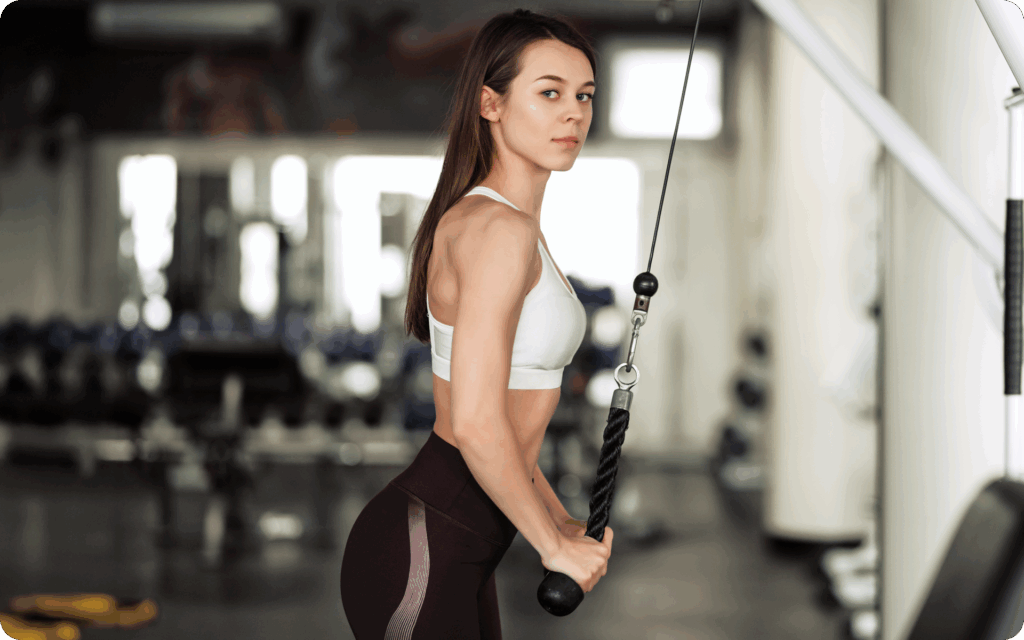
One of the main reasons people choose a gym is to become more physically active. Regular exercise can support muscle strength, cardiovascular fitness, mobility, balance, and endurance. Strength training can be particularly useful for developing stronger muscles and supporting everyday physical activities.
Exercise may also contribute to maintaining a healthy body composition when combined with appropriate nutrition and other healthy habits. Regular movement can help people feel more energetic and physically capable.
There are also mental and emotional benefits associated with physical activity. Exercise can provide a break from daily routines and may help people manage everyday stress. Completing a workout can create a sense of accomplishment and encourage consistency. These benefits help explain why gyms remain popular among people with different lifestyles and fitness objectives.
Gym Workouts for Beginners
For beginners, entering a gym can sometimes feel overwhelming because of the variety of equipment and exercises available. A simple approach is often more useful than trying to use every machine during the first few sessions. Beginners can start by learning basic movement patterns and understanding how equipment works.
A balanced beginner routine may include light cardiovascular activity, basic resistance exercises, and mobility work. Starting with manageable resistance and focusing on proper technique can help build confidence. It is also important to allow sufficient recovery between demanding workouts.
Beginners should remember that progress does not have to happen immediately. Fitness develops gradually through consistent activity, appropriate recovery, and sensible training. Learning the basics first can create a stronger foundation for future workouts.
Importance of Proper Gym Technique
Exercise technique is an important part of effective training. Performing movements with controlled and appropriate form can help individuals use equipment correctly and reduce unnecessary strain. Beginners should prioritize learning how an exercise is performed instead of immediately attempting heavy weights.
A qualified fitness professional can demonstrate exercises and help individuals understand proper movement patterns. Machines should also be adjusted according to the user’s body size and the exercise being performed.
Good technique is especially important when performing resistance exercises. Rushing through repetitions or using excessive weight may make an exercise less effective and can increase the risk of injury. Controlled movements, appropriate resistance, and gradual progression are generally better foundations for long-term training.
Gym and Healthy Lifestyle
Going to the gym is only one part of a healthy lifestyle. Exercise works best when combined with other positive habits, including nutritious eating, adequate sleep, hydration, and regular daily movement. A person who exercises several times a week but consistently ignores recovery may struggle to maintain progress.
Nutrition provides the energy and nutrients required for daily activities and exercise. Sleep gives the body time to recover from physical demands. Hydration is also important, particularly during longer or more intense workouts.
Therefore, the full form of gym may be a simple question, but understanding the broader concept of fitness reveals that a gym is only a tool within a larger healthy lifestyle. Long-term results generally depend on consistency across multiple areas rather than exercise alone.
How to Stay Consistent With Gym Workouts
Consistency is often more important than trying to complete extremely difficult workouts. Creating a realistic schedule can make regular exercise easier to maintain. Someone with a busy routine may prefer shorter sessions that can be completed consistently instead of an ambitious plan that becomes difficult to follow.
Setting achievable goals can also improve motivation. Goals might include attending workouts regularly, improving exercise technique, increasing endurance, or gradually becoming stronger. Tracking progress can help individuals see changes over time.
It is also helpful to choose exercises that are enjoyable. Fitness does not need to feel identical for everyone. Some people prefer strength training, while others enjoy cycling, group classes, functional workouts, or a combination of different activities.
Gym Safety Tips
Safety should always be considered when exercising. Beginners should learn how equipment operates before using it and avoid attempting weights that are beyond their current ability. A proper warm-up can prepare the body for physical activity, while a gradual reduction in intensity after exercise can help transition toward recovery.
Individuals should pay attention to unusual pain, excessive fatigue, dizziness, or other concerning symptoms. When necessary, stopping an exercise and seeking appropriate professional or medical advice is preferable to pushing through a potentially serious problem.
Maintaining clean equipment, using appropriate footwear, keeping workout areas organized, and following facility rules can also contribute to a safer environment.
Difference Between a Gym and a Fitness Center
Although the terms gym and fitness center are often used interchangeably, they can sometimes describe slightly different facilities. A traditional gym may focus primarily on strength training, cardio equipment, and individual workouts. A larger fitness center may offer additional services such as group classes, swimming pools, sports areas, wellness programs, or personal training.
The distinction is not universal, and businesses may use either term for similar facilities. What matters most is whether the facility provides equipment and services that match an individual’s fitness needs.
Understanding the full form of gym also makes it easier to appreciate how the original idea of a gymnasium has expanded into the diverse fitness facilities available today.
Choosing the Right Gym
Choosing a gym should involve more than simply selecting the closest facility. People can consider factors such as equipment quality, cleanliness, operating hours, available training programs, membership terms, and overall environment.
The facility should ideally offer equipment suitable for the person’s goals. Someone interested in strength training may prioritize free weights and resistance equipment, while someone focused on cardiovascular exercise may look for a broad selection of cardio machines.
Location and schedule are also important because convenience can influence consistency. A gym that is easy to access and fits naturally into a person’s routine may be more useful than a facility with impressive features that is difficult to visit regularly.
Conclusion
The full form of gym is generally Gymnasium, a term with roots in ancient Greek traditions of physical training and education. Over time, the concept developed into the modern gyms and fitness centers used by millions of people worldwide. Today’s gyms provide a wide range of equipment and exercise options for improving strength, endurance, flexibility, mobility, and general fitness.
Understanding the meaning of the word is only the beginning. A successful fitness routine depends on consistency, proper technique, suitable exercise selection, recovery, nutrition, and realistic goals. Whether someone is a beginner or an experienced fitness enthusiast, a gym can provide a useful environment for staying active and working toward personal fitness objectives.