
The full form of IAS is Indian Administrative Service. It is one of the most respected civil services in India and plays an important role in public administration, policy implementation, district management, and governance. IAS officers work at different levels of government and may be responsible for implementing development programs, maintaining administrative coordination, managing public resources, and supporting the functioning of government institutions.
The Indian Administrative Service is part of the All India Services, along with the Indian Police Service and Indian Forest Service. Unlike many government positions that are limited to a particular state or central department, IAS officers can serve under both state and central governments during their careers.
Understanding the full form of IAS is only the first step. The service offers a demanding career in which officers must combine administrative knowledge, leadership, decision-making, communication skills, and an understanding of public needs.
What Does IAS Mean?
The term Indian Administrative Service refers to a premier administrative service of the Government of India. Officers selected for this service are assigned responsibilities related to governance and administration. Their work can range from managing a district to contributing to policy formulation at the state or national level.
An IAS officer may begin a career with field-level responsibilities and gradually move into more senior administrative positions. Depending on experience, cadre, and posting, an officer may work as a Sub-Divisional Magistrate, District Magistrate, Secretary, Commissioner, or in various positions within central ministries.
The full form of IAS also reflects its broad administrative role. The word “Indian” indicates its nationwide framework, while “Administrative Service” describes its central purpose in public administration.
How Are IAS Officers Selected?
IAS officers are selected through the Civil Services Examination conducted by the Union Public Service Commission (UPSC). The examination is considered one of the major competitive examinations in India because candidates must successfully complete multiple stages.
The selection process generally consists of:
- Civil Services Preliminary Examination: This is the screening stage consisting of objective-type papers.
- Civil Services Main Examination: Candidates who qualify for the preliminary stage appear for written descriptive examinations.
- Personality Test: Shortlisted candidates participate in an interview designed to assess their suitability for public service.
Final selection depends on performance across the applicable stages and the candidate’s rank, service preferences, category, and available vacancies. A candidate who secures a suitable rank and receives IAS allocation enters training before taking up regular administrative responsibilities.
Eligibility for the IAS Examination
Candidates planning to pursue this career must satisfy the eligibility conditions prescribed for the Civil Services Examination. Educational qualification, age requirements, nationality conditions, and permitted attempts are important considerations.
Generally, candidates need a recognized bachelor’s degree or an equivalent qualification. Students from different academic backgrounds can therefore compete for the examination. A candidate may have studied engineering, medicine, commerce, humanities, science, law, or another recognized discipline.
Age limits and attempt rules can vary according to the candidate’s category and applicable government regulations. Because these requirements can change, applicants should always check the official examination notification for the relevant year before applying.
What Does an IAS Officer Do?
The duties of an IAS officer depend heavily on the posting and level of seniority. At the district level, an officer may coordinate departments and oversee the implementation of government programs. The position can involve public grievance handling, revenue administration, disaster response, development activities, and coordination with law-enforcement agencies.
At higher levels, IAS officers may contribute to policy development, budgeting, program evaluation, and administrative planning. In a central government ministry, an officer can assist with designing and implementing national policies.
A typical administrative role can require decisions involving multiple departments. For example, during a natural disaster, an officer may need to coordinate relief operations, communicate with local authorities, arrange essential services, and monitor the delivery of assistance.
IAS Career Path and Postings
One of the distinctive features of this service is the variety of assignments available throughout an officer’s career. A newly appointed officer generally undergoes foundational and professional training before receiving a field posting.
Career progression can involve positions with increasing administrative responsibility. The exact designation and timeline depend on several factors, including cadre, experience, vacancies, and government rules.
| Career Stage | Possible Responsibility | Main Focus |
|---|---|---|
| Initial Field Posting | Sub-Divisional administration | Local governance and implementation |
| District-Level Role | District administration | Development and coordination |
| Senior State Posting | Departmental administration | Policy execution and supervision |
| Secretariat Role | State-level policy work | Planning and administration |
| Central Posting | Ministry or department | National programs and policy |
| Senior Leadership | High-level administration | Strategic governance |
The variety of assignments allows officers to gain experience in field administration as well as policymaking. This combination is one reason the service attracts candidates interested in public leadership.
IAS vs Other Civil Services
The full form of IAS identifies a service primarily associated with administration and governance, but it is not the only civil service available through the UPSC Civil Services Examination.
The Indian Police Service focuses primarily on policing, public safety, and law enforcement. The Indian Foreign Service is concerned with diplomacy and India’s international relations. Other Group A services cover areas such as taxation, auditing, accounts, railways, and other specialized administrative functions.
The distinction is therefore based not simply on prestige but also on professional responsibilities. Candidates should understand the nature of each service before deciding their preferences.
Skills Needed to Become a Successful IAS Officer
Clearing the examination requires academic preparation, but an effective administrator needs more than examination knowledge. Administrative work often involves complex situations in which there may not be a single obvious solution.
Important qualities include:
- Decision-making: Officers frequently need to evaluate information and act within legal and administrative frameworks.
- Communication: Clear communication helps coordinate departments and explain government decisions.
- Leadership: Administrative programs often require cooperation among multiple teams and institutions.
- Problem-solving: Officers may encounter unexpected challenges involving public services, infrastructure, or emergencies.
- Integrity: Public officials are expected to act responsibly and uphold ethical standards.
These skills can be developed through education, reading, structured preparation, practical awareness, and exposure to current affairs.
Why Is the IAS Important in Governance?
The importance of the service goes beyond individual government positions. IAS officers help connect policy decisions with their implementation on the ground. A government scheme may be designed at the national or state level, but its success often depends on effective administration at the local level.
An officer may have to coordinate health, education, agriculture, transport, revenue, rural development, and other departments. Such coordination becomes particularly important when several agencies are involved in the same public project.
The full form of IAS therefore represents more than an examination destination. It represents a professional role within India’s administrative system, where officers contribute to the functioning of government and delivery of public services.
Training and Professional Development
Selected candidates do not immediately begin independent senior-level administration. They receive structured training to understand public administration, laws, government procedures, ethics, financial management, and field responsibilities.
Training typically combines classroom learning with practical exposure. Probationers become familiar with administrative processes and the realities of working with government departments and communities.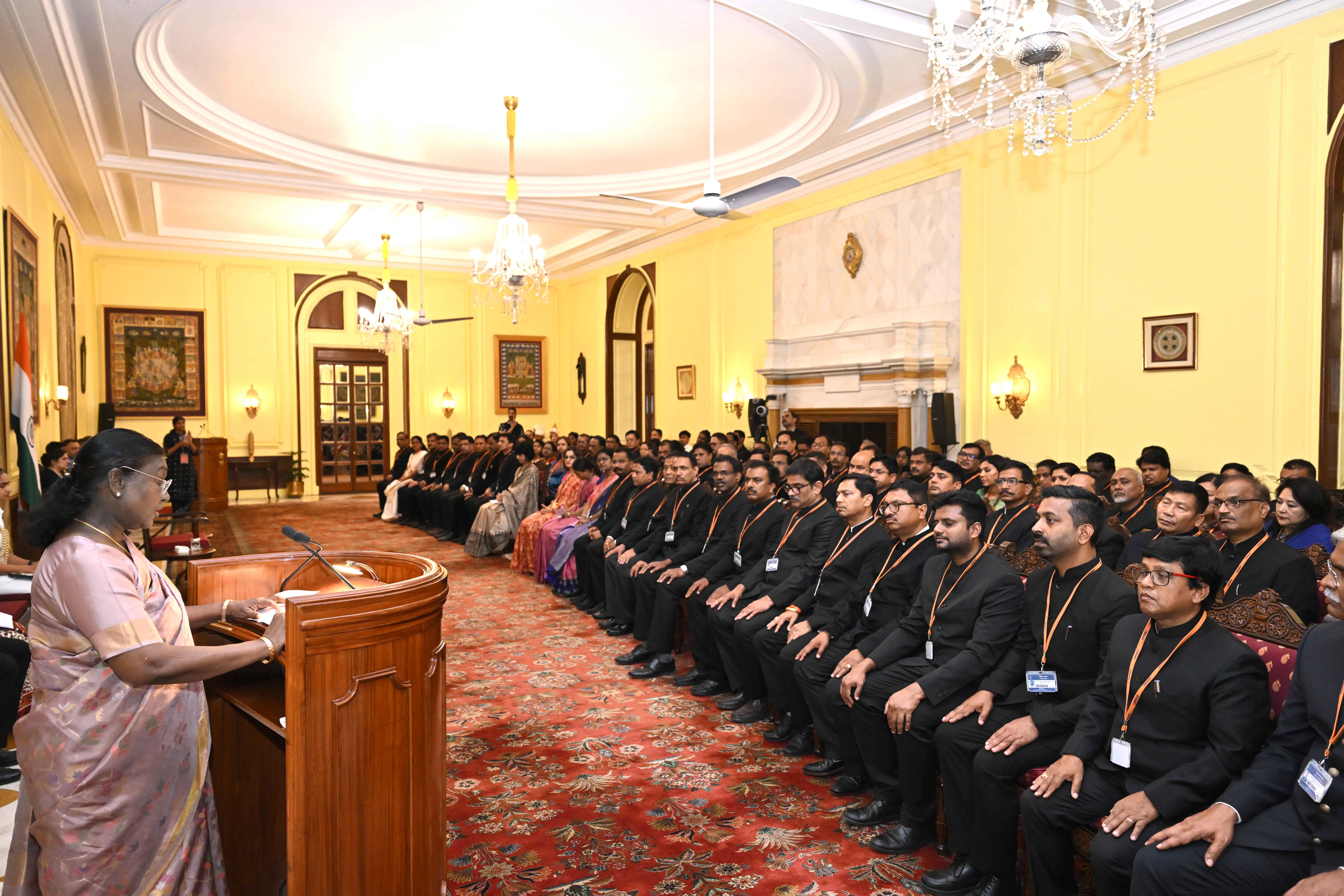
Professional learning continues after initial training. Administrative rules, technology, policies, economic conditions, and public expectations evolve over time, requiring officers to update their knowledge and adapt their approach.
Common Misunderstandings About IAS
People sometimes assume that an IAS officer has the same responsibilities regardless of posting. In reality, duties can differ substantially between field administration, state secretariats, central ministries, and specialized assignments.
Another misconception is that the examination tests only memorization. While factual knowledge is important, the selection process also evaluates analytical ability, writing skills, awareness of current affairs, judgment, and personality.
It is also useful to distinguish the service from the examination. UPSC conducts the Civil Services Examination, while IAS is one of the services for which candidates can be allocated based on their performance and other applicable factors.
Preparing for an IAS Career
Understanding the full form of IAS is easy, but preparing for the Civil Services Examination requires a long-term and organized approach. Aspirants generally begin by understanding the syllabus and examination pattern before selecting study materials.
A balanced preparation strategy can include school and university-level fundamentals, standard reference books, current affairs, answer-writing practice, mock tests, and regular revision.
Candidates should avoid relying exclusively on the number of hours studied. Consistency, understanding, revision, and the ability to apply knowledge are generally more useful than studying without a clear plan.
Aspirants should also develop an interest in subjects beyond the examination syllabus. Reading about government policies, economics, social issues, constitutional institutions, science, international affairs, and local development can improve broader administrative awareness.
Conclusion
The full form of IAS is Indian Administrative Service, a premier All India Service that contributes to administration, governance, policy implementation, and public service delivery. IAS officers can work in diverse positions at the district, state, and central levels, giving the career a broad professional scope.
Becoming an IAS officer requires qualifying through the UPSC Civil Services Examination and meeting the prescribed eligibility conditions. However, the career demands more than examination success. Leadership, integrity, communication, analytical thinking, and responsible decision-making are essential qualities for effective administration. For anyone considering civil services as a career, learning the full form of IAS should be followed by a deeper understanding of its responsibilities, examination process, career opportunities, and the commitment required to serve in India’s public administration system.