
Introduction
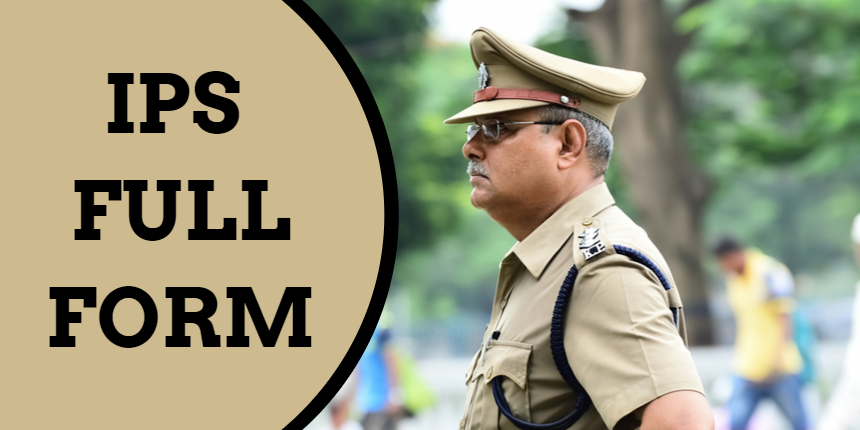
The full form of IPS is Indian Police Service. It is one of the three All India Services of India, along with the Indian Administrative Service (IAS) and Indian Forest Service (IFoS). The IPS plays an important role in maintaining law and order, preventing crime, managing public safety, and strengthening the country’s internal security system. IPS officers can serve in different positions at the district, state, and national levels and may work with organizations responsible for policing, investigation, intelligence, border security, and counterterrorism.
For many students and government-job aspirants, understanding the IPS is the first step toward exploring a career in public service. Becoming an IPS officer requires success in the Civil Services Examination conducted by the Union Public Service Commission (UPSC), followed by professional training and service allocation. The position carries significant responsibility because officers must make decisions that can directly affect public safety and administration. This article explains the meaning, responsibilities, eligibility, selection process, training, career growth, and importance of the IPS in detail.
What Is the Full Form of IPS?
The full form of IPS is Indian Police Service. It was established in its present form after independence and forms an important part of India’s administrative and policing structure. IPS officers are selected through the UPSC Civil Services Examination and are appointed to leadership roles within police departments and other security-related organizations.
Unlike a regular police recruitment position, the IPS is an All India Service. Officers may be allocated a state cadre but can also serve in central government organizations and undertake assignments across different parts of the country. Their responsibilities can range from supervising police operations and investigating serious crimes to managing large police forces and coordinating security arrangements.
The IPS is therefore not simply a designation associated with police uniforms. It represents a professional service involving administration, leadership, public relations, crisis management, investigation, and strategic security planning. Officers are expected to understand laws and procedures while also handling complex situations involving communities, institutions, and public authorities.
Role and Responsibilities of an IPS Officer
IPS officers perform a wide variety of duties depending on their rank and posting. At the district level, an officer may supervise police stations, monitor crime prevention activities, coordinate investigations, and maintain public order. At senior levels, responsibilities become broader and can involve managing entire police ranges, zones, or state-level departments.
One of the major responsibilities of an IPS officer is maintaining law and order. Officers may coordinate police arrangements during elections, festivals, protests, major public gatherings, natural disasters, and other situations where public safety requires careful planning. They may also supervise responses to serious crimes and coordinate with other government departments.
Another important responsibility is crime prevention and investigation. IPS officers can develop strategies to reduce criminal activity, improve investigation standards, strengthen police intelligence, and encourage the use of technology. Depending on their assignment, they may also work with specialized agencies dealing with organized crime, cybercrime, terrorism, economic offenses, or other security challenges.
Why Is the IPS Important?
The Indian Police Service is important because effective policing is essential for a stable society. Police organizations are responsible for protecting citizens, responding to emergencies, preventing crime, enforcing laws, and maintaining public order. IPS officers provide leadership and administrative direction to these functions.
Modern policing involves much more than traditional law enforcement. Police departments increasingly deal with cybercrime, digital fraud, organized criminal networks, misinformation, financial crimes, terrorism, and technology-related threats. This requires officers who can combine traditional policing knowledge with modern analytical and technological skills.
IPS officers also have an important role in improving public confidence in law enforcement. Professional conduct, transparent administration, efficient investigation, and responsive policing can help build stronger relationships between communities and police departments. Their leadership can influence how effectively police organizations respond to changing social and security conditions.
How to Become an IPS Officer
Candidates who want to become an IPS officer generally need to qualify through the UPSC Civil Services Examination. The examination is conducted in multiple stages and is considered one of India’s most competitive government examinations.
The first stage is the Preliminary Examination, which is primarily used as a screening examination. Candidates who qualify can appear for the Main Examination. The Main Examination includes written papers designed to assess knowledge, analytical ability, writing skills, and understanding of various subjects.
Candidates who clear the required stages are called for the Personality Test, commonly known as the interview. Final selection is based on the prescribed examination process and merit. Candidates who obtain a sufficiently high rank and meet the relevant requirements may receive IPS allocation, subject to applicable rules and vacancies.
The process requires consistent preparation rather than short-term study. Aspirants generally need to develop knowledge of current affairs, history, geography, governance, economics, society, ethics, and other subjects included in the examination syllabus.
Eligibility for IPS
The eligibility requirements for the Indian Police Service are governed by the rules of the Civil Services Examination. Generally, candidates must hold a recognized bachelor’s degree or an equivalent qualification. Candidates must also satisfy the prescribed nationality and age requirements applicable to the examination year.
There are also physical and medical standards associated with IPS selection because police service can involve demanding operational responsibilities. These standards may cover factors such as height, vision, and other physical or medical requirements. Specific requirements can vary according to the applicable rules and categories.
Because eligibility conditions can change, candidates should always check the official examination notification for the relevant year before applying. Understanding eligibility early can help aspirants plan their preparation and avoid applying without meeting mandatory requirements.
IPS Training
After selection and allocation, IPS officer trainees undergo professional training. Training is designed to prepare future officers for the practical and administrative responsibilities of policing. It generally includes classroom learning as well as physical and field-based activities.
Training covers areas such as criminal law, investigation techniques, police procedures, leadership, ethics, forensic concepts, weapons training, physical fitness, public order management, and crisis response. Trainees also gain practical exposure to police administration and field conditions.
Training is important because an officer needs more than academic knowledge to manage real-world policing challenges. Leadership, communication, decision-making, discipline, teamwork, and the ability to remain calm during difficult situations are essential qualities for successful police administration.
Career Growth in the IPS
IPS officers can progress through several ranks during their careers, depending on service rules, experience, performance, vacancies, and other applicable conditions. An officer may begin with field responsibilities and gradually move into positions involving larger geographical areas or specialized departments.
Career assignments can include roles such as Assistant Superintendent of Police, Superintendent of Police, Deputy Inspector General, Inspector General, Additional Director General, and Director General of Police. The exact career progression and responsibilities can vary between cadres and assignments.
Some officers may also receive opportunities to serve in central organizations and specialized security agencies. These assignments can expose officers to national-level challenges and specialized areas of policing. Such career diversity is one of the reasons the IPS attracts candidates interested in leadership, administration, and public service.
IPS and Modern Technology
Technology has changed the way police organizations operate. Digital records, surveillance systems, forensic technology, data analysis, communication networks, and cybercrime investigation tools have become increasingly relevant to modern policing.
IPS officers are expected to understand how technology can improve policing while ensuring that its use follows applicable laws and safeguards. Cybercrime is particularly important because criminals can operate across geographical boundaries using digital platforms. Police organizations therefore need specialized knowledge and coordination to investigate online offenses.
Technology can also support better resource management, emergency response, crime analysis, and communication. However, effective policing still depends on trained personnel, sound procedures, community cooperation, and responsible leadership. Technology works best when it supports rather than replaces professional judgment.
Skills Needed for an IPS Officer
An effective IPS officer needs a combination of intellectual, physical, administrative, and interpersonal skills. Leadership is especially important because senior officers often supervise large teams and must make decisions under pressure.
Communication skills are equally valuable. Police officers interact with citizens, government officials, media representatives, legal professionals, and other agencies. Clear communication can reduce misunderstandings and help coordinate responses during emergencies.
Decision-making, emotional stability, integrity, discipline, adaptability, and problem-solving ability are also important. Modern officers may face rapidly changing situations where incomplete information is available. The ability to assess circumstances carefully and act responsibly is therefore a major professional requirement.
Difference Between IPS and Other Civil Services
The IPS is one of India’s major civil services, but its primary focus is policing and internal security. The IAS generally has a broader administrative and policy implementation role, while the Indian Forest Service focuses on forest management and environmental administration.
There can be significant coordination between these services. For example, district administration often requires cooperation among civil administration, police, disaster-management authorities, and other departments. Each service contributes specialized expertise while working toward public welfare and effective governance.
Understanding these differences can help civil services aspirants decide which career path best matches their interests, strengths, and long-term goals. Candidates should study the responsibilities of different services before selecting their preferences during the examination process.
Challenges Faced by IPS Officers
Police leadership can be demanding because officers may have to respond to emergencies, serious crimes, public disorder, natural disasters, and security threats. They can also be required to make important decisions within limited time and under considerable pressure.
Another challenge is balancing operational requirements with public expectations and legal procedures. Police organizations must maintain discipline and security while respecting the rights and dignity of citizens. This requires strong leadership and awareness of legal and ethical responsibilities.
The nature of policing is also changing rapidly. Cybercrime, digital fraud, artificial intelligence, social media, organized crime, and emerging security threats require continuous learning. IPS officers therefore need to remain adaptable throughout their careers.
Importance of IPS for Society
The importance of the IPS extends beyond managing police departments. Effective police leadership contributes to safer communities, stronger institutions, and better implementation of law. When police organizations operate professionally and efficiently, citizens are better able to rely on public institutions during emergencies and disputes.
IPS officers also contribute to long-term improvements in policing by introducing better administrative practices, encouraging professional training, improving investigation standards, and supporting technology adoption. Their decisions can influence police performance across large areas.
For aspiring civil servants, understanding the full form of IPS is only the beginning. The service represents a demanding career that combines public responsibility with leadership and administration. Those interested in law enforcement and national security should understand both the opportunities and challenges before choosing this career path.
Frequently Asked Questions
What is the full form of IPS?
The full form of IPS is Indian Police Service. It is one of India’s All India Services and provides senior leadership within police and security administration.
How can I become an IPS officer?
Candidates generally need to qualify in the UPSC Civil Services Examination and meet the prescribed eligibility, medical, and other requirements for IPS allocation.
Is a graduation degree required for IPS?
Yes. Candidates generally need a recognized bachelor’s degree or an equivalent qualification to appear for the Civil Services Examination, subject to the applicable examination rules.
What does an IPS officer do?
An IPS officer can be responsible for law and order, crime prevention, investigation supervision, police administration, security planning, and leadership of police organizations.
Is IPS a central government service?
The IPS is an All India Service. Officers are allocated cadres and can serve under state governments as well as take up eligible central government assignments.
Conclusion
Understanding the full form of IPS provides the starting point for learning about one of India’s most important public services. The Indian Police Service combines leadership, administration, law enforcement, public safety, and national security responsibilities. IPS officers work at different levels and can contribute to policing, crime prevention, investigation, security management, and institutional development.
Becoming an IPS officer requires success in the UPSC Civil Services Examination along with meeting the applicable eligibility and medical standards. The career can be demanding, but it also offers opportunities to make a meaningful contribution to society. For students and aspirants interested in public service, learning about the examination process, responsibilities, training, and career structure can help them make informed decisions about pursuing this challenging profession.