
1. What are full form of sir in election?
The full form of SIR in election is Special Intensive Revision. It is a process used to update and verify voter lists to ensure accuracy and eliminate errors.
2. Best practices for electoral roll revision
The best approach includes door-to-door verification, digital updates, and public awareness campaigns to maintain an accurate voter database.
3. How to choose voter registration methods
Choose methods like online registration or booth-level verification depending on accessibility, accuracy needs, and local administrative efficiency.
Introduction
Have you ever wondered how voter lists stay accurate despite millions of people moving, aging, or becoming eligible to vote each year? Maintaining a clean and updated electoral roll is not a simple task—it requires continuous monitoring, verification, and structured processes. This is where the concept behind the full form of sir in election becomes highly relevant.
In democratic countries like Election Commission of India, ensuring that every eligible citizen gets the right to vote while preventing duplication or errors is crucial. Electoral rolls are the backbone of fair elections, and any discrepancy can affect the credibility of the entire system.
The process known as Special Intensive Revision (SIR) plays a key role in maintaining this integrity. It helps authorities verify voter data, remove ineligible names, and add new voters efficiently. Understanding this concept gives insight into how elections remain transparent and reliable.
Quick Summary
- SIR stands for Special Intensive Revision
- It ensures accurate and updated voter lists
- Conducted before major elections
- Helps remove duplicate and incorrect entries
What is the Full Form of SIR in Election?
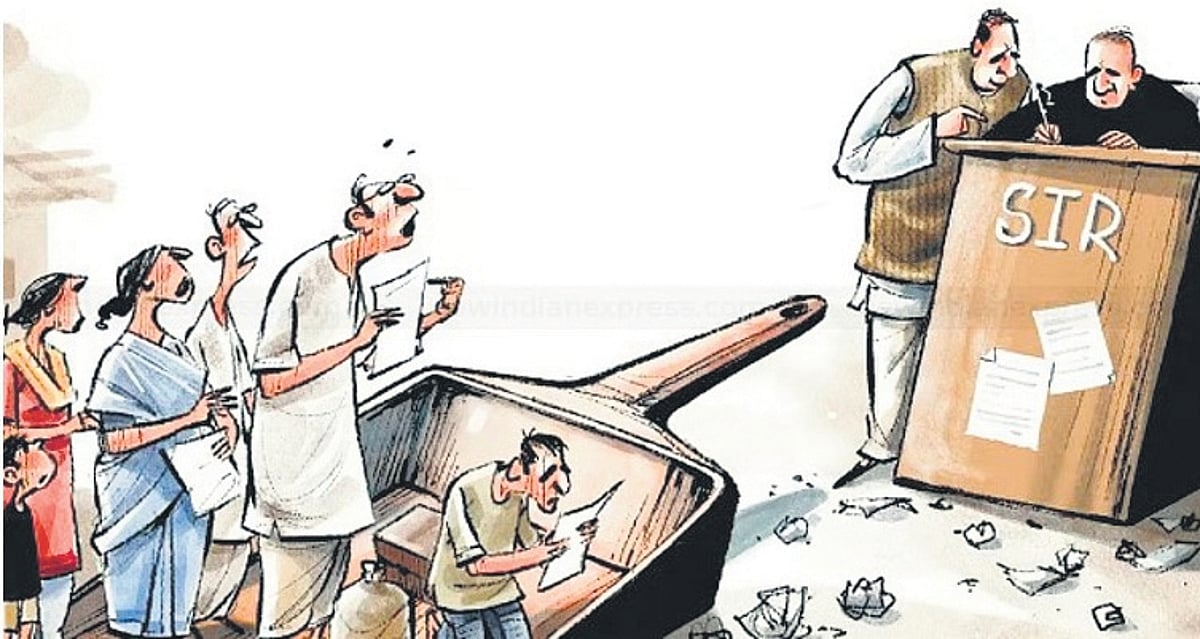
The full form of sir in election is Special Intensive Revision. It is a structured process carried out by election authorities to update and verify electoral rolls. During this revision, officials conduct field verification, collect updated data, and ensure that only eligible voters are included.
This process is especially important before major elections, such as general or state elections. It helps authorities identify duplicate entries, remove deceased voters, and include newly eligible citizens who have turned 18. By doing so, it strengthens the credibility of the electoral process.
Unlike regular updates, SIR is more detailed and involves direct interaction with voters through booth-level officers. This ensures higher accuracy compared to routine revisions.
Why Special Intensive Revision is Important
Maintaining an accurate voter list is essential for a fair democratic process. Without proper revision, electoral rolls can become outdated, leading to issues like duplicate entries or missing voters.
Special Intensive Revision ensures that every eligible citizen has the opportunity to vote while preventing fraud. It also builds public trust in the election system. According to electoral studies, even a small percentage of inaccurate data can impact election outcomes in closely contested constituencies.
Moreover, SIR improves transparency. When voters see their details correctly listed, they feel more confident about participating in elections.
How SIR Works in the Election Process
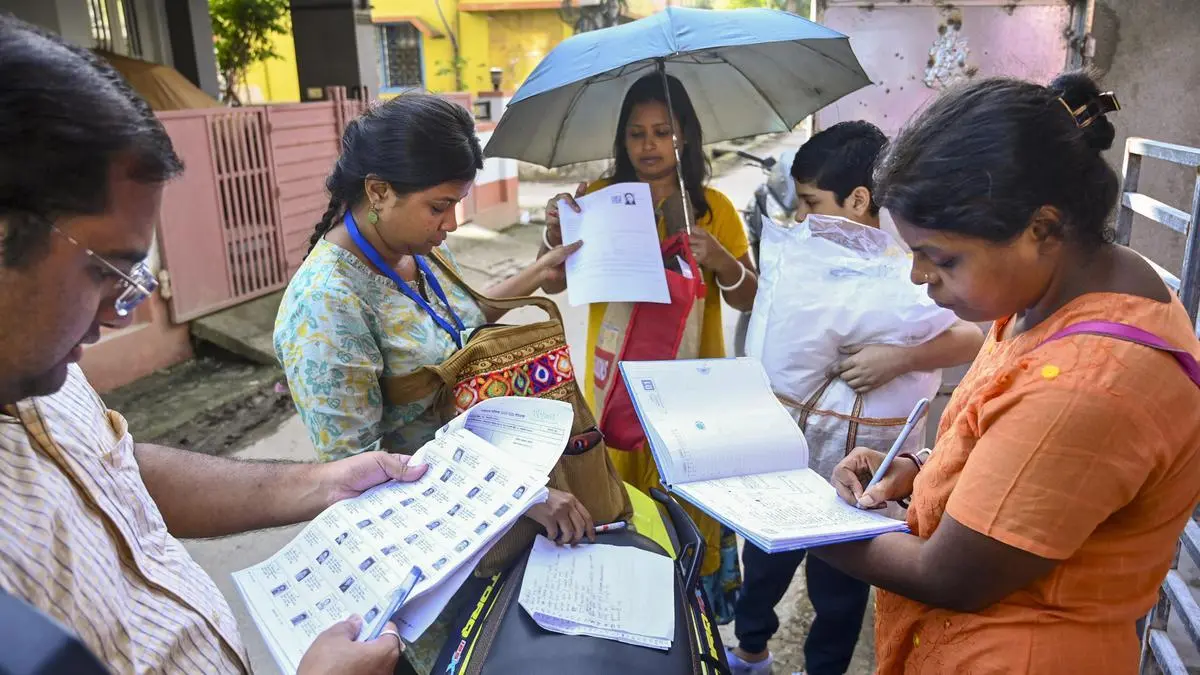
The process begins with an official announcement by the election authority. Booth-level officers (BLOs) are assigned to specific areas to conduct door-to-door verification. They collect updated information and verify existing records.
Once the data is collected, it is reviewed and updated in the electoral database. Citizens can also check their details online and submit corrections if needed. After verification, a draft electoral roll is published, allowing the public to raise objections or suggest changes.
Finally, the updated voter list is released. This ensures that the electoral roll is accurate and ready for upcoming elections. The full form of sir in election becomes particularly relevant during this phase, as it defines the entire revision framework.
Types of Electoral Roll Revisions
| Type of Revision | Description | Frequency |
|---|---|---|
| Intensive Revision | Complete verification of all voters | Rare |
| Summary Revision | Quick updates with minimal verification | Annual |
| Special Intensive Revision (SIR) | Detailed verification with field checks | Before major elections |
This table highlights how SIR stands out due to its depth and accuracy compared to other revision types.
Real-Life Example
Consider a scenario in a rapidly growing urban area. Thousands of people move in every year, while others relocate. Without proper revision, the voter list would quickly become outdated.
During SIR, officials visit households, verify identities, and update records. For example, a newly turned 18-year-old student can get registered, while a person who moved to another city gets removed. This ensures that only eligible voters remain on the list.
Such real-life applications show how the full form of sir in election directly impacts voter participation and election fairness.
Pros and Cons of SIR
Pros:
- Ensures accurate voter data
- Reduces duplication and fraud
- Increases voter confidence
- Improves election transparency
Cons:
- Time-consuming process
- Requires significant manpower
- Possibility of human error during verification
- May face logistical challenges in remote areas
Expert Tips for Understanding SIR
- Always verify your voter details during revision periods
- Use official portals for corrections
- Stay informed about revision announcements
- Keep identity documents updated
Common Mistakes to Avoid
- Ignoring voter list verification
- Providing incorrect personal details
- Missing deadlines for corrections
- Assuming your name is already included without checking
Who Should Use This Process?
Special Intensive Revision is essential for multiple stakeholders. Election authorities rely on it to maintain accurate records. Citizens benefit by ensuring their voting rights are protected. Political analysts and observers also use updated voter data to understand demographic trends.
Anyone eligible to vote should actively participate in this process. By doing so, they contribute to a fair and transparent democratic system.
FAQs
What does SIR stand for in elections?
SIR stands for Special Intensive Revision, a detailed process for updating voter lists.
Why is the full form of sir in election important?
It explains the structured method used to maintain accurate electoral rolls and ensure fair voting.
How can I check my name in the voter list?
You can check it through official election websites or by contacting local authorities.
Is SIR mandatory before every election?
Not always, but it is conducted before major elections when detailed verification is required.
What happens if my name is missing from the voter list?
You can apply for inclusion during the revision period with proper documents.
Summary Recap
Special Intensive Revision plays a vital role in maintaining the integrity of elections. It ensures that voter lists are accurate, updated, and free from errors. By involving field verification and public participation, it strengthens trust in the democratic process.
Conclusion
Understanding the full form of sir in election gives valuable insight into how electoral systems maintain fairness and transparency. It is not just a technical term but a critical process that ensures every eligible citizen gets a voice in democracy.